

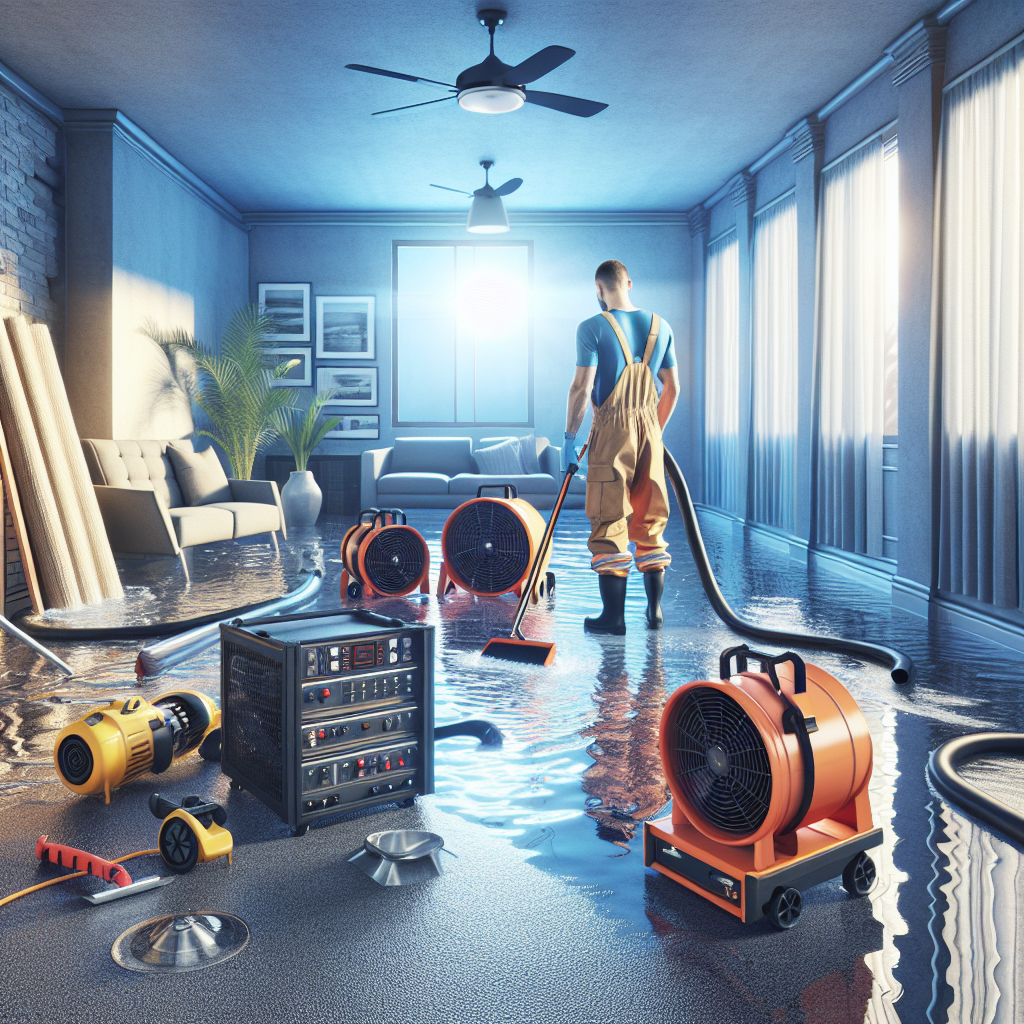
Water damage can occur when you least expect it in areas like Atlantic Beach. A sudden storm, a leaking pipe, or even an overflowing bathtub can lead to extensive damage within your home. If not addressed quickly, water damage can complicate repairs and lead to mold growth, which can pose health risks. Understanding how the water damage restoration process works is essential for homeowners and tenants alike. This ensures that any damage is minimized and that the restoration is done efficiently and effectively.
The Water Damage Restoration Process
Water damage restoration is a multi-step process aimed at diagnosing, repairing, and restoring your property. This process can be divided into several crucial stages: assessment, water extraction, drying, cleaning, and restoration. Let’s delve into each of these steps to understand how they work.
Assessment
The first step in the water damage restoration process involves assessing the damage. Professionals arrive at the site to evaluate the extent of the water intrusion. They will check for standing water, potential weak spots, and the type of water involved (clean, gray, or black). Using specialized equipment, such as moisture meters, they measure moisture levels in walls, floors, and other affected areas.
Assessing the damage accurately is vital as it helps craft a plan for the subsequent steps. Knowing whether the water is contaminated will dictate safety precautions and cleaning methods.
Water Extraction
Once the assessment is complete, the next step is water extraction. This part of the water damage restoration process is critical as the longer water remains in the affected areas, the more damage it can cause. Professionals use powerful pumps and vacuums to remove all standing water. In cases of severe flooding, this might require industrial-grade equipment that ensures thorough extraction.
This step may also require removal of damaged materials such as drywall or insulation, which can retain water and contribute to mold growth if left untreated. A quick extraction minimizes the risk of long-term damage.
Drying
Following extraction, the drying phase begins. Drying out your home after water damage is vital for preventing mold growth. Dehumidifiers and air movers are used to circulate air and remove moisture from the atmosphere. During this process, affected areas are monitored for signs of residual moisture to ensure complete drying.
Moisture Control
Professionals check moisture levels in walls and floors regularly. This is done to ensure that everything dries properly. If materials are too wet, they might need additional drying time or further treatment. Drying usually takes several days, depending on the severity of the water damage and environmental conditions.
Cleaning and Sanitizing
Once the affected areas are dry, it’s time for cleaning and sanitizing. Water damage can introduce different contaminants into your home – from dirt and debris to harmful pathogens. This step is crucial, especially in cases of gray or black water damage.
Disinfection
Professional cleaners use disinfectants and antimicrobial agents to clean surfaces. All areas that came into contact with water must be sanitized to prevent potential health risks. This could include removing and replacing certain porous materials or cleaning and treating valuables that were affected.
Here, specialized techniques may be employed, such as fogging to eliminate odors or the application of antimicrobial solutions to inhibit mold growth. Ensuring a clean and safe environment is paramount during the restoration process.
Restoration
The final phase of the water damage restoration process is the restoration stage. This phase focuses on repairing and restoring your property to its pre-damage condition. It may involve significant repairs, replacements, or construction work.
Restoration Work
Depending on the damage, restoration could involve repainting walls, laying new flooring, installing new drywall, and more. In some instances, your insurance company may cover these costs, making it vital to document all damage and repairs thoroughly throughout the process.
If items are salvageable, restoration professionals will aim to restore them rather than replace them. This could include furniture, electronics, or sentimental items that might just need cleaning or minor repairs.
Flood Cleanup Tips
If you’re faced with a flood situation, immediate action is vital. Here are some flood cleanup tips to keep in mind:
1. Ensure Safety First: Before you enter a flooded area, ensure it’s safe. Check for electrical hazards or structural damage.
2. Turn Off Utilities: If possible, turn off electricity and gas to prevent accidents while dealing with water.
3. Document Everything: Take photos of the damage for insurance claims. Documenting everything helps speed up the claims process.
4. Call Professionals: Contact a water damage restoration company immediately. Experienced professionals know how to handle water damage effectively and safely.
5. Act Quickly: The faster you start the restoration process, the better. Mold can start developing within 24 to 48 hours!
By understanding how the water damage restoration process works, you can be better prepared for any unfortunate incidents. Whether it’s a minor leak or a significant flood, ensuring you follow these steps can help you mitigate damages and restore your home efficiently.
Don’t forget that in the unfortunate event of severe water damage, professional help is always recommended. They have the experience and equipment to deal with the situation promptly and safely, ensuring your property is risk-free and as good as new.