

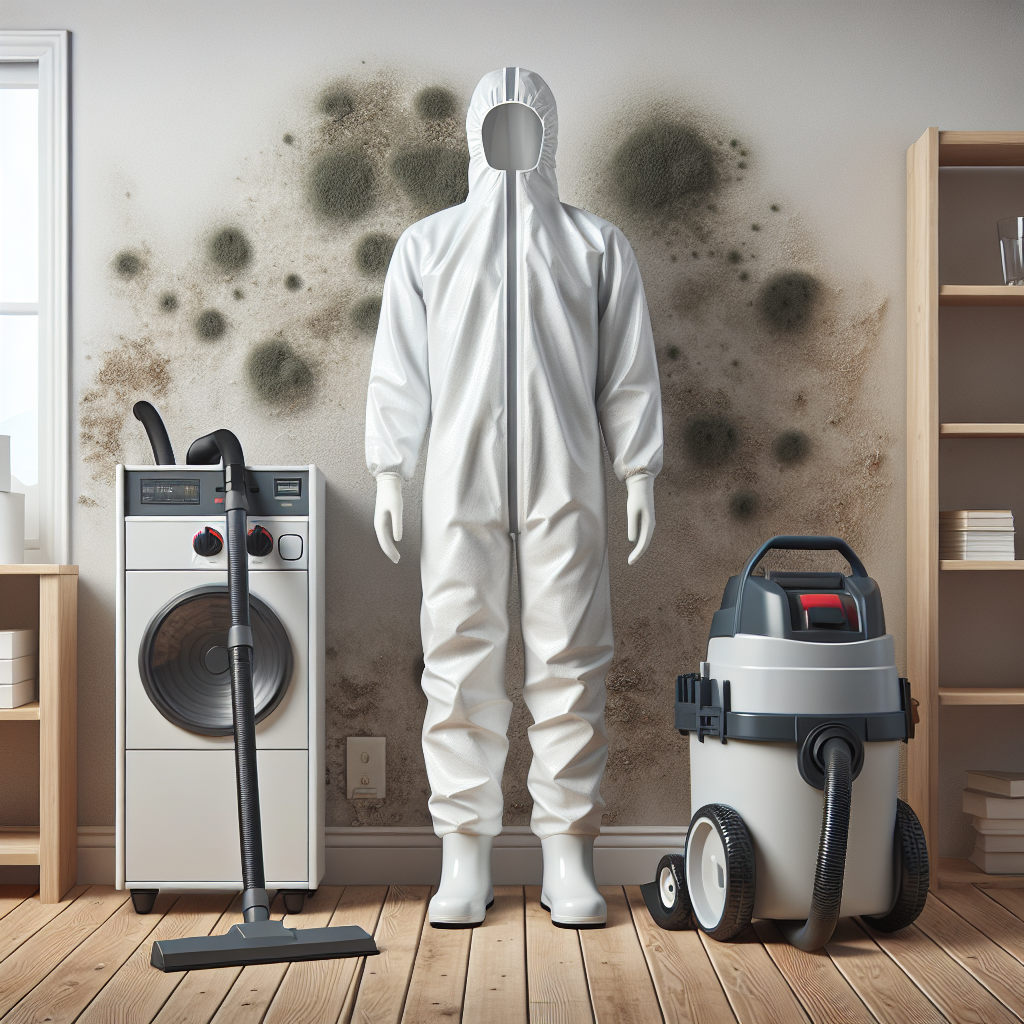
When you discover mold in your home, it can be alarming. Mold can pose health risks and cause significant damage to your property in St. Johns. Understanding what to expect during mold remediation helps you prepare for the process. Whether you’re curious about how professionals handle mold removal or want to know what you’ll need to do as a homeowner, this guide covers it all.
Mold Remediation Process Explained
The mold remediation process is comprehensive. It’s not just about removing the visible mold; it also involves addressing the underlying issues that allowed mold growth in the first place. Here’s a closer look at the steps involved in a typical mold remediation process.
Initial Inspection
The first step is the inspection. Professionals will check your property for visible signs of mold and other potential problem areas. They may also use moisture meters and thermal imaging to identify hidden mold spores. This part of the process is crucial, as it helps the team develop a tailored plan.
Containment
After identifying the mold, the next step is containment. This is a vital step to prevent the spread of mold spores to unaffected areas of your home. Professionals create barriers using polyethylene sheeting and establish negative pressure to keep mold spores contained. This helps ensure that the remediation process is focused and controlled.
Mold Removal Techniques
Once containment measures are in place, the actual mold removal can begin. This part can vary depending on the extent of the mold growth and the materials affected. Different techniques are employed for effective mold removal.
Mechanical Removal
In most cases, mold can be removed through physical methods. Professionals will often scrub surfaces with specialized cleaning agents. In some instances, if building materials are heavily contaminated, they may need to be removed entirely and disposed of safely. This includes drywall, insulation, or carpeting.
Disinfection and Cleaning
After mechanical removal, the next step is disinfecting the affected areas. This involves applying EPA-approved fungicides to kill any remaining mold spores. It’s crucial that this step is done thoroughly to prevent future growth. Cleaning can include HEPA vacuuming to remove any remaining particles.
Addressing Moisture Issues
Mold thrives in damp environments, so addressing moisture issues is essential in the remediation process. For the situation to be resolved completely, homeowners must identify and fix the underlying water source. Without this, the risk of mold recurring remains high.
Identifying Sources of Moisture
Professionals will assess plumbing leaks, roofing issues, or high humidity levels. Each of these can contribute to mold growth. Moisture problems should be documented, and plans made for repairs.
Implementing Long-term Solutions
Once moisture sources are identified, permanent solutions need to be implemented. This could involve repairing leaks, improving ventilation, and installing dehumidifiers. These steps are crucial in ensuring your home is safe from future mold outbreaks.
Final Cleanup and Restoration
Once mold has been removed and moisture issues addressed, final cleanup takes place. This is where the remediation team will ensure the area is clean, safe, and ready for use.
Restoring Affected Areas
In many cases, restoration might involve replacing flooring, repairing drywall, and painting. Restorative measures ensure your home returns to a livable state. Professionals often conduct air quality tests at this stage to confirm that mold spores are at safe levels before leaving.
Prevention Tips for Homeowners
After the mold remediation process, homeowners should take steps to prevent future mold problems. Regularly checking for leaks, maintaining proper ventilation, and controlling indoor humidity (ideally between 30-50%) can significantly reduce the risk of mold returning. Install exhaust fans in bathrooms and kitchens and use a dehumidifier in damp areas of your home.
When to Call Professionals
You might wonder when it’s time to call for professional help. While minor mold issues can sometimes be managed independently, there are situations where it’s best to seek expert assistance.
Signs You Need Professional Mold Remediation
– **Widespread Growth**: If mold covers large areas (greater than 10 square feet), it’s time to call the pros.
– **Health Concerns**: If you or your family members are experiencing unexplained allergic reactions, respiratory issues, or skin irritations, it’s essential to get a professional assessment.
– **Persistent Moisture**: If moisture issues persist despite your attempts to address them, bring in professionals for a thorough examination and remediation.
Cost of Mold Remediation
The cost of mold remediation can vary widely based on several factors, including the size of the affected area, the extent of the infestation, and the type of materials involved. On average, homeowners can expect to spend between $1,500 to $3,000. While this may seem like a significant expense, it’s reasonable considering the potential health risks and damage from mold.
Insurance Coverage
It’s worth checking with your homeowners’ insurance to see if mold remediation is covered. Some policies include mold damage, while others may not. Always clarify what your policy covers before proceeding.
Conclusion
Mold remediation is a critical process that ensures the safety and longevity of your home. By understanding the mold remediation process, addressing moisture issues, and implementing preventive measures, you can maintain a mold-free environment. Remember, when in doubt, it’s best to reach out to professionals who can guide you through the remediation process effectively.
Taking these steps evolves your home into a safer haven for you and your loved ones.