

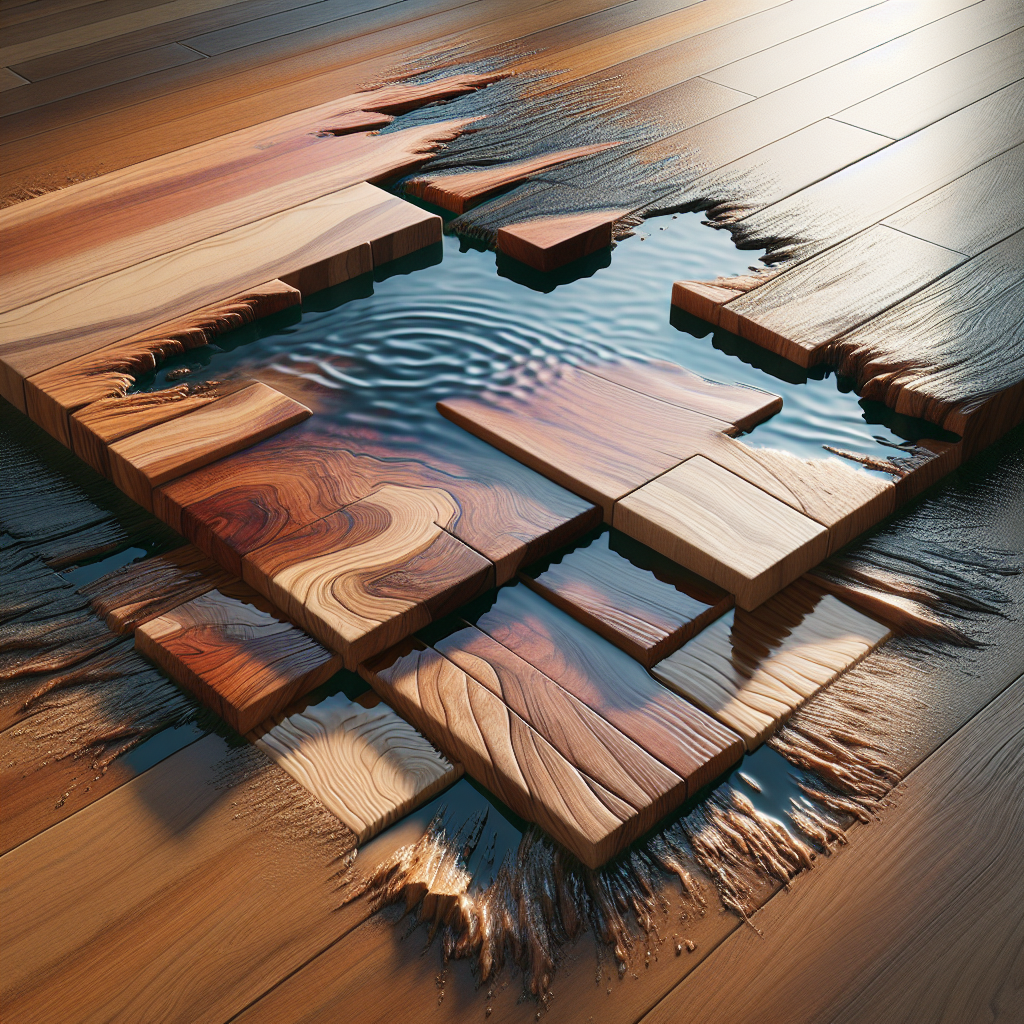
Water damage is a Jacksonville beach homeowner’s nightmare. The thought of soggy carpets, warped wood floors, and mold lurking beneath the surface can send shivers down anyone’s spine. Yet, water damage can happen to anyone, at any time. It could be due to a leaky pipe, flooding, or even a small accident like a spilled drink. Understanding how water damage affects flooring materials is essential for effective water cleanup and restoration. This blog post will dive deep into the ramifications water damage can have on various flooring types, how to manage cleanup and restoration processes, and tips for prevention and maintenance to keep your floors safe from potential water damage.
Understanding the Impact of Water Damage on Flooring Materials
When it comes to flooring materials, not all are created equal. Different types respond uniquely to water damage, and knowing these differences is crucial for effective treatment and restoration.
Hardwood Floors
Hardwood floors are known for their beauty and durability. However, they are also highly susceptible to water damage. When water seeps into the seams or saturates the boards, it can cause the wood to swell, buckle, or warp. The damage isn’t always immediately visible, either. Sometimes, the warping may only become apparent weeks after the initial exposure to water. Your first instinct might be to dry the floor quickly, but this can sometimes lead to further damage. Using fans or dehumidifiers can help, but if the water has penetrated deeply into the wood, professional treatment may be necessary. In severe cases, replacing sections of the hardwood may be the only solution.
Carpet
Carpets offer a cozy feel underfoot, but when they’re drenched, they can quickly turn into a breeding ground for mold. The fibers can retain moisture, leading to unpleasant odors and potential health risks. If water damage occurs, quick action is crucial. This might involve removing saturated pads and ensuring carpets are thoroughly dried. In some situations, professional water cleanup may be required to eliminate all traces of moisture and prevent mold from taking hold.
Water Damage in Different Flooring Types
Let’s take a closer look at several common flooring materials and their responses to water damage.
Tile and Stone
Tile and stone floors are generally more resistant to water damage compared to hardwood or carpet. However, water can still seep into the grout and underlayment, which might lead to mold growth or other issues. Regular sealing can help protect these floors, but if they become saturated, prompt cleanup is essential. If water gets trapped under tile or stone, it can compromise the adhesive used and weaken the bond, leading to cracking or shifting. Removing the affected tiles in severe cases may be necessary to allow for proper drying.
Laminates and Vinyl
Laminate flooring, while budget-friendly and stylish, is not as water-resistant as many would hope. When exposed to significant moisture, laminate flooring can swell and warp, leading to irreversible damage. The layers within laminate can separate, rendering the floor uneven. Vinyl, on the other hand, can handle spills better. However, prolonged exposure to water can lead to lifting at the seams and can damage the adhesive. Ensuring any water that spills on these surfaces is cleaned up immediately is crucial to prolonging their lifespan.
Effective Water Cleanup Strategies
Once water damage occurs, the next step is effective cleanup. Understanding the proper methods to restore your flooring can save you from costly repairs and replacements.
Initial Assessment
Start by assessing the extent of the damage. Is it a small spill, or has a pipe burst? Depending on the severity, you may need to call professionals immediately. For minor incidents, you might have the tools necessary to perform a clean-up yourself.
Remove Water
If you find yourself dealing with a flooded area, remove as much water as possible. Wet vacuums and pumps can be highly effective for larger spills. For smaller messes, towels and mops should suffice. The key is to act quickly!
Drying is Key
Drying out the affected area is the most crucial step in preventing further damage. Use fans and dehumidifiers to eliminate moisture effectively. Allow proper airflow around the affected surfaces. Open windows and increase ventilation. If water damage has affected carpets or padding, consider using specialized equipment to dry them thoroughly. If the water exposure was extensive, removing these materials may be necessary.
Disinfect and Deodorize
After the area has dried, disinfecting the floors is essential to eliminate bacteria and prevent mold growth. Use vinegar solutions or products specifically designed for flooring clean-up. Also, consider odor neutralizers if mold smells are lingering.
Preventing Future Water Damage
While accidents happen, there are proactive measures you can take to prevent water damage from occurring in the first place.
Regular Inspections
Regular inspections of your plumbing can help catch potential leaks early. Look for discoloration or damp patches on walls and ceilings, which can indicate a plumbing issue. If you spot any problems, call a professional. Regular maintenance can save you time and money by catching significant issues before they escalate.
Invest in Waterproofing
For areas prone to water, such as basements, consider waterproofing solutions. These can include installing drainage systems or using waterproof membranes on floors and walls. Investing in good waterproof materials at the onset can save you significant headache down the line.
Act on Small Issues Immediately
If you notice a minor spill or a slow leak, address it promptly instead of ignoring it. Water damages can escalate quickly, so staying vigilant and proactive pays off.
Conclusion
Water damage can have a devastating impact on your floors. Understanding how different flooring materials react to moisture is critical for prevention, cleanup, and restoration processes. Whether you have hardwood, carpet, vinyl, or tile, the effects of water can vary significantly. Acting quickly when accidents occur and implementing preventive measures can help mitigate these effects. In the end, safeguarding your flooring from water damage requires both knowledge and preparedness. Being informed means your floors can remain beautiful and structurally sound for years to come.