

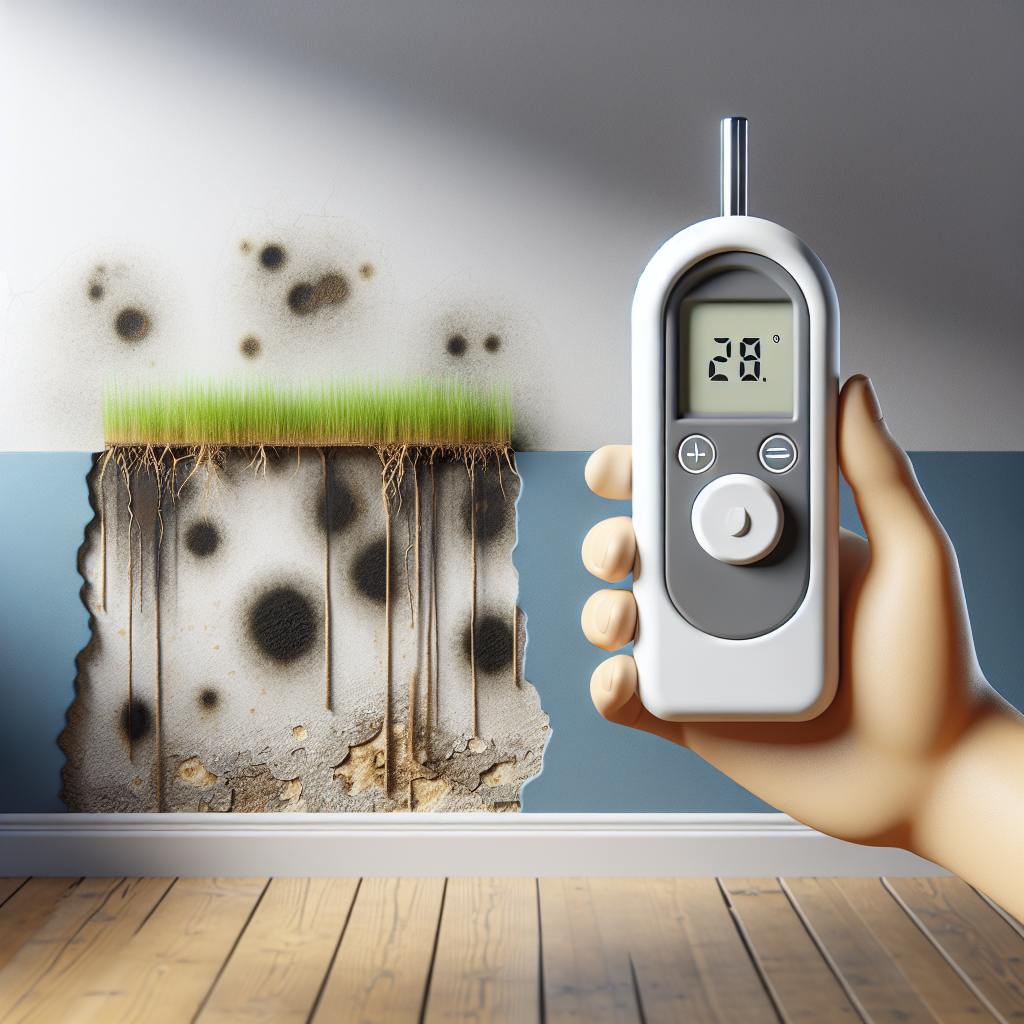
Understanding the relationship between moisture and mold growth is vital for maintaining a healthy living environment in Jacksonville beach. Mold can pose serious health risks and compromise the structural integrity of homes and buildings. Homeowners and property managers often overlook how crucial moisture detection systems are in preventing mold development. By identifying moisture levels accurately and early, it is possible to implement effective mold prevention strategies. Let’s explore how moisture detection plays a pivotal role in stopping mold before it starts.
What is Moisture Detection?
Moisture detection refers to the techniques and devices used to identify the presence of water in building materials or the air. These methods can vary from simple visual inspections to sophisticated electronic devices that measure moisture levels. Early detection can mean the difference between a small repair and a larger, more expensive issue, including harmful mold colonies.
Why is it Important?
Understanding moisture levels in your property is essential. It can help not only in mold prevention but also in protecting your investment. High humidity areas, leaky pipes, or inadequate ventilation can lead to excessive moisture buildup. Without effective moisture detection, these threats can go unnoticed, leading to extensive damage and mold growth.
How Moisture Detection Works
The latest moisture detection technologies include both non-invasive and invasive methods.
Non-Invasive Methods
Non-invasive moisture meters use electromagnetic fields or capacitance to gauge moisture levels without damaging materials. These devices can quickly scan walls, ceilings, and floors, identifying areas where moisture may be an issue. They are ideal for early detection, allowing for proactive measures before mold can develop.
Invasive Methods
Invasive moisture detection involves taking samples from materials to measure moisture content directly. While these methods can provide more accurate and detailed data, they often require cutting into materials, making them less favorable for simple inspections.
The Mold-Moisture Connection
Mold requires specific conditions to thrive: moisture, food, and the right temperature. Many common building materials, such as wood, drywall, and carpeting, provide ample food for mold. When moisture levels exceed 60% relative humidity, mold spores can germinate and propagate rapidly. Thus, monitoring moisture levels is key in the strategy for mold prevention.
How Fast Does Mold Grow?
Did you know that mold can start to grow just 24 to 48 hours after moisture exposure? This rapid development makes it even more crucial to detect moisture promptly. Early moisture detection gives you a fighting chance against mold, allowing you to address leaks, reduce humidity, and maintain a clean environment.
Implementing Moisture Detection for Mold Prevention
To effectively prevent mold, incorporating moisture detection into your regular maintenance routine is essential. Here are some practical steps to consider:
Install Sensors
Consider installing moisture sensors in high-risk areas, such as basements, attics, and bathrooms. These sensors can alert you when humidity levels exceed a safe threshold, enabling rapid response to any moisture issues. With technology advancements, some sensors can also connect to smartphones or home automation systems for added convenience.
Routine Inspections
Regularly inspect your property for signs of moisture accumulation. Look for water stains, condensation, or musty odors—all indicators of potential moisture problems. Using handheld moisture meters or hiring professionals for deeper inspections can help identify hidden moisture sources.
Addressing Identified Moisture Issues
Once moisture is detected, swift action is needed to prevent mold growth. Ignoring wet spots or high humidity levels can lead to bigger problems down the road. Here’s what to do when you detect moisture:
Fix Leaks Promptly
If you discover leaks from plumbing, roofs, or windows, repair them immediately. Mold doesn’t wait for repairs, and every moment counts.
Ventilation is Key
Ensure proper ventilation in your home, particularly in areas prone to humidity, like bathrooms and kitchens. Utilizing exhaust fans and keeping windows open when the weather permits can help dissipate moisture quickly.
Use Dehumidifiers
In particularly humid environments, deploying dehumidifiers can help maintain optimal moisture levels. Aim for indoor humidity levels between 30-50% to discourage mold growth.
Choosing the Right Moisture Detection Tools
When selecting moisture detection tools, consider your specific needs. Would you benefit more from non-invasive methods for quick checks, or do you need in-depth analysis provided by invasive techniques? Here are a few options:
Moisture Meters
Moisture meters are essential for any property owner. They come in various forms, both digital and analog, and range in price from affordable handheld units to advanced professional-grade devices.
Thermal Imaging Cameras
For a more high-tech approach, thermal imaging cameras can provide a visual representation of moisture issues. These cameras detect temperature fluctuations, highlighting areas where moisture may be present without any physical contact.
Educating Yourself and Your Family
Education plays a crucial role in mold prevention. Familiarize yourself and your family with the signs of moisture problems. Encourage everyone to report any leaks or unusual humidity levels. The more vigilant you are, the more proactive you can be in safeguarding your home.
Engage Professionals When Necessary
Sometimes, identifying moisture sources and preventing mold requires professional insight. If mold is already present, hiring a mold remediation expert can help ensure safe removal and restoration. Regular inspections by qualified professionals can also save you money in the long run.
Conclusion
Moisture detection should be an integral part of any mold prevention strategy. By understanding how moisture contributes to mold growth and employing effective detection methods, you can protect your home and health. Don’t wait for the problem to escalate; equip yourself with the right tools, stay vigilant, and maintain a moisture-free environment. Remember that the battle against mold begins long before mold spores can take root, and moisture detection is your first line of defense.