

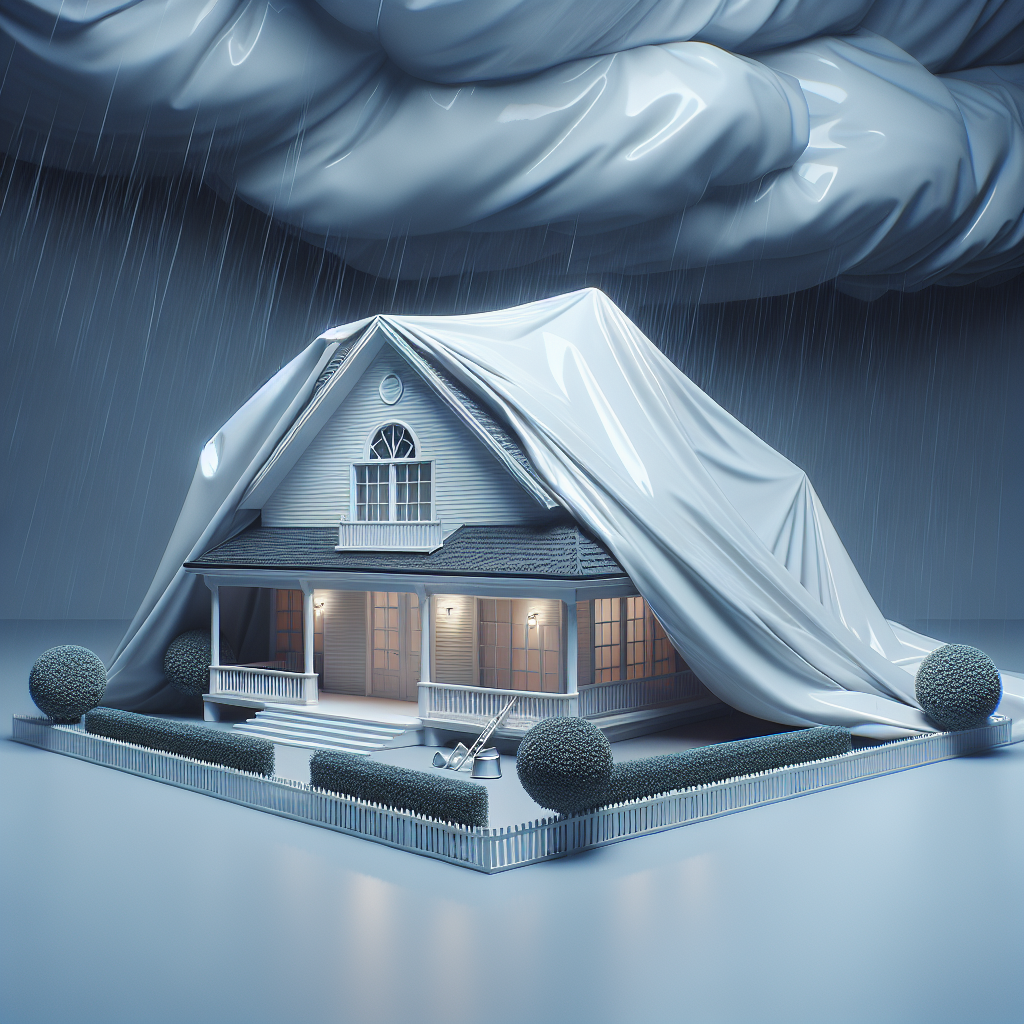
When storms strike, they can leave a path of destruction in their wake. The primary concerns for homeowners in Jacksonville beach after a storm are safety, securing their property, and minimizing damage. One effective measure to protect your home quickly is through the use of tarps. Whether it’s a roof, windows, or any vulnerable spot, a storm tarp-over can serve as an immediate barrier against further damage. In this post, we will explore the necessity of storm damage prevention and how a tarp-over combined with emergency board-up can save your property from additional troubles.
Understanding Storm Damage
Storm damage can take many forms, including wind, hail, rain, and flooding. Each of these elements can damage your home significantly. Roofs are especially susceptible to high winds, which can lift shingles or cause complete destruction. Similarly, windows can shatter from flying debris or extreme pressure changes, leading to leaks in your home’s interior. Identifying the type and extent of damage is crucial in figuring out your next steps.
Types of Storm Damage
– Wind Damage: Strong winds can tear off roofing, bend trees, and uproot power lines.
– Water Damage: Heavy rains can lead to leaks, flooding, and structural damage to basements and other areas.
– Impact Damage: Hail and flying debris can break windows and dent siding.
– Flooding: In extreme cases, intense rainfall can lead to major flooding, devastating homes in low-lying areas.
Understanding these risks helps homeowners prepare better for storms and take immediate action after having faced damage. After a storm, the focus needs to shift to emergency repairs to prevent further issues.
The Importance of Emergency Board-Up
Once the storm has passed, it’s vital to board up any openings in your house. Whether due to broken windows, missing shingles, or gaping holes in your walls, boarding up is an essential step in protecting your property. Emergency board-up involved securing these openings with plywood or similar materials to prevent intrusions by weather or wildlife.
Why Board-Up Immediately?
– Prevent Additional Water Damage: Openings in your home can lead to increased water damage, especially during subsequent rain or storms.
– Discourage Trespassers: Unsecured homes can attract looters or unwanted guests. Boarding up deters potential criminal activity.
– Insurance Compliance: Many insurance policies require that homeowners take reasonable steps to prevent further damage after an event. Failing to board up could have consequences during claims processing.
Quickly getting your home boarded up can significantly affect how much additional damage occurs and how quickly you can recover.
Implementing a Storm Tarp-Over
Once your home is checked for safety and emergency board-up is in place, a storm tarp-over is the next logical step. This method involves covering damaged areas with durable tarps to protect against further weather exposure while more permanent repairs are scheduled.
Benefits of a Tarp-Over
1. Rapid Protection: Unlike full repairs, a tarp can be put in place in a matter of minutes, offering immediate coverage.
2. Cost-Effective: Tarps are usually inexpensive, making them a budget-friendly option for temporary protection.
3. Flexible Application: Tarps can cover a variety of damaged areas, from roofs to windows, preventing leaks and further wear.
4. Reusability: Quality tarps can be used in future emergencies or for different purposes around your property.
Applying a tarp is not just about throwing one over the damaged area. Proper techniques exist to ensure the tarp stays in place.
How to Properly Apply a Tarp
The correct application of a storm tarp-over can make all the difference. Follow these steps for effective installation:
1. Assess the Damage: Identify the areas that need coverage.
2. Choose the Right Size: Make sure the tarp is large enough to cover and extend well beyond the damaged area.
3. Secure the Edges: Use roofing nails or heavy-duty tape to keep the tarp in place. Ensure that it is tight enough to withstand wind but loose enough to allow rainwater to run off.
4. Add Weight: Heavy objects, like bricks or stones, can be placed at the edges of the tarp to prevent it from blowing away.
5. Check Regularly: After a storm, ensure the tarp remains secure and replace it if necessary until permanent repairs can be made.
Long-Term Repair and Restoration
While storm tarp-over and emergency board-up can secure your home immediately, long-term solutions are just as essential. Contacting a professional contractor can help in assessing the damages and planning thorough repairs.
Choosing the Right Professionals
– Look for licensed and insured contractors with experience in storm damage restoration.
– Check their references, past work, and online reviews.
– Discuss your specific issues and see how they plan to address them.
Being proactive can save you time and money down the line, ensuring your home is safe and secure against future storms.
Preventing Future Storm Damage
Once you manage the current storm’s aftermath, it’s crucial to think about prevention. Consider these steps to protect your home from future storms:
– Roof Maintenance: Regularly inspect and maintain your roof to ensure it’s in good condition.
– Clear Gutters and Drains: Keeping these clear helps minimize water damage.
– Landscape Wisely: Trim trees and adaptable landscaping can lessen damage from falling branches.
– Insurance Assessment: Review and, if necessary, update your homeowner’s insurance to ensure adequate coverage against storm damage.
As storms can strike at any time, preparedness is key. Having a well-thought-out plan can save you headaches in the future.
Conclusion
Storm damage is an unavoidable reality for many homeowners. However, taking immediate steps like applying a storm tarp-over and implementing emergency board-up can mitigate damage and ensure a quicker recovery. Protecting your home doesn’t just involve the immediate measures following a storm—it extends to long-term planning and maintenance.
With the right tools, resources, and professionals for guidance, you can effectively safeguard your property against the unpredictable nature of storms. Don’t let one storm dictate your home’s future; stay informed and prepared!