

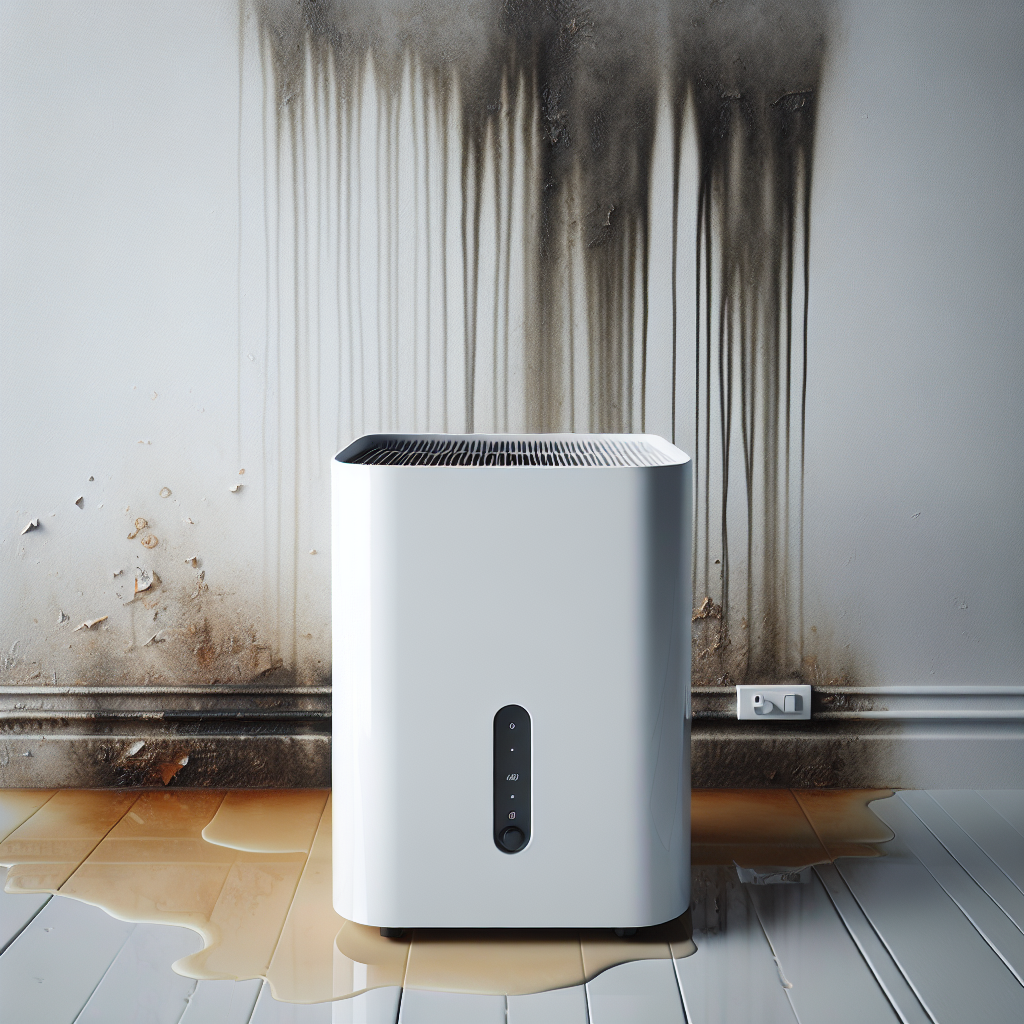
Water damage in homes can create a plethora of issues, both immediate and long-term. Whether due to a burst pipe, heavy rainfall, or a roof leak, the aftermath often leaves behind excess moisture that can lead to secondary damage if not addressed promptly. In Atlantic beach, one of the most crucial steps in managing water damage is dehumidification. This process not only ensures a swift return to pre-damage conditions but also helps prevent mold growth and structural damage.
The Role of Dehumidification After Water Damage
Dehumidification is the process of reducing humidity levels in the air. After experiencing water damage, this step is essential for several reasons. High humidity can lead to mold and mildew, which thrive in damp environments. Mold can cause health issues for occupants and may ruin the structure of your home.
Understanding Humidity Levels
When water infiltrates your home, it raises humidity levels significantly. The ideal indoor humidity should be between 30-50%. Anything above these levels fosters an environment conducive to the growth of mold and other pathogens. By utilizing dehumidification techniques, homeowners can ensure their environments remain safe and healthy during the restoration phase.
Immediate Actions: Water Removal and Dehumidification
The first step in addressing water damage is effective water removal. This step might require professional help, especially in cases of significant flooding or structural concerns. Once the water has been removed, dehumidification becomes the next priority. Relying solely on air circulation may not be enough to combat high humidity levels post-water damage. That’s where dehumidifiers come into play.
Types of Dehumidifiers
There are various types of dehumidifiers available, each catering to different spaces and needs:
1. Refrigerant Dehumidifiers: Commonly used in residential settings. They work well in moderate climates and efficiently pull moisture from the air.
2. Desiccant Dehumidifiers: These units use chemical absorbents to remove humidity. They are ideal for colder environments where refrigerant models may lose efficiency.
3. Whole-House Dehumidifiers: These systems integrate with your HVAC system and help maintain consistent humidity levels throughout the entire house.
Choosing the right dehumidifier can make a significant difference in how quickly your home recovers from water damage.
Why Rapid Dehumidification is Essential
Time is of the essence when dealing with water damage. The longer moisture lingers, the more damage it can cause. Rapid dehumidification can save homeowners from extensive repairs and high costs associated with mold remediation and structural damage.
Preventing Mold Growth
Mold can begin to develop within 24 to 48 hours after water exposure. It can be particularly insidious and can grow in hidden areas, such as under carpets or within walls. By initiating dehumidification immediately, homeowners can lower the humidity levels, making it unfavorable for mold spores to thrive. This step is paramount in maintaining a safe and healthy living environment.
The Process of Dehumidification
Effective dehumidification involves a series of steps, from initial water extraction to ongoing monitoring of humidity levels. Here’s how it usually unfolds:
1. Inspection: A thorough examination of the impacted areas to determine the extent of the damage and moisture.
2. Water Removal: Utilizing pumps and vacuums to extract standing water. This step is critical and should be done quickly to minimize lasting damage.
3. Dehumidifying: Setting up dehumidifiers to reduce the moisture content in the air. In some cases, this may include using air movers to improve air circulation.
4. Monitoring: Continually assessing humidity levels to ensure they drop to a safe range, which can take several days, depending on the severity of the water exposure.
Maintaining Your Home Post-Dehumidification
Once your home has undergone dehumidification and drying, it’s essential to take preventive measures to avoid future incidents. Regular maintenance of gutters, plumbing, and your home’s exterior can significantly reduce the risk of water penetration. Additionally, consider installing a whole-house dehumidifier if you reside in a humid climate.
Conclusion
Dehumidification after water damage is a vital step in restoring your home to its original condition. It involves not only removing the standing water but also addressing the humidity levels in the aftermath. Effective dehumidification mitigates the risk of mold growth and preserves the structural integrity of your home, making it a necessary component of any water damage restoration process.
Neglecting this step can lead to significant health and financial consequences. Homeowners should prioritize professional assistance to ensure that the job is completed effectively. Remember, quick action can save your home. When dealing with water damage, dehumidification is not just an option; it is essential for peace of mind and the long-term health of your home.