
Water damage can be one of the most distressing experiences for homeowners and business owners alike. Whether it’s a result of a natural disaster, plumbing leaks, or even a small appliance malfunction, the aftermath of water damage can be overwhelming. For property owners in Atlantic Beach, the impact can feel especially challenging. While immediate water removal is critical, an equally important aspect often gets overlooked: dehumidification. Proper dehumidification not only helps in restoring your space but also prevents further issues down the line.
Understanding Water Damage
Water damage is categorized into various classes and types. Class 1, for example, involves minimal moisture in a controlled area, while Class 4 indicates severe saturation requiring specialized drying techniques. Understanding the nature of the water (clean, gray, or black) also impacts the approach toward remediation. It’s crucial to identify the extent of water damage to plan for effective water removal as well as dehumidification.
The Immediate Effects of Water Damage
Initially, water damage may lead to structural damage, including weakened foundations, warped floors, and compromised walls. In addition to tangible damage, there are also health concerns associated with water exposure. Mold and mildew thrive in damp environments, posing risks to respiratory health and general well-being. Therefore, addressing both the water damage and the humidity levels is vital to protect your home and loved ones.
The Role of Dehumidification
Dehumidification is often misunderstood. Many think that if a space looks dry after a flood, it is safe. This misconception can be dangerous. Dehumidification specifically refers to the process of reducing moisture in the air. It is different from simple drying. Why is this distinction important? When water isn’t completely removed, moisture lingers in the air. This environment is perfect for mold growth, which can settle into walls, carpets, and other materials.
How Dehumidification Works
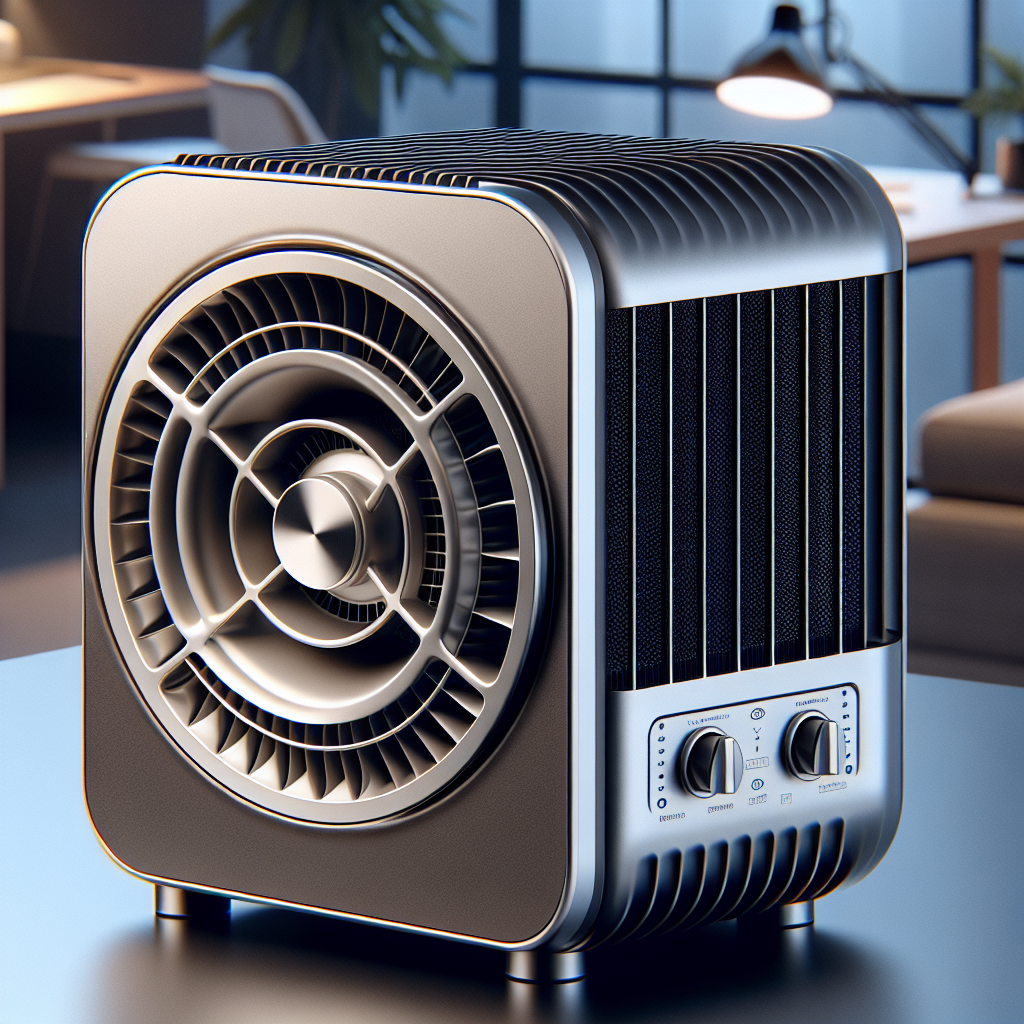
There are several methods to dehumidify a space, including using commercial-grade dehumidifiers, air movers, and HVAC systems. Commercial dehumidifiers are designed to extract a significant amount of moisture quickly, making them ideal for post-water damage recovery. Air movers help to circulate air, speeding up the evaporation process, while HVAC systems can adjust indoor humidity levels, depending on their settings. Together, these techniques ensure effective moisture control.
Why Dehumidification is Essential After Water Removal
Once the water removal process is complete, you can’t just sit back and relax. Dehumidification plays an integral role in ensuring that your property is truly dried out. Ignoring humidity control can lead to long-term damage. Here’s why:
Preventing Mold Growth
Mold spores are constantly in the air, waiting for the right conditions to thrive. High humidity levels—especially those above 60%—provide an ideal breeding ground for mold. Dehumidification helps keep humidity levels in check, preventing mold from getting a foothold in your space. The process must be ongoing until moisture levels drop to safe limits, ideally between 30-50%.
Avoiding Structural Damage
Excessive moisture can weaken building materials over time. Wood can rot, drywall can warp, and insulation can lose effectiveness. Timely dehumidification protects your investment by preserving the structural integrity of your property. It’s not just about drying things out; it’s about preventing future headaches.
Choosing the Right Dehumidification Solutions
When dealing with water damage, the effectiveness of your dehumidification efforts heavily depends on selecting the right tools for the job.
Types of Dehumidifiers
There are two main types of dehumidifiers: refrigerant and desiccant. Refrigerant dehumidifiers work best in warm and humid conditions; they essentially function like air conditioners by cooling air and condensing moisture into water. On the other hand, desiccant dehumidifiers utilize chemicals that absorb moisture; they excel in colder conditions. Understanding the type required for your environment is crucial for optimal results.
Professional vs. DIY Dehumidification
While some homeowners may consider dehumidifying their spaces using consumer-grade products, the truth is that professional services have the expertise and equipment necessary to do it right. Professional restoration services not only bring high-grade dehumidifiers but also monitor the humidity levels and adjust tactics as needed. Missteps during dehumidification can lead to further damage, needless repairs, and potentially hazardous conditions.
The Process of Dehumidification
The dehumidification process can be broken down into several key steps:
1. Assessment of Damage
Before any work begins, professionals conduct a thorough evaluation to determine the extent of water damage and the corresponding humidity levels. This assessment informs the strategy moving forward.
2. Water Extraction
Next comes the removal of standing water, if any is present. Powerful extraction machines handle this quickly. Successful water removal is crucial, as lingering water complicates the dehumidification process.
3. Setup of Dehumidifiers and Air Movers
After water extraction, specialized dehumidifiers and air movers are strategically placed throughout the affected areas. This equipment works together to remove moisture from the air and surfaces.
4. Monitoring Progress
Monitoring is an ongoing process. Restoration professionals regularly check the humidity levels to ensure they are falling to appropriate thresholds. Once the levels are acceptable, the team can conclude that the space is ready for normal use once more.
Post-Dehumidification Care
Even after a successful dehumidification process, it is wise to stay vigilant to prevent any recurrence of humidity issues. Here are a few tips:
Regular Inspections
Conduct regular evaluations of your infrastructure. Look for signs of moisture or water intrusion. Early detection is key to preventing major problems.
Maintain Proper Ventilation
Ensure that your home or business has proper ventilation. Good airflow helps mitigate excess humidity, and exhaust fans in bathrooms and kitchens can be particularly beneficial.
Conclusion
Dehumidification is not just an afterthought; it’s a vital component of the recovery process following water damage. By addressing humidity through effective dehumidification methods, you can save your property from costly repairs and health hazards linked to mold growth. Investing in professional services ensures that the job is done correctly, giving you peace of mind and a dry, safe environment.
Proper dehumidification after water removal creates a healthier living space. Be proactive, not reactive. Don’t underestimate the importance of this step.
Remember, your home deserves the best care, especially after experiencing water damage. Stay informed, and don’t hesitate to reach out for professional help when needed.