

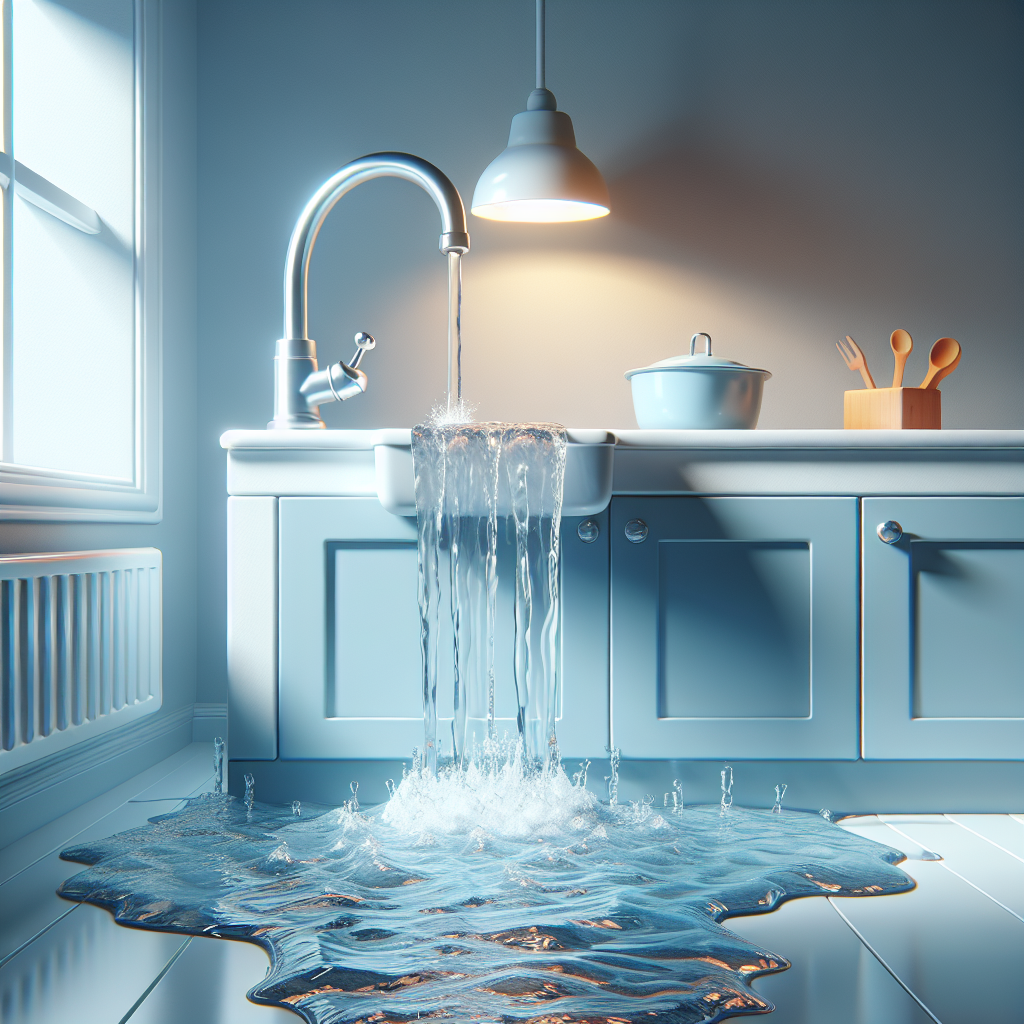
Water damage is one of the most significant hazards a Ponte Vedra beach homeowner can face. From broken pipes to roof leaks, it can lead to costly repairs and health risks. Understanding the top causes of water damage and how to prevent them is essential for every homeowner. With the right knowledge, you can protect your property and ensure a safe living environment for you and your family. Let’s explore the factors contributing to water damage and the effective measures to mitigate them.
Understanding Water Damage
Water damage occurs when unwanted moisture enters your home due to various causes, often leading to deterioration or destruction of materials and structural integrity. It can manifest in many ways, including flooding, mold growth, and mildew, and it often demands professional water damage restoration and cleanup services.
Common Causes of Water Damage
While water damage can stem from numerous sources, recognizing the most common culprits can help you prevent potential disasters. Here are some of the leading causes:
1. Leaking Pipes
Leaky or burst pipes are among the most frequent causes of indoor water damage. Aging, corrosion, or freezing temperatures can weaken pipes, resulting in leaks. Small drips can go unnoticed for long periods but can accumulate and lead to significant issues such as mold growth or structural damage.
2. Roof Leaks
A compromised roof can allow rainwater to infiltrate your home. Cracked shingles, worn-out flashing, or clogged gutters can lead to leaks. If left unchecked, roof leaks can cause extensive damage to ceilings, walls, and insulation, making prompt roof inspections and repairs crucial.
3. Flooding
Natural disasters like heavy rainstorms, hurricanes, or melting snow can cause rivers to overflow, leading to flooding. While you may not be able to control the weather, understanding your local flood risk enables you to take preventive measures, such as elevating important appliances and utilizing flood barriers.
4. Appliance Failures
Household appliances such as washing machines, dishwashers, and water heaters can develop faults and leak, leading to water damage.| Regular maintenance and replacement of older appliances are essential in minimizing the risk of such failures.
5. HVAC System Issues
Your heating, ventilation, and air conditioning (HVAC) systems play a crucial role in maintaining your home’s comfort. However, if they malfunction or have leakages, they can release excessive moisture. Ensuring regular maintenance helps to avoid minor issues escalating into major problems.
How to Prevent Water Damage
Preventive measures are crucial when it comes to protecting your home from water damage. Here are some effective strategies:
1. Regular Inspections
Conduct routine inspections of your plumbing system, roof, and appliances. Look for signs of wear, such as rust, cracks, and leaks. Early detection can prevent minor issues from becoming significant problems.
2. Gutter Maintenance
Keeping your gutters clean ensures that rainwater can flow freely away from your home. Clogged gutters can cause water to overflow, leading to roof leaks and water pooling near your foundation. Regularly cleaning gutters and downspouts can significantly reduce the risk of water damage.
3. Foundation Repair
Ensure your home’s foundation is watertight. Cracks in the foundation can allow water to seep in, leading to basement flooding or damage to ground-floor rooms. Invest in repairs if you notice any cracks or water pooling around your home’s perimeter.
4. Install a Sump Pump
A sump pump can be a lifesaver in flood-prone areas. It helps to remove water that accumulates in basements or crawlspaces, reducing the risk of flooding and extensive water damage. Regular testing of your sump pump ensures it’s functioning correctly.
5. Control Humidity
Excessive humidity can foster mold growth and contribute to water damage. Use dehumidifiers in areas prone to excess moisture, such as basements and bathrooms. Keeping humidity levels between 30-50% can help prevent mold and other related problems.
Restoration and Cleanup after Water Damage
Even with the best preventive measures, water damage can still occur. Knowing how to handle the situation is essential for minimizing damage and restoring your home effectively.
1. Act Quickly
The key to effective water damage restoration is to act quickly. The longer water sits, the more damage it can cause. If you experience a leak or flooding, turn off the water supply immediately and call in professionals that specialize in water cleanup.
2. Assess the Damage
Before starting restoration, assess the extent of the water damage. Identify all affected areas, including flooring, walls, and personal items. Knowing the severity of the issue can help water damage restoration professionals devise an effective plan.
3. Remove Water and Moisture
Removing stagnant water swiftly is critical. Professionals often utilize pumps and heavy-duty vacuums to extract water. Following extraction, they will employ dehumidifiers and fans to dry out the affected areas thoroughly.
4. Clean and Disinfect</h3 After ensuring everything is dry, the next critical step is cleaning and disinfecting the affected spaces. This avoids mold growth and health issues. Mold spores can begin to proliferate within 24-48 hours, so it’s vital to act quickly.
5. Repair and Restore
The last step in the process involves repairing any damaged structures or items. This may include replacing drywall, flooring, or cabinets. Depending on the extent of the damage, you may also need to enlist the help of specialists.
Conclusion
Water damage is not an issue to take lightly. Understanding its top causes and implementing preventive measures can save you from a world of grief. Regular maintenance, timely repairs, and proactive measures are your best defense against water damage. Even if an incident occurs, knowing how to act quickly and effectively can significantly reduce the impact and aid in the restoration process. Protect your home today, because prevention is always better than cure.