
Understanding fire damage restoration is crucial for homeowners and property managers. For those in Ponte Vedra beach, a fire can cause devastating damage, but knowing the steps of restoration can make a difficult situation more manageable. Fire damage restoration not only involves structural repairs, but also thorough smoke cleanup and odor removal. Let’s explore the key steps in restoring a property affected by fire, addressing both the physical repairs and the emotional recovery needed to reclaim your home.
Assessment of Fire Damage
The first step in the fire damage restoration process is a comprehensive assessment. Fire damage affects various aspects of a property – from structural integrity to hidden areas in walls or ceilings. Here are some elements that are typically assessed:
Structural Evaluation
Professional fire restoration experts inspect the building for structural stability. They look for compromised beams, burnt framing, and other critical elements that may need immediate attention. It’s essential that this step is not overlooked because safety becomes a priority.
Smoke and Soot Damage
Fire creates smoke and soot, which can penetrate deep into materials. Professional restorers analyze the level of soot damage on walls, ceilings, and belongings. This analysis helps determine the appropriate cleaning methods and equipment necessary to restore the space effectively.
Water Damage from Firefighting Efforts
While the fire was doused, the water used can also cause significant damage. Restoration professionals check for water damage that can lead to mold growth and other issues if not addressed timely.
Securing the Site
Once the assessment is complete, securing the property is critical. This involves preventing unauthorized access to the site and safeguarding your property from weather elements or further theft. Solutions may include boarding up windows or placing tarps over openings. Having a secure site also allows for a more effective restoration process to begin.
Smoke Cleanup and Odor Removal
Smoke cleanup is integral to any fire damage restoration project. Smoke leaves behind a pungent odor that can linger long after the flames have been extinguished. Here’s how smoke is typically removed:
Using Advanced Cleaning Techniques
Restoration specialists implement several advanced cleaning methods depending on the type of surfaces affected. For instance, specialized equipment such as foggers and ozone machines help break down odor-causing particles. Surfaces such as walls and furniture may need to be cleaned with appropriate solutions to eradicate any lingering soot or smoke traces.
Deodorization Methods
After cleaning, deodorization comes into play. Techniques may involve the use of air scrubbers and ventilators to purify the air effectively. This ensures that any smoke particles lingering in the air get removed, improving indoor air quality for occupants.
Restoration of Damaged Areas
After smoke cleanup is completed, the next step involves restoration work. This can vary widely depending on the severity of the fire and the materials involved.
Repairing Structural Damage
If structural components were compromised, repairs must be performed to restore the safety and integrity of the building. This might include replacing drywall, repairing roofs, or even full rebuilds of certain sections.
Repainting and Refinishing Surfaces
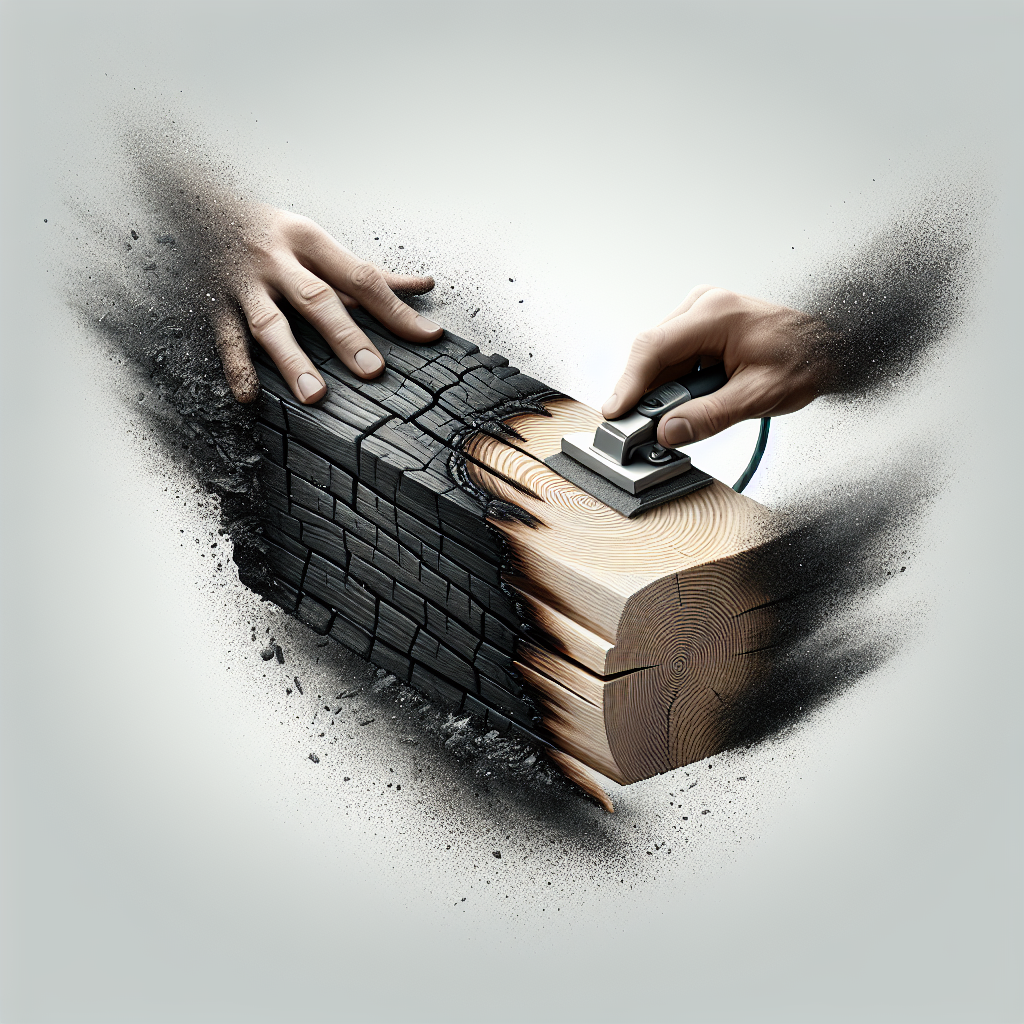
Once structural repairs are made, surfaces often need repainting or refinishing to regain their appearance. Soot stains can be notably challenging to remove, which is why repainting is often the most effective solution.
Contents Restoration
Restoration doesn’t just focus on the building; it often includes contents within the home. This may cover furniture, electronics, clothing, and other personal belongings.
Salvaging Items
Many items may be salvageable with proper cleaning and restoration techniques. A professional restoration service can help evaluate what can be saved and what needs to be discarded. Items are cleaned using specific methods based on their materials to avoid further damage.
Inventory of Damaged Items
Throughout the process, it’s vital to create an inventory of all damaged items. This documentation can support claims made to insurance companies and provide a clearer view of financial losses incurred from the fire incident.
Final Inspection and Follow-Up
After the restoration work is complete, a final inspection is essential. This ensures that all repairs have been made satisfactorily and that the site is safe for occupancy. Restorers may provide further recommendations such as preventative measures to avoid future fires or fire-resistant materials for future renovations.
Insurance Claims and Assistance
Navigating insurance claims after a fire can be daunting. Engaging with your insurance company is a crucial step, especially regarding fire damage restoration rights and coverage. Documenting losses and working closely with the restoration provider often helps expedite the claims process.
Understanding Coverage
It’s essential to understand your insurance coverage. Policies vary widely, so knowing what is covered is vital in these situations. A professional restoration company can often assist in verifying losses and communicating effectively with adjusters.
Conclusion
Understanding fire damage restoration is not just about repairing and restoring property—it encapsulates emotional recovery and returning to a sense of normalcy. By following the outlined steps, homeowners can ensure a more straightforward restoration process that prioritizes safety, efficiency, and thoroughness. Fire impact can be devastating, but with the right approach and support, recovery can lead to a renewed and resilient space.