

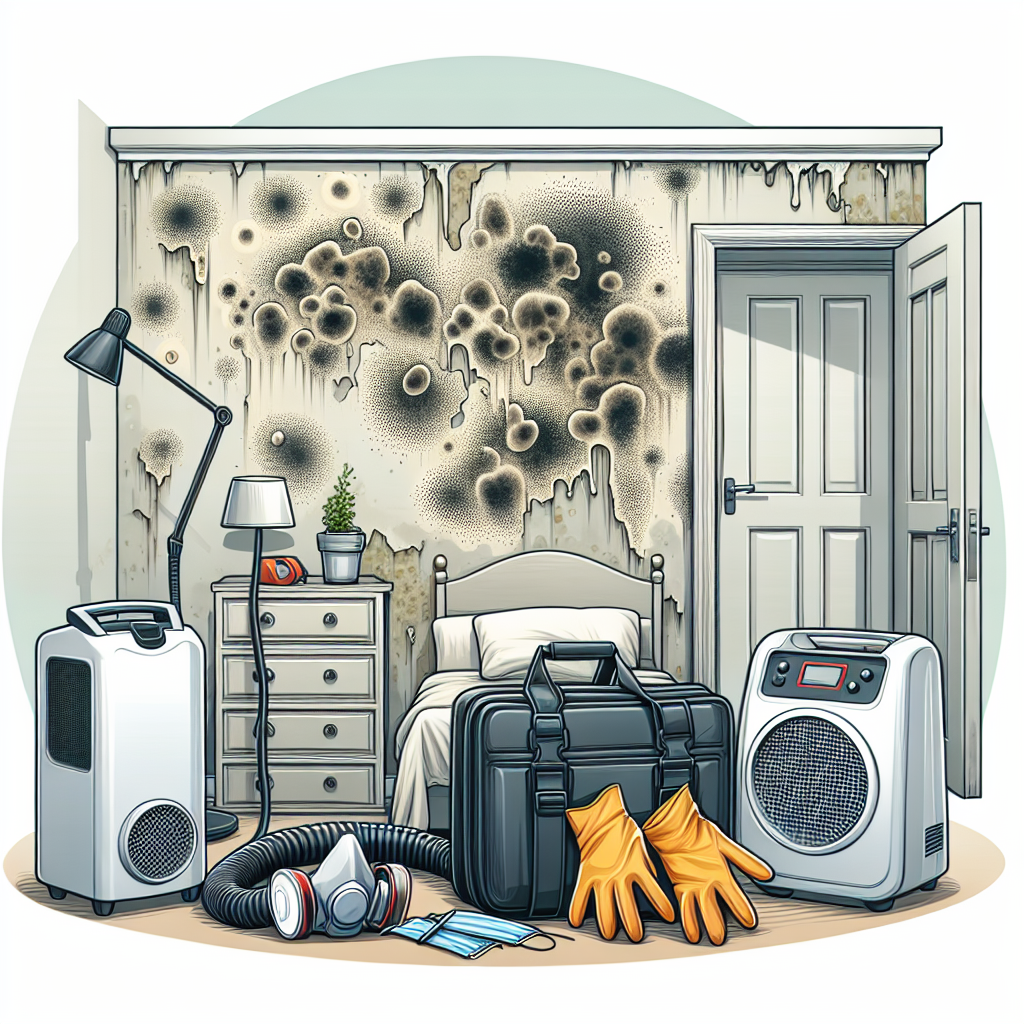
When it comes to home maintenance, dealing with mold is one of the most critical yet often overlooked tasks. Mold can pose serious health risks, and addressing a mold problem promptly is essential. For homeowners in St. Johns or Jacksonville Beach, understanding the mold remediation process can help them navigate this challenge effectively. If you ever find yourself facing a mold issue, knowing what to expect can ease the stress. This guide will walk you through the steps involved in mold remediation and what you need to prepare for.
UNDERSTANDING MOLD REMEDIATION
Before diving into the remediation process, it’s essential to identify the type of mold present, as some molds can be more harmful than others. The key to successful remediation is addressing not only the mold itself but the moisture problems that allow it to thrive.
The Importance of Professional Help
While DIY methods may seem appealing for mold removal, professional remediation services are often necessary. Professionals have the right equipment, training, and experience to handle extensive mold infestations safely. They also follow established protocols that comply with health and safety regulations.
Notably, a professional mold remediation team will first conduct an inspection and mold assessment to understand the extent of the infestation. This initial step is crucial as it helps determine the strategy for effective mold removal.
Steps Involved in the Mold Remediation Process
The mold remediation process typically involves several key steps, designed to ensure complete removal and prevention of future growth. Here’s a detailed breakdown:
1. Inspection and Assessment
The first step involves a thorough inspection of the premises. Licensed mold inspectors conduct a visual examination, looking for signs of mold and moisture. Moisture meters and infrared cameras may be used to identify hidden mold in walls and ceilings. Samples might be taken to determine the specific type of mold growing in your environment.
2. Containment of the Affected Area
Once mold is identified, the next step is containment. Professionals will set up barriers to isolate the affected areas. This is typically achieved using plastic sheeting, which helps prevent mold spores from spreading during the removal process. They also employ air filtration systems to further control airborne spores.
3. Air Filtration
During mold remediation, it’s crucial to maintain clean air in the environment. High-Efficiency Particulate Air (HEPA) filters are used in air scrubbers to capture airborne spores, ensuring that they do not contaminate the home further. Air filtration is one of the most vital steps, as mold spores can spread rapidly if not dealt with properly.
4. Mold Removal
The actual mold removal process follows containment and air filtration. Professionals will safely remove all contaminated materials, which may include drywall, carpeting, or insulation. Non-porous surfaces are cleaned using specialized antimicrobial solutions to eliminate the mold thoroughly. In cases of severe infestation, chemical treatments may be necessary.
5. Drying and Dehumidification
Post-removal, it’s essential to dry the area completely. Mold thrives in humid conditions, so dehumidifiers may be used to remove excess moisture from the air. This step is critical to ensure that mold doesn’t return after remediation.
6. Restoration
Restoration is the final phase of the mold remediation process. This includes repairing or replacing any materials that were removed during the process. It may involve painting, installing new drywall, or structural repairs, all aimed at returning your home to its pre-mold condition.
Post-Remediation Considerations
Once the remediation process is complete, it’s important to maintain vigilance. Monitoring the previously affected area and controlling moisture levels in your home can help prevent future mold growth. Consider investing in a dehumidifier, especially in areas like basements and bathrooms that are prone to dampness.
Educating Yourself About Mold Prevention
Understanding how to prevent mold is vital. Regularly check potential problem areas, such as around pipes and in attics. Ensure adequate ventilation and fix leaks promptly. Keeping your home clean, especially in areas prone to moisture, can help minimize the risk of mold growth.
Regular Inspections
Scheduling regular mold inspections can also be advantageous. Catching problems early on allows you to address them before they escalate into costly and health-risk situations. If your home has a history of mold issues, you might want to make inspections a part of your routine maintenance.
Conclusion
In summary, mold remediation is a detailed and necessary process for any homeowner facing mold problems. While it may initially seem overwhelming, knowing what to expect can make all the difference. Engaging professionals ensures that mold is dealt with safely and effectively. Learning about mold prevention and scheduling regular inspections will help you maintain a healthy living environment, ensuring that mold remains a thing of the past.
By being proactive and understanding the mold remediation process, homeowners can protect their families and properties from the dangers that mold can pose. Investing in your home’s health today can pay dividends in the years to come.