

The phone call to your insurance carrier is not the first thing you should do after discovering water damage in your Jacksonville home. Documentation is. Every photograph, every timestamp, every note about where the water came from and how far it spread becomes evidence in your claim — and a poorly documented loss can mean denied coverage, reduced payout, or weeks of additional adjuster back-and-forth. Florida carriers have tightened claims handling in recent years, and homeowners who treat documentation as an afterthought are the ones who lose money.
This post walks through exactly what to capture before any cleanup begins, why timing matters in Florida’s humid climate, and how restoration teams support your documentation when they arrive.
For a Florida water damage insurance claim, document the source of the water, the time you discovered the loss, photographs of every wet surface and damaged item, and any contaminated materials before cleanup begins. Save receipts for emergency mitigation, keep a written timeline of events, and request the IICRC-aligned scope of work from your restoration team. The more thorough your documentation in the first 24 hours, the smoother the claim.
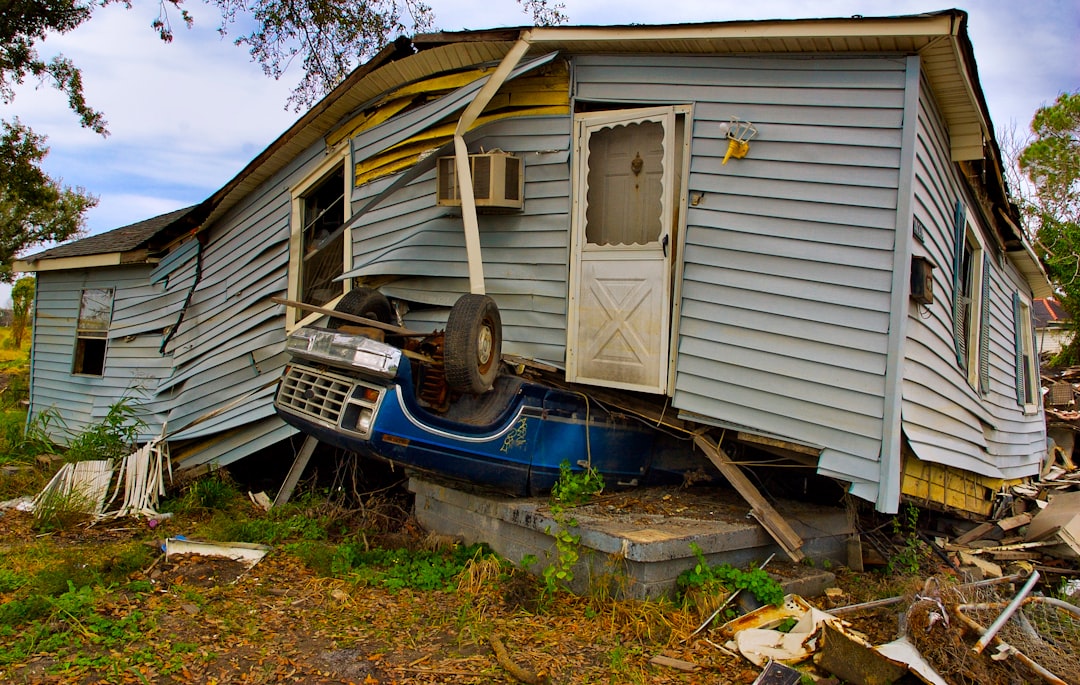
The single biggest mistake homeowners make is starting cleanup before photography. Once you move a wet rug or wipe up standing water, that evidence is gone, and the adjuster has to rely on your description instead of a picture.
Standing water across every affected room, with timestamps if your camera or phone supports it. Wet drywall and baseboards. Saturated carpet and pad. Damaged furniture, electronics, books, and personal items. The water source itself if it is safe to access — a burst pipe, a failed appliance line, a storm-damaged ceiling. The exterior of the home if storm water entered from outside. Every angle. Every room. Many more photos than you think you need.
Modern smartphones embed time, date, and often GPS location into photo metadata. Do not strip this information when sending photos to the adjuster. The timestamps prove when you discovered the loss, which matters because Florida policies often have clauses about reporting losses promptly. CDC and EPA guidance both emphasize early documentation for any property loss involving water, especially in humid coastal climates where biological contamination develops quickly.
A photograph of damage is not enough — the adjuster also needs to understand causation and timing.
The exact time you discovered the loss. The exact time the water source started, if you know (a pipe that burst overnight versus one that burst at 6 PM has different implications). What you saw, heard, or smelled when you noticed something was wrong. What you did first. Who you called. When restoration arrived.
Keep this log in a single place — a notes app, a written page, a shared document. Update it in real time as the response unfolds. Memory is unreliable, and adjusters interview homeowners weeks later expecting consistent answers.
NOAA records show Jacksonville averages around 75% relative humidity year-round, with hurricane season pushing both ambient moisture and storm-driven water intrusion. Insurance carriers know this. They expect homeowners to act quickly — typically within 24-48 hours of discovery — because Florida humidity accelerates secondary damage. A delay in documentation often correlates with a delay in mitigation, and carriers can reduce coverage for damage that “should have been prevented” with prompt action.
Once a restoration team arrives, materials start coming out — wet drywall, soaked insulation, damaged flooring. The pre-removal photographs are how you prove what was there.
Photograph each affected room from multiple angles before the restoration team starts demolition. Document the brand and approximate age of damaged appliances, the type of flooring, the wall finish, and any built-in features (cabinets, shelving, trim). For high-value items — electronics, artwork, instruments, antiques — photograph serial numbers and any pre-existing damage so the adjuster cannot dispute condition later.
A reputable restoration company in Northeast Florida — one that works under the IICRC S500 standard — will document everything they do. Moisture readings before and after drying, photos of every wet cavity exposed during demolition, a written scope of work that ties materials removed to the cause of loss. This documentation supports the claim alongside your own. Ask for copies of everything they capture, and store it in the same folder as your own photos.
Insurance reimburses documented expenses. Undocumented expenses do not get paid.
Receipts for emergency supplies — fans, dehumidifiers, towels, tarps, anything purchased to stabilize the property before professionals arrive. Receipts for any temporary lodging if the home is uninhabitable. Mileage logs if you have to drive to retrieve belongings or meet adjusters. Restoration company invoices, itemized line by line.
Some restoration teams charge daily for equipment placement — dehumidifiers, air movers, monitoring visits. Keep a log of when equipment arrived, when it left, and what readings the team took. This log resolves billing disputes and helps the adjuster verify the scope of work.
You should mitigate further damage — stop the source, move undamaged belongings out of the affected area, place towels under active leaks — but do not start removing damaged materials or drying out the property before documenting everything photographically and notifying the carrier. Most Florida policies require you to take reasonable steps to prevent further damage, which is different from doing the cleanup yourself.
Florida policies typically require prompt notice of loss, which is generally interpreted as 24-72 hours from discovery. Specific deadlines vary by carrier and policy. Florida statute also imposes deadlines on hurricane and windstorm claims — currently within one year of the date of loss for most policies. Read your declarations page and call the carrier as soon as you have initial documentation.
It depends on the source. Wind-driven rain through a storm-damaged roof is typically covered under a standard homeowners policy with a separate hurricane deductible. Storm surge and ground flooding are generally not covered under standard homeowners policies and require separate flood insurance through the NFIP or a private flood carrier. The distinction often comes down to where the water entered the building.
An IICRC S500-aligned scope documents the category of water (1, 2, or 3), the class of damage (1-4, based on saturation and material affected), the moisture readings before and after drying, the equipment used, the materials removed and why, and the conditions under which the job was closed (target moisture content reached and verified). Carriers recognize this documentation because it is the industry standard.
Yes. Insurance carriers may suggest contractors from their preferred network, but Florida homeowners have the right to choose their own restoration company. What matters is that the contractor is licensed, insured, and documents the work to IICRC standards so the claim is supported.
Water damage claims in Florida are won or lost in the first 24 hours through documentation, not litigation. Photograph everything before touching anything. Write down what happened and when. Coordinate with a restoration team that documents the scope under IICRC S500. Save every receipt.
If you are facing water damage right now in the Jacksonville metro, Rainbow Restoration of Deerwood responds across Mandarin, Atlantic Beach, and St. Augustine in Duval and St. Johns counties. Our water damage restoration team documents every loss to IICRC standards from the first arrival, and our project notes have supported homeowners through hundreds of Florida insurance claims. If mold has already started, our mold remediation team picks up under IICRC S520 so the documentation stays continuous across both phases of the work.
Document first. Mitigate second. Negotiate the claim from a position of evidence.