
In the days after a house fire, the structural restoration gets most of the attention — drywall, framing, HVAC. But for the homeowner standing in the middle of a smoke-damaged living room, the question that matters most is often about contents. The photographs in the album on the coffee table. The clothing in the closet. The instrument in the corner. The electronics that survived the flames physically but sat through the smoke. What can come back, what has to go, and how does the restoration team decide? In Jacksonville’s humid climate, the answer is often more nuanced than homeowners expect, and the decisions made in the first week affect outcomes for months.
This post walks through how content restoration after a Florida house fire works, what determines whether an item can be saved, and why timing matters more in this climate than almost anywhere else in the country.
Most non-porous items (glass, metal, ceramic, sealed plastics, electronics that were not powered during the fire) can typically be cleaned and returned. Soft goods exposed only to smoke (clothing, bedding, rugs) usually clean through ozone treatment or commercial laundering. Items in direct flame contact, melted by radiant heat, or with porous contamination by smoke-saturated food residue typically cannot be saved. Florida humidity tightens the salvage window — every day adds to deterioration.
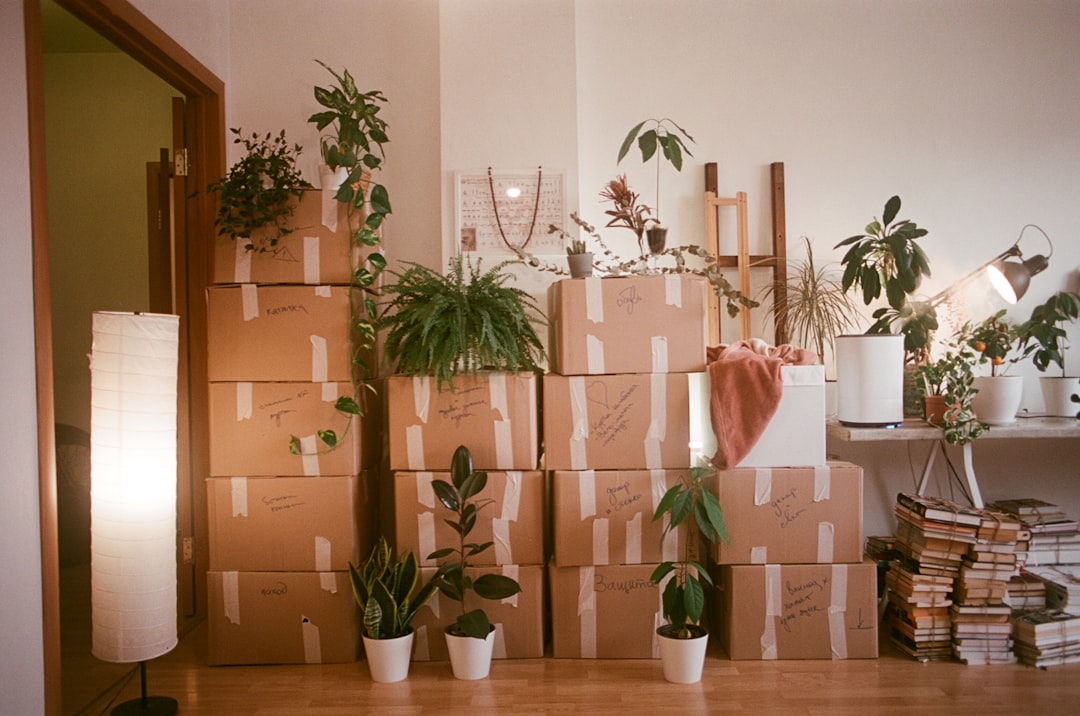
Reputable Jacksonville fire restoration teams use a triage process the first week after a fire to classify every item in the affected area.
Items that received only smoke or soot exposure, with no direct heat damage or saturated chemical residue. Hard surfaces (kitchenware, glass, sealed electronics with no internal contamination) typically clean with appropriate solvents and HEPA filtration. Most household items in rooms adjacent to but not directly affected by the fire fall into this category.
Items that need more than surface cleaning to recover. Clothing and textiles requiring ozone or commercial wet/dry cleaning. Electronics that need disassembly and component-level cleaning. Documents and photographs requiring specialized restoration techniques. Books, artwork, and antiques often fall here. These items require specialist subcontractors, and the cost-benefit depends on the item’s value (financial or sentimental).
Items where salvage might work but success rate is lower. Upholstered furniture from the fire room. Mattresses exposed to heavy smoke. Carpet and pad if soot embedded deeply. The restoration team documents these for the insurance claim and lets the homeowner make the call on attempted cleaning vs. replacement.
Items that came in direct flame contact, melted by radiant heat, or with porous food-based contamination. These get inventoried for the insurance claim and disposed of following Jacksonville waste regulations.
The IICRC S700 standard for fire and smoke damage informs the salvage assessment, but the calls are also informed by Florida-specific conditions.
Non-porous materials (glass, glazed ceramic, sealed metals) shed soot readily and clean well. Semi-porous materials (sealed wood, painted surfaces, finished electronics) require more intensive cleaning but usually recover. Porous materials (raw wood, paper, fabric, unfinished surfaces) hold contamination at the molecular level and often need to be discarded.
IICRC categorizes smoke by what burned — protein, wet smoke, dry smoke (covered in our kitchen fire damage post). Each requires different cleaning chemistry. Items exposed to protein residue from a kitchen fire face different challenges than items exposed to dry smoke from a paper or fabric fire.
Soot acidity etches surfaces over time. The longer an item sits in contaminated conditions before cleaning, the deeper the damage and the lower the salvage rate. Florida humidity accelerates this. NOAA records show Jacksonville averaging around 75% relative humidity year-round, which means acidic soot bonds to surfaces faster here than in drier climates.
Items that were in good condition before the fire have better salvage outcomes than items already showing wear. The restoration team factors pre-fire condition into the triage decision and documents it for the insurance claim.
Most clothing exposed only to smoke (not direct flames or water contamination) cleans well through commercial textile services. The process typically includes pre-treatment for soot removal, ozone exposure to break down odor compounds, and standard laundering. Items with synthetic fibers may have additional considerations because heat can deform some synthetics even at sub-flame temperatures.
The biggest variable in electronics salvage is whether the device was powered on during the fire. Powered devices accumulated soot on hot components — circuit boards, processors — where it bonds more aggressively. Devices that were off but in the affected area can often be restored by specialty electronics restoration subcontractors who disassemble, clean, and reassemble at the component level. The cost-benefit depends on the device’s replacement value.
Specialty document restoration services use techniques like freeze-drying, vacuum freeze-drying, and chemical stabilization to recover paper goods. Older photographs (silver halide prints) often recover better than newer dye-based prints. Restoration teams coordinate with document specialists when valuable paper goods are involved.
Each piece is typically assessed individually because the substrate, finish, and conservation history all affect salvage. The restoration team coordinates with art conservators when needed. Insurance claims for art typically require pre-fire documentation (photographs, appraisals) — another reason ongoing home documentation matters before any disaster occurs.
Hard furniture (wood, metal, glass tabletops) typically cleans well. Upholstered furniture is harder — the foam and fabric absorb smoke deeply and the cleaning success depends on how much smoke was present and how long before cleaning began.
CDC guidance specifically addresses food after fire damage: items in sealed metal cans, properly canned glass jars, and similar truly-sealed containers may be salvageable if cleaned. Anything in cardboard, plastic, paper, or partially-sealed containers should be discarded. Anything that may have been heated above safe temperatures during the fire should be discarded even if it looks intact.
Several aspects of restoration are different in Florida than in drier or cooler regions.
Humidity drives the deterioration rate of fire-damaged contents. Items left in a smoke-affected Jacksonville home for two weeks before cleaning are typically worse off than the same items in Denver or Phoenix for the same duration. The salvage rate drops noticeably the longer cleaning is delayed.
Most Jacksonville fire restoration teams move contents off-site to climate-controlled cleaning facilities. This isolates the items from the affected home’s ongoing humidity and contamination, accelerates cleaning, and creates a controlled environment where ozone treatment and other specialty processes work effectively. Items are typically inventoried, photographed, cleaned, and stored until the structural restoration completes and the home is ready to receive them again.
The contents work runs parallel to the structural restoration. Items get inventoried and removed early, cleaned off-site, and held until structural work, HVAC remediation, and final cleaning of the home complete. The home should be in a “stable, clean, dry” state before contents return — otherwise the cleaned items begin re-absorbing residual contamination.
Generally no, except for very limited cases (small items with light surface dust that you can clean yourself with a HEPA vacuum). DIY cleaning of fire-damaged items often sets soot deeper into porous materials, can damage delicate items, and complicates the insurance claim. Inventory items for the carrier, let professionals do the work.
Variable, depending on the volume and type of contents. Small fires with limited content exposure might wrap up in 1-2 weeks. Major fires with extensive contents inventory can run 4-8 weeks. The work usually completes around the same time as structural restoration so contents can return together.
Most Florida homeowners policies cover content restoration as part of the fire loss. The decision between cleaning and replacement is typically driven by cost — if cleaning an item exceeds its replacement value, replacement is usually preferred. Policies vary in coverage limits for contents specifically; check your declarations page for personal property coverage.
That’s the homeowner’s call. Items can be inventoried for the insurance claim as totaled and replaced rather than cleaned. The restoration team documents the decision so the carrier processes the claim correctly.
Most can with appropriate treatment. Ozone and hydroxyl treatments break down the volatile organic compounds responsible for smoke odor. Some items — particularly heavily impregnated upholstered furniture or items with food-based protein residue — may retain residual smell despite treatment. The restoration team is honest about which items have lower recovery odds.
After a house fire in Jacksonville, your belongings are not automatically lost. Most non-porous items recover well. Most clothing and textiles clean back to use. Electronics often survive with specialty cleaning. But the salvage window is shorter in Florida than in drier climates — every day of delay reduces the recovery rate. Triage early, document everything, and let professionals handle the cleaning rather than attempting it yourself.
Rainbow Restoration of Deerwood handles content restoration across Southside, Atlantic Beach, and St. Augustine as part of comprehensive fire restoration. Our fire damage restoration team inventories every affected item, classifies under IICRC S700, and coordinates cleaning at off-site climate-controlled facilities. Where post-fire water damage from suppression efforts affected items, the water damage restoration team coordinates the moisture side of the work so contents come back to a home that is fully ready to receive them.
The first week after a fire is the most important for contents. Inventory, photograph, decide — and bring in help quickly enough that the salvage window stays open.