

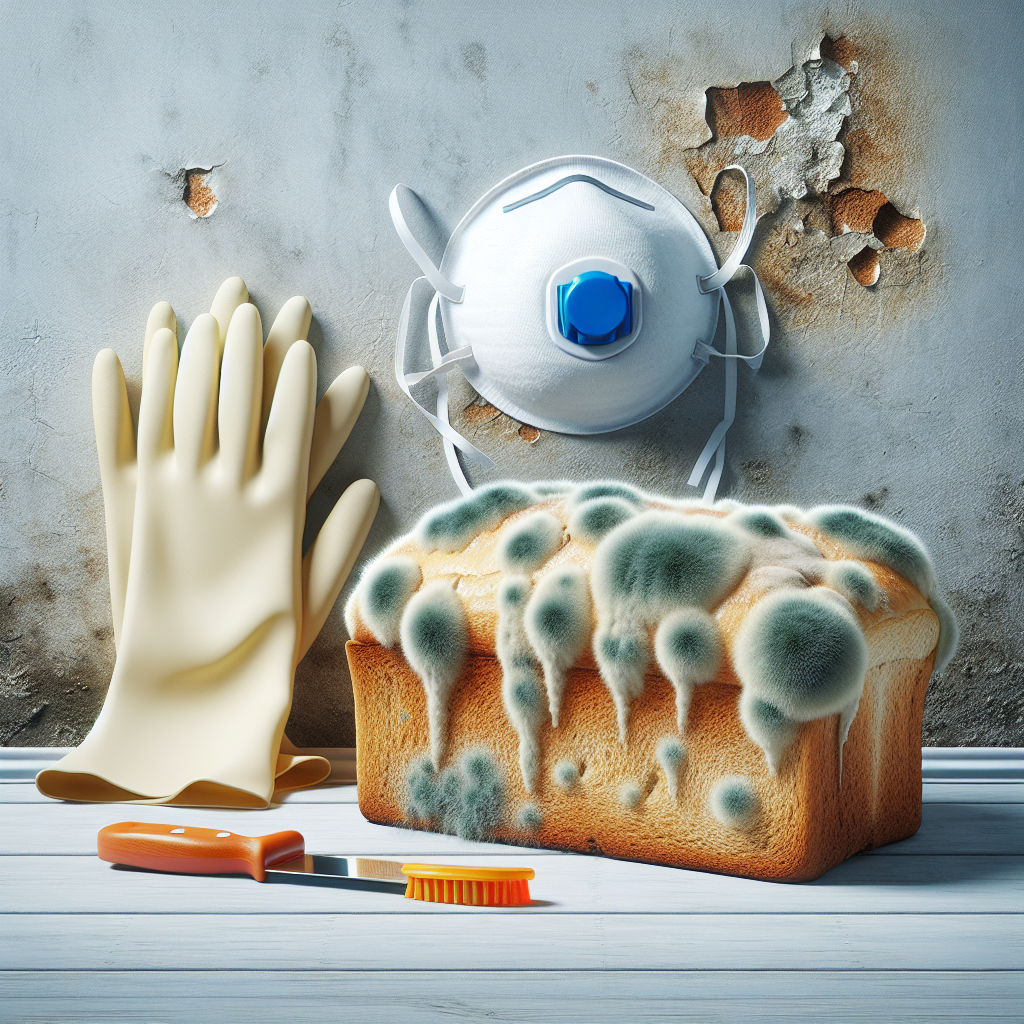
Mold infestations can be a Atlantic beach homeowner’s worst nightmare. Not only can they compromise the integrity of your home, but they also pose serious health risks. In the event of a mold discovery, time is of the essence. Immediate actions can significantly minimize damage and safeguard your health. Here’s a comprehensive guide on the steps to take immediately after a mold infestation.
Recognizing a Mold Emergency
When faced with a mold issue, it’s crucial to recognize it as a mold emergency. Mold typically thrives in damp, humid conditions, making basements and bathrooms common culprits. Pay attention to any musty odors and visible growth, such as dark spots on walls or ceilings.
If you suspect mold infestation, don’t delay in taking action. Health concerns linked to mold include respiratory issues, allergies, and even toxic reactions in some cases. This is particularly critical for individuals with compromised immune systems, made worse if the mold is left unchecked.
Assess the Situation
Before diving into mold cleanup, take a moment to assess the extent of the infestation. Identify the affected areas. This might require a flashlight to spot mold that has grown in unnoticed spaces. Look behind furniture, within closets, and under sinks. If the mold covers more than a few square feet, it may indicate a more serious issue that requires professional help. Assessing the situation informs your next steps and helps in deciding whether a do-it-yourself approach is sufficient or if it’s time to call in mold remediation experts.
Safety First: Protect Your Health
Your health is your priority. Once you’ve acknowledged the mold emergency, take immediate steps to safeguard yourself and others in your household.
Wear Protective Gear
Before you begin any cleanup, equip yourself with the appropriate protective gear. This includes:
– N95 respirator or mask to prevent inhalation of spores
– Safety goggles to shield your eyes
– Gloves to protect your skin from direct contact
– Old clothing that you can discard after cleanup, since spores can cling to fabric.
Taking these precautions helps create a safer environment to tackle mold cleanup without putting yourself at risk.
Immediate Mold Cleanup Steps
Once you’re safe and have assessed the mold situation, it’s time to start cleanup. Remember that the goal is to contain and reduce the mold’s impact as efficiently as possible.
Contain the Mold
If the infestation is localized, your first action should be to contain the mold. Close doors and windows in the affected area to prevent spores from spreading into other parts of your home. You can seal off the space using plastic sheeting and tape. This containment fosters a controlled environment for your cleaning efforts.
Improve Ventilation
Next, enhance ventilation in the affected areas. Open windows and doors to encourage airflow and help dry damp spaces. Use fans only if the mold isn’t extensive, as they can disperse spores if used carelessly. A dehumidifier can also help reduce moisture levels, making it tougher for mold to thrive.
Start Cleaning with Solutions
For small mold patches, you can often clean them using common household items. Diluted bleach (1 cup of bleach to 1 gallon of water) is a popular choice, but remember, it should never be mixed with ammonia. Vinegar is a natural alternative that can also work effectively in killing mold spores.
Apply the cleaning solution to the affected area using a spray bottle or sponge. Scrub the mold off surfaces using a stiff brush. After scrubbing, rinse the area with water and dry it thoroughly to help prevent the mold from returning.
Dispose of Contaminated Materials
Mold can penetrate porous materials, making some items unrecoverable. If you find heavily infested materials such as carpets, ceiling tiles, or upholstered furniture, it may be necessary to dispose of them. Seal these items in a plastic bag before removing them from your home to prevent spore dispersal.
Document Everything
As you handle mold cleanup, ensure to document the situation. Take photos of affected areas and items that had to be disposed of. This documentation can be helpful for insurance claims later. It’s also beneficial to keep a record of your cleaning efforts and any professional services hired.
Implement Preventive Measures
After you’ve cleared the mold, the next step is to ensure it doesn’t return. Implementing preventive measures is essential in avoiding future mold infestations.
Control Humidity Levels
Mold spores thrive in environments with high humidity. Try to maintain indoor humidity levels below 50%. Invest in dehumidifiers, especially in commonly damp areas, and use exhaust fans in bathrooms and kitchens to control moisture.
Regular Inspections
Conducting regular inspections of your home is a proactive way to catch mold growth early. Check key areas regularly for signs of water damage, leaks, or excess moisture, which can create favorable conditions for mold.
When to Call Professionals
There are situations where a professional mold remediation service is necessary. If the infestation covers a large area (more than 10 square feet), is behind walls or ceilings, or if you experience persistent allergy symptoms even after cleanup—don’t hesitate to reach out to experts.
Professionals have the equipment, training, and expertise to handle extensive mold issues safely and effectively. They can also conduct air quality testing to ensure that your home is mold-free and safe for you and your family.
Consider Insurance Options
Lastly, after handling the mold emergency cleanup, it’s worth checking your insurance policy. Some homeowners’ insurance may cover mold removal costs, particularly if it resulted from a covered peril, like a burst pipe. Understand your policy to see if you can get financial assistance during this challenging time.
Conclusion
Addressing a mold infestation may seem daunting, but with the right steps, you can protect your home and health. Recognize it as a mold emergency, act quickly, and prioritize safety during cleanup. Don’t forget to take preventive measures to ward off future occurrences. By staying vigilant, you can create a mold-free environment and ensure your home remains a healthy place to live.