

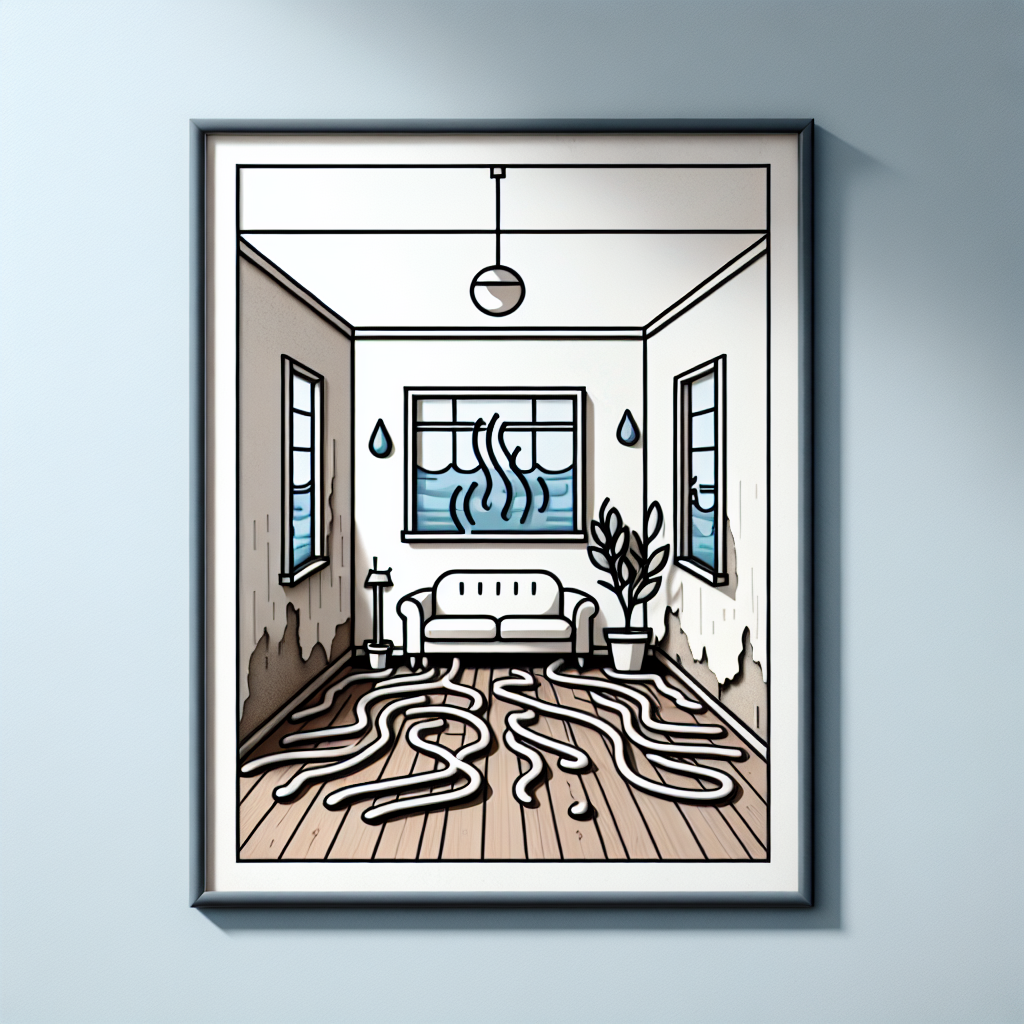
Water damage can wreak havoc on your home in St Johns, both structurally and odor-wise. It leads to a series of uncomfortable situations, especially when undesirable smells start to manifest. Understanding common odors that arise from water damage and effective ways to tackle them is crucial for maintaining a fresh and healthy living environment. Let’s delve into the most prevalent odors associated with water damage and explore practical solutions to eliminate them.
Common Odors After Water Damage
When water seeps into your home, whether from a flood, leakage, or a broken pipe, various odors may develop. The smells often come from mold, mildew, or stagnant water. Recognizing these odors is the first step toward addressing the issue.
Musty Odors
One of the most common smells is that musty odor. This scent is typically a result of mold growth, which thrives in moist conditions. If you’ve ever experienced this odor, you know it can be both nauseating and alarming. It usually indicates that there’s more happening beneath the surface than just water damage.
Stagnant Water Smell
Next, you may encounter a stagnant water smell. This odor can arise when water has pooled in areas where airflow is limited—like in basements or under sinks. Without adequate ventilation, the water can become a breeding ground for bacteria, contributing further to unpleasant scents.
Rotting Odor
A pungent rotting odor is another sign of potential problems. It often comes from wood or other organic materials that have absorbed water and started to decompose. This smell is not just unpleasant; it could indicate structural damage that needs immediate attention.
How to Fix Water Damage Odors
Now, let’s discuss how to effectively eliminate these odors and ensure your home returns to a fresh state. Dealing with these odors involves more than just masking the scent; it’s about addressing the root cause to prevent future occurrences.
Identify and Address the Source
First and foremost, identify the source of the water damage. Inspect your home for leaks, standing water, or areas with high humidity. You’ll want to fix any plumbing issues or leaks immediately to prevent further damage and odor persistence. Sometimes, you might need to hire a professional to locate hidden leaks.
Remove Affected Materials
In cases where mold or decay is present, removing affected materials is essential. For small patches of mold, a simple cleaning solution of water and detergent may suffice. However, more extensive damage may require replacement of drywall, carpets, or insulation that cannot be adequately cleaned. Always wear protective gear when handling moldy materials to avoid health risks.
Use Odor Absorbers
Once the source has been addressed, employing odor absorbers can be effective. Baking soda is a natural and inexpensive way to neutralize odors. Simply sprinkle it on affected areas and let it sit before vacuuming it up. Charcoal and activated carbon filters are also excellent options for absorbing lingering smells.
Ventilate the Space
Proper ventilation helps remove humidity and odors. Open windows and doors to promote airflow, use exhaust fans, or consider adding dehumidifiers to maintain low moisture levels. This can significantly help in eliminating the musty odor that often accompanies water damage.
Clean Thoroughly
A thorough cleaning should follow any water damage. Clean carpets, upholstery, and surfaces with appropriate cleaning agents that contain mold inhibitors. Steam cleaning carpets and furniture can also help remove trapped odors. Make sure you follow the manufacturer’s guidelines for each item.
Prevention is Key
While addressing existing odors is necessary, prevention can save you headaches in the future. Taking proactive steps ensures your home remains odor-free and healthy.
Regular Inspection
Conduct regular inspections of your home to identify any potential water damage issues. Look for leaking pipes, dampness, or dark spots on ceilings and walls. Catching these problems early can prevent lingering odors from developing.
Maintain Gutters and Downspouts
Keeping your gutters and downspouts clear is another preventive measure. Clogged gutters can lead to overflowing water, which may seep into your home’s foundation. Ensure they are cleaned regularly to facilitate proper drainage away from your home.
Invest in Waterproofing
For homes prone to flooding or water damage, consider investing in waterproofing solutions. Products such as sealants and barriers can help protect your home’s structure and minimize the risk of water infiltration.
When to Call a Professional
Ultimately, some situations may demand professional intervention. If you notice a persistent odor despite your cleaning efforts or if the mold growth is extensive, calling in experts proficient in water damage restoration is advisable. They have the tools and knowledge to not just remove odors but also eliminate the underlying causes of water damage effectively.
Conclusion
Addressing common odors after water damage requires a multi-faceted approach. From identifying the source of the problem to thorough cleaning, every step is crucial in restoring your home to a pleasant ambiance. Don’t let water damage odors linger and affect your quality of life. By utilizing effective odor removal techniques and taking preventive measures, you can ensure a healthy, fresh-smelling home for you and your family.