

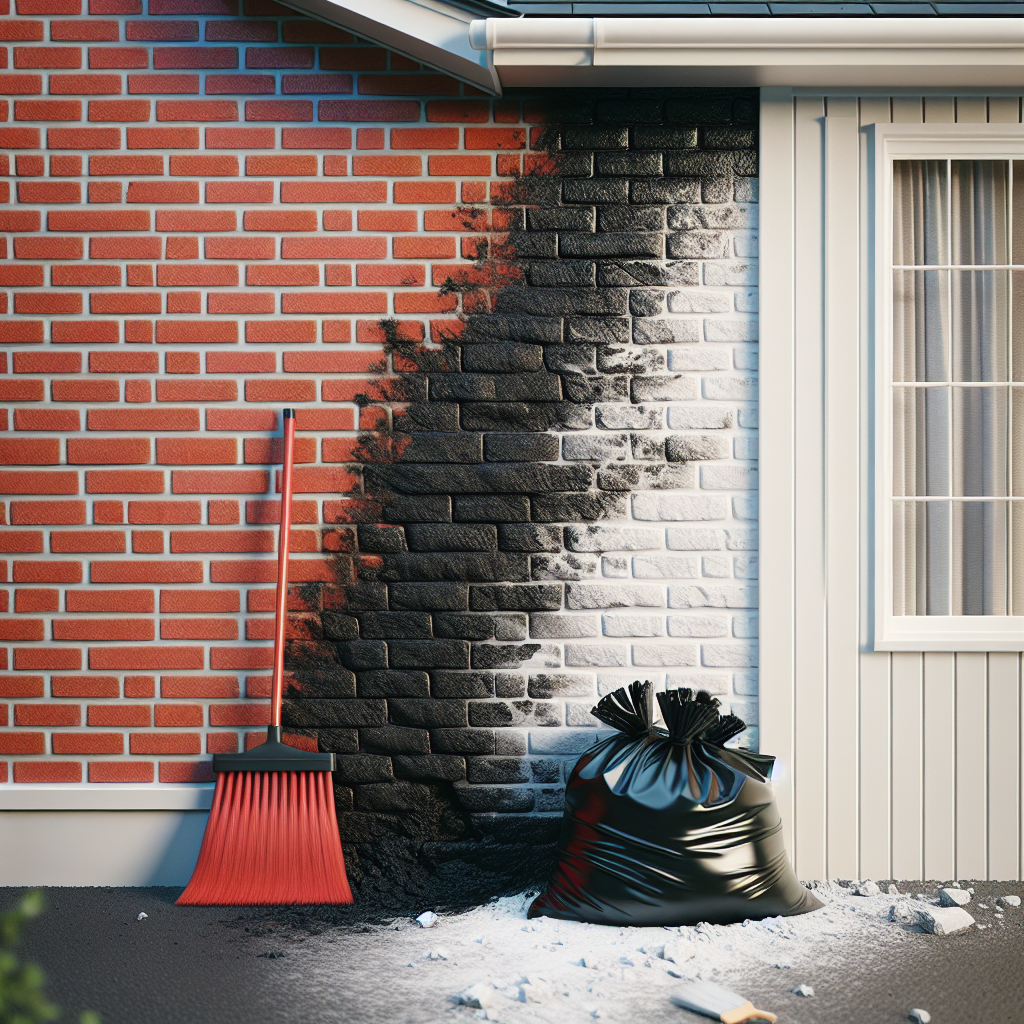
Soot is a silent intruder in many homes especially in St. John’s. It can subtly infiltrate spaces, leaving a trail of damage that often goes unnoticed until it’s too late. Whether due to a fire incident or regular use of fireplaces and candles, soot can compromise your home’s safety and aesthetic appeal. This post will delve into how soot removal not only improves your living environment but saves your home from long-term structural and health issues.
Soot Cleanup: Understanding the Risks
The process of soot cleanup is vital in mitigating potential hazards. Soot consists of tiny carbon particles, remnants of incomplete combustion. When a fire occurs, even a small one, it can leave behind harmful residues that settle on surfaces, invade fabrics, and permeate walls. Beyond creating an unpleasant smell, soot can cause discoloration and staining, affecting the beauty of your home.
Health Hazards Associated with Soot
The health implications of soot exposure cannot be overstated. Inhaling soot particles can lead to respiratory issues, especially for individuals with pre-existing conditions like asthma or other lung-related diseases. Children and the elderly are particularly vulnerable. Additionally, soot can aggravate allergies and skin sensitivities, making immediate cleanup after a fire crucial for the well-being of your household.
Fire Damage Restoration: The Importance of Timely Action
When a fire occurs, the damage assessment quickly turns into a race against time for homeowners. Fire damage restoration is not just about recovering belongings; it’s also significantly linked to soot removal. Delayed action can lead to further deterioration.
Why Prompt Cleanup Matters
After a fire incident, soot can become embedded within porous materials, leading to more complex problems. The longer soot sits on surfaces, the tougher it becomes to remove. Professional restoration services leverage specialized equipment and techniques to ensure effective soot removal, transforming a daunting task into a manageable one.
The timeline for soot cleanup is critical. Most home insurance policies encourage prompt restoration, which can prevent the escalation of damage that might otherwise lead to costly repairs down the line. Beyond financial loss, ignoring soot can affect the structural integrity of your home.
Long-Term Damage Caused by Soot Accumulation
Soot is not just a cosmetic nuisance; it brings along a host of long-term challenges that homeowners should be prepared for. By understanding these risks, one can appreciate the value of soot cleanup.
Corrosion and Material Breakdown
Soot is acidic. It can corrode metals and other materials present within your home. If left uncleaned, soot can cause significant damage to appliances, plumbing, and even the HVAC system. Metal fixtures may rust, while wooden elements can warp and rot, affecting overall home stability.
Impact on Electrical Systems
One often overlooked aspect is the effect of soot on electrical systems. Soot particles can accumulate within sockets and appliances, increasing the risk of electrical fires. A simple spark can ignite the soot, leading to disastrous consequences if unnoticed.
Effective Methods for Soot Removal
When it comes to soot removal, the right approach matters. Depending on the extent of the damage, various methods of cleanup and restoration are available.
DIY vs. Professional Soot Cleanup
Minor instances of soot can potentially be managed through DIY methods. Simple vacuum cleaners with HEPA filters can pick up some surface soot. However, severe fire damage or extensive soot coverage demands professional intervention. Professionals employ strong suction extraction systems, chemical agents, and advanced cleaning methods tailored to specific surfaces, which ensure thorough cleanup and restoration.
It’s advisable to consult with a certified fire damage restoration service. They bring not only expertise but also tools specifically designed for effective soot cleanup. Their knowledge can significantly reduce the risk of lingering issues that may arise from improper cleaning techniques.
Preventive Measures to Minimize Soot Damage
In potential fire-prone areas, certain proactive measures can prevent excessive soot buildup before it becomes a problem.
Regular Maintenance of Fireplaces and Chimneys
If your home has a fireplace, routine inspections and cleanings are essential. Schedule an annual inspection and cleaning service to ensure that soot doesn’t accumulate and become a fire hazard.
Using Good Quality Fuels
Using quality fuels, such as seasoned firewood or smokeless fuels for your fireplace, reduces the amount of soot produced. Avoid burning trash, cardboard, or treated wood, as they produce more soot and harmful fumes.
The Bottom Line on Soot Cleanup
Soot may seem like a small issue, but its implications ripple through your home, affecting health and safety. Addressing soot cleanup is a necessary part of maintaining the aesthetics and structural integrity of a property. Understanding the importance of fire damage restoration and the advantages of swift soot removal can save homeowners time, money, and even lives.
Ensure that your home is not just a place to live, but a safe haven. With proper care and maintenance, including timely soot cleanup, you can protect your dwelling from the devastating effects of soot and fire damage. Letting professionals handle soot may initially seem like a cost, but in reality, it is an investment in the longevity of your home.