

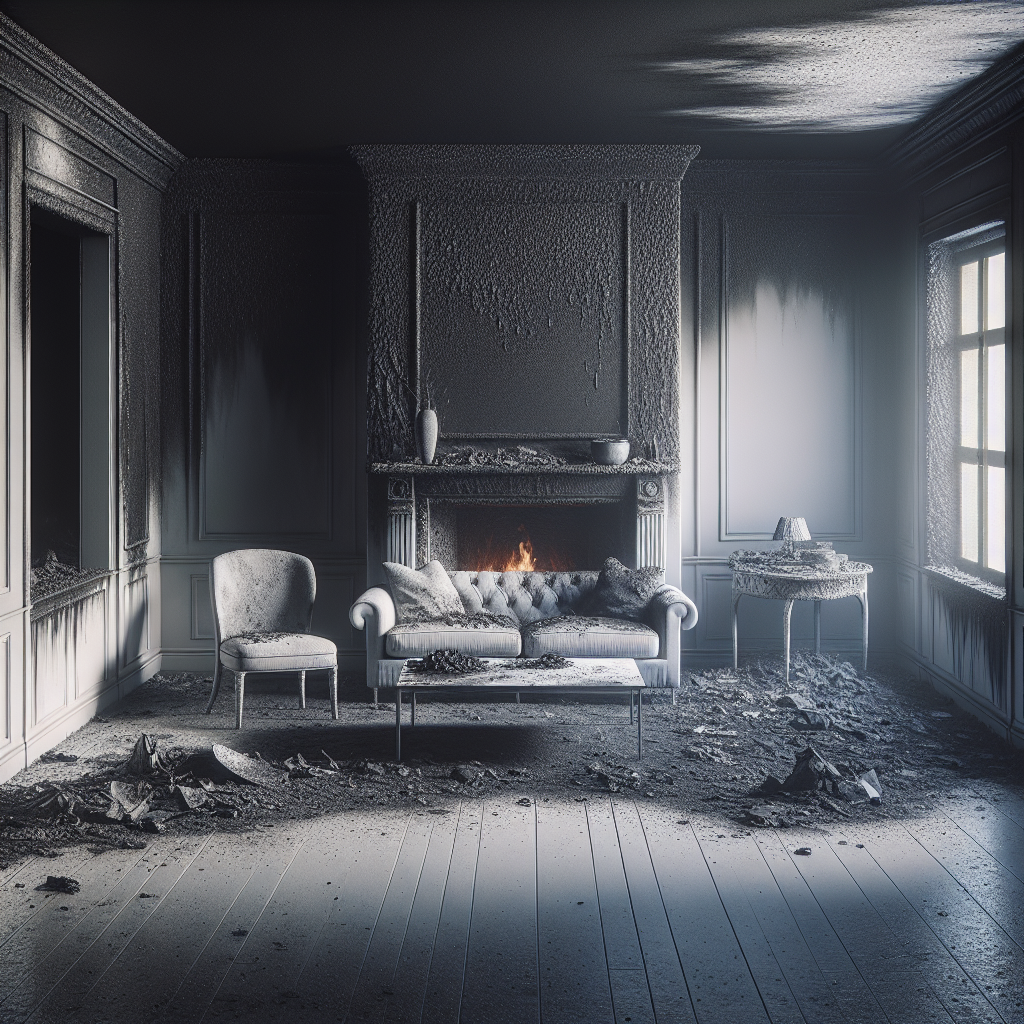
Smoke and soot are two of the most pernicious and persistent elements left behind after a fire. Whether the fire was large or small, contained or spread, the aftereffects can linger for months, if not years. Homeowners in St. John’s often underestimate the potential damage that smoke and soot can cause to both the structure of a home and the health of its residents. In this article, we will delve deeper into how smoke and soot affect your home after a fire and what steps you can take to mitigate the damage.
Understanding Smoke Damage
When a fire occurs, the smoke that billows out is not just a combination of heat and air; it’s a complex mixture of various substances. Smoke damage is primarily caused by the incomplete combustion of materials, resulting in harmful residues that can seep into walls, carpets, and even furniture. The unique odors and stains left behind are not merely cosmetic issues; they can pose serious health risks.
The Chemical Composition of Smoke
The composition of smoke will vary depending on what materials are burning. Organic compounds, flammable vapors, and even metals can be found in smoke. These elements contain toxic byproducts such as carbon monoxide and other harmful chemicals that can linger long after the flames have been extinguished. This perilous blend can negatively impact indoor air quality, posing risks particularly for children and the elderly.
Health Risks Associated with Smoke Damage
Furthermore, exposure to smoke can lead to a range of health problems. Residents may experience respiratory issues, aggravated asthma, or allergies due to the irritating compounds found in smoke. Prolonged exposure can lead to chronic conditions, making the process of smoke removal crucial not just for home restoration but also for safeguarding the health of those living in the space.
The Impact of Soot Damage
Soot is a fine black or brown powder composed of incompletely burnt organic matter. This residue can attach itself to almost any surface, posing both aesthetic and structural challenges. Often more damaging than smoke, soot can corrode surfaces and materials, leading to costly repairs if not addressed promptly.
Surfaces Affected by Soot
Soot can easily embed itself into textiles, upholstery, and carpets. You might find that your favorite sofa appears dull or discolored after a fire incident. Walls painted with lighter colors can also become etched with soot marks that are hard to remove. Even the interior surfaces of appliances can harbor soot, making thorough cleaning essential.
Structural Damage Caused by Soot
The structural materials of your home can also sustain damage. Soot can penetrate deep into wood beams, drywall, and even concrete. This intrusion can lead to decay and compromise the integrity of essential components. Cleaning soot out of these materials is crucial not just for aesthetics but for safety.
Steps for Smoke and Soot Removal
Dealing with smoke and soot damage can be overwhelming, but taking methodical steps can lead to effective cleanup. Ignoring the aftermath can lead to escalating problems down the line. Here’s a guide to addressing the damage efficiently:
Assessment and Safety Precautions
Before starting any cleanup, assess the damage. If the fire was extensive, consult with professionals specializing in smoke damage restoration. Safety is paramount; wear gloves, masks, and protective eyewear to shield yourself from hazardous materials.
Ventilation
Open windows and doors to ensure proper ventilation. This will help in dissipating the smoke odor and bringing in fresh air. If the weather allows, use fans to improve airflow throughout the house. This can aid in reducing lingering smoke particles and odors.
Cleaning Techniques for Soot and Smoke
Begin cleaning surfaces using either dry or wet cleaning methods, depending on the affected area. For soft furnishings, it’s often recommended to use specialized equipment for soot removal.
– Dry Cleaning: For walls and ceilings, dry sponges can be effective. Gently rub without pushing the soot deeper into the material.
– Wet Cleaning: On more durable surfaces, a mixture of soap and water is commonly used. Be cautious with wet cleaning to avoid spreading the soot further.
– Professional Services: If the damage is extensive or if the soot is particularly stubborn, hiring a professional service may be warranted. These experts have tools and expertise in smoke damage remediation and will address the problems more thoroughly.
Odor Elimination
Once the soot is removed, the next step is to tackle the odor. Strong tobacco and fire odors may require specialized deodorization techniques. Ozone treatments and fogging may be used to eliminate the smoke smell efficiently.
Preventing Future Smoke Damage
While the goal is to address and remediate existing smoke and soot damage, reducing the risk of future incidents is vital. Here are a few preventative measures homeowners can take:
Regular Maintenance of Heating Systems
Make sure that your heating systems, including furnaces and fireplaces, are regularly maintained. Regular cleaning could decrease the risk of fire and smoke damage. Also, consider installing smoke detectors in various places around your home, ensuring they are functioning and tested every few months.
Use of Fire-Resistant Materials
If you’re planning renovations or building a new home, consider using fire-resistant materials. These can greatly reduce the likelihood of extensive damage in case of a fire.
Conclusion
In summary, smoke and soot can have severe and lingering effects on your home. Understanding the structural and health implications of these damages is crucial for effective remediation. Taking proactive steps in cleanup and prevention will not only restore the home to its previous state but also safeguard the health of its residents. Whether tackling minor damage yourself or employing professionals for significant issues, the key takeaway is never to let smoke and soot fester, as they can lead to bigger, more costly problems down the road.