

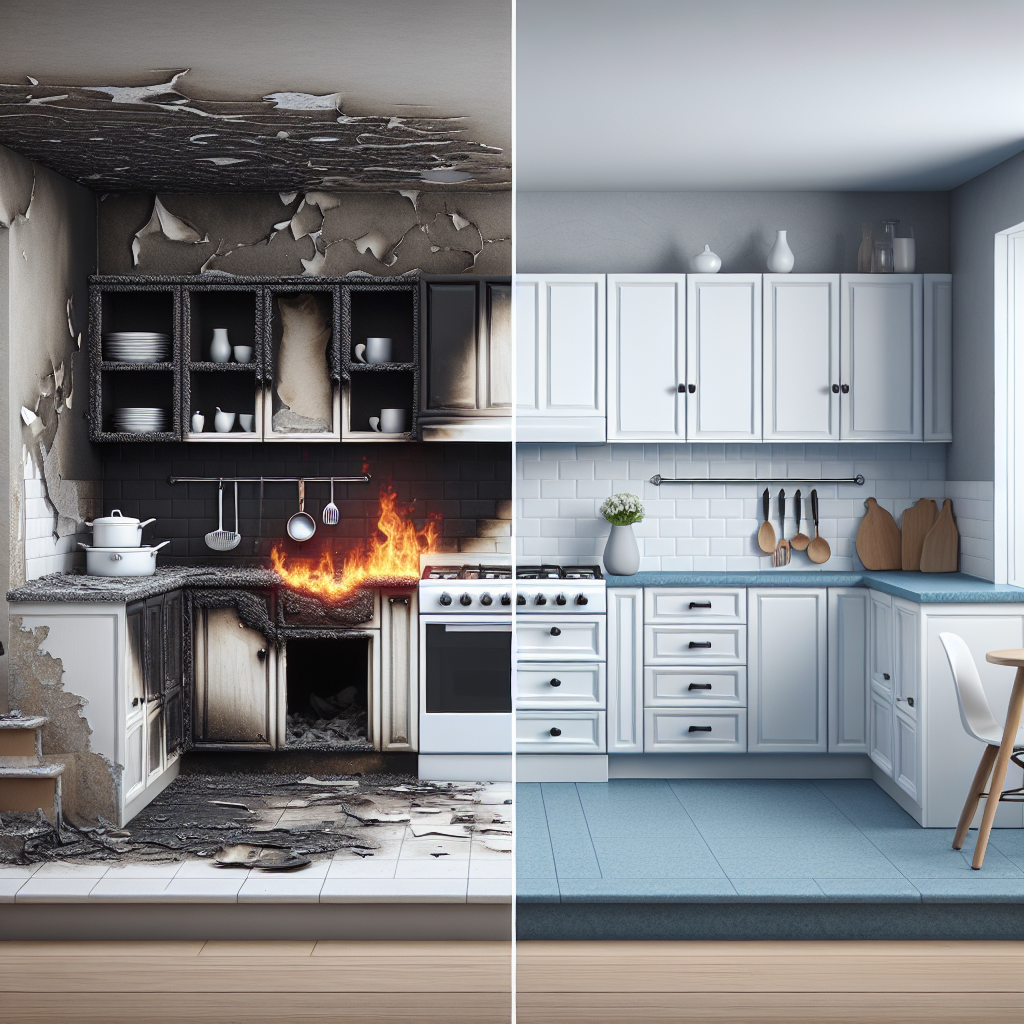
Kitchens are often the heart of the home in Neptune beach, bustling with activity and warmth. Unfortunately, they can also be the site of devastating fires. Whether due to unattended cooking, appliance malfunctions, or even electrical issues, fire damage in kitchens can be horrifying and overwhelming. If you find yourself facing such a crisis, understanding the essentials of fire damage restoration is crucial. Knowing what to do can significantly impact your recovery time and the effectiveness of the restoration process. Let’s dive into what you need to know about fire damage restoration for kitchens.
Understanding Fire Damage in Kitchens
When a fire occurs, it can cause damage not only from the flames but also from smoke and soot. In kitchens, the presence of flammable materials can exacerbate the situation. It’s essential to understand the different types of fire damage.
Types of Fire Damage
– Thermal Damage: This is the most obvious damage caused by the flames. Surfaces, cabinetry, and even the structure of your home can suffer from heat exposure.
– Smoke Damage: Smoke spreads quickly, leaving behind a residue that can permeate fabrics and porous materials, making kitchen fire cleanup critical.
– Soot Damage: Soot is a byproduct of incomplete combustion. It’s often sticky and difficult to clean, requiring special techniques and products.
Understanding these types of damage can help you better navigate the restoration process. You should not attempt to tackle the cleanup alone, especially in a room filled with potential hazards.
First Steps After a Fire
After ensuring that everyone is safe and the fire is out, the real work begins. The first steps following a kitchen fire can set the tone for your recovery.
Assessing Safety
Before you step back into your kitchen, it’s paramount to assess safety. Check for structural integrity and whether the electric or gas lines have been affected. If in doubt, always consult professionals to ensure that the premises are safe.
Contacting Professionals
One of the most important steps in fire restoration is contacting professionals who specialize in fire damage. They possess the expertise, tools, and knowledge to handle complicated cleanup and restoration processes. DIY cleanup might seem tempting, but improper handling can lead to further damage and health risks.
Kitchen Fire Cleanup: What to Expect
Cleaning up after a fire in the kitchen is not just about restoring surfaces; it’s about ensuring that your kitchen is safe, healthy, and functional once again.
Evaluation of Damage
Professionals will conduct a thorough evaluation of the damage. This step is crucial as it guides the restoration plan. They will identify areas affected by thermal damage, soot, and smoke, ensuring that no damage goes unnoticed.
Removal of Damaged Materials
This phase often involves removing charred cabinets, appliances, and flooring materials. Soot-covered surfaces will require comprehensive cleaning, and items that cannot be cleaned may need replacing to prevent future issues such as mold growth.
Smoke and Soot Cleaning
The next critical step is the actual kitchen fire cleanup, focusing on removing smoke and soot. Professionals utilize specialized equipment and chemicals that neutralize odors and clean surfaces. They follow up with an air filtration process to remove particulates from the air, creating a cleaner respiratory environment.
The Fire Restoration Process
Once cleanup is underway, the restoration process can begin. This phase takes into account repairs, replacements, and restoring the kitchen to its pre-fire condition.
Repair and Reconstruction
Depending on the extent of the damage, reconstruction may involve rebuilding walls, installing new cabinetry, and replacing flooring. Professional contractors who specialize in fire restoration will ensure that every aspect of your reconstructed kitchen meets safety standards.
Sanitization and Odor Removal
Sanitization is a vital part of kitchen fire restoration. It ensures the space is free from harmful bacteria and smoke odors. Techniques might include ozone treatments and thermal fogging, which can penetrate into walls and surfaces to remove lingering smells.
Preventing Future Fires
Restoration is just part of the equation. Prevention plays a critical role in ensuring that such an event does not recur.
Safety Practices to Implement
Here are some safety practices to consider post-restoration:
– Install Smoke Detectors: Ensure that smoke detectors are installed and functioning in the kitchen and throughout the house.
– Regular Maintenance: Maintain appliances and wiring. Regularly check for frayed cords or malfunctioning equipment.
– Safe Cooking Practices: Always stay in the kitchen while cooking and keep flammable materials away from heat sources.
Taking these precautions can make your kitchen safer and more resilient against potential fire damage in the future.
Conclusion
Fire damage can be a distressing setback, especially in an essential space like the kitchen. However, understanding the fire damage restoration process can help demystify the situation. From the initial cleanup to full restoration and preventative measures, being informed and working with professionals will lead to a successful recovery. Always prioritize safety first, and don’t hesitate to seek help when necessary. A well-restored kitchen can quickly become a cozy center for family gatherings once more, reminding you of resilience and hope.