

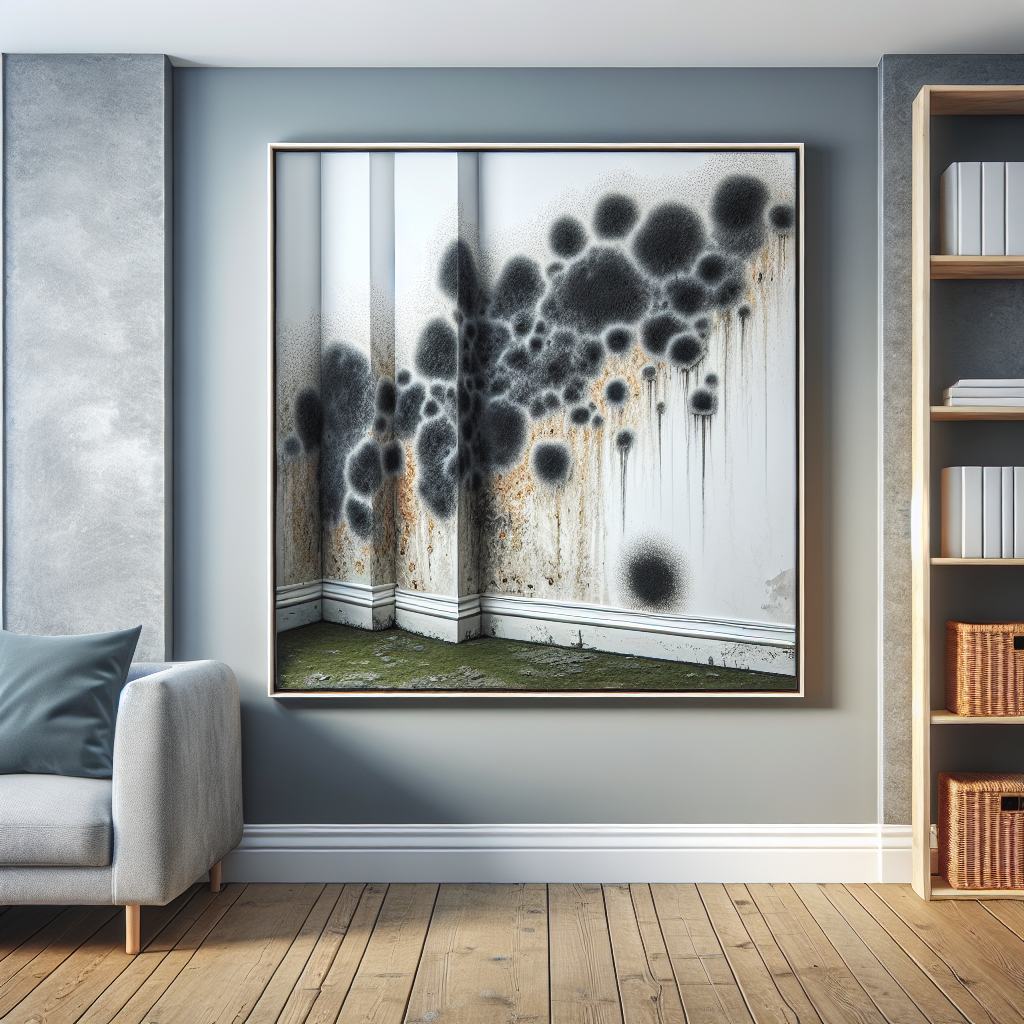
Mold is not just an unsightly nuisance; it poses serious health risks when it infiltrates our indoor spaces like areas in St.Johns. Understanding the hazards associated with mold exposure is critical for maintaining a healthy living environment. Whether in homes, offices, or other buildings, mold can grow practically anywhere moisture is present. It can affect anyone, but certain populations may be more vulnerable.
Health Risks of Mold Exposure
Mold exposure can lead to a myriad of health issues, some of which may persist long after the mold has been removed. The severity of health risks varies based on several factors, including the individual’s health, the type of mold, and the length of exposure.
Respiratory Issues
One of the most common consequences of mold exposure is respiratory problems. Mold spores can irritate the airways, leading to persistent cough, bronchial irritation, and even more severe conditions like asthma or chronic respiratory illnesses. Individuals who already suffer from respiratory conditions are particularly at risk. If you notice difficulty breathing when spending time indoors, it may be time to investigate potential mold issues.
Mold Hazards for Allergic Reactions
Allergic reactions triggered by mold exposure can range from mild to severe. Symptoms often mimic those of common allergies:
Common Allergy Symptoms
– Sneezing
– Runny or stuffy nose
– Red, itchy eyes
– Skin irritation
For those with mold allergies, even a small amount of exposure can lead to significant discomfort. For some, it might exacerbate asthma. If you notice that your allergies worsen indoors, consider the possibility of hidden mold.
Fungal Infections
In certain cases, mold can cause fungal infections, particularly in immunocompromised individuals. The most susceptible populations include those with HIV/AIDS, individuals undergoing chemotherapy, or those on immunosuppressive drugs. These infections can be serious and require medical intervention.
The Role of Mold Types in Health Risks
Not all molds are created equal. Some types of mold are more hazardous than others. Knowing the differences can help in understanding the risks associated with mold exposure.
Black Mold: A Major Concern
Stachybotrys chartarum, commonly referred to as black mold, is notorious for its health risks. It emits mycotoxins that can lead to serious respiratory issues. Long-term exposure can result in chronic fatigue, memory loss, and even neurological damage in extreme cases.
Aspergillus and Penicillium
Other molds, such as Aspergillus and Penicillium, may cause health problems, especially in individuals with pre-existing respiratory conditions. Aspergillus can lead to allergic fungal sinusitis or even more serious conditions like aspergillosis, which is an infection in the lungs.
At-Risk Populations
Certain groups of people are at a heightened risk of health problems due to mold exposure. These include:
Children
Children are particularly vulnerable to mold exposure. Their immune systems are still developing, making them more susceptible to respiratory issues and allergic reactions. Parents should be vigilant and proactive in monitoring for mold in their homes.
Elderly Individuals
The elderly often have weakened immune systems and may experience greater health complications from mold exposure. Regular inspections for mold growth should be part of the maintenance of residences where seniors live.
People with Pre-existing Conditions
Individuals with asthma, allergies, or other respiratory diseases should take mold exposure seriously. Reducing exposure can lead to fewer flare-ups and improve overall quality of life.
Identifying Mold Hazards Indoors
Detecting mold in indoor environments can sometimes be difficult, especially if it grows in hidden areas. Understanding where mold thrives is essential to managing mold hazards effectively.
Common Areas for Mold Growth
– **Bathrooms**: The combination of humidity and warmth create an ideal environment for mold. Check the shower, sink, and even behind fixtures.
– **Kitchens**: Spills and leaks can lead to mold behind cabinets or appliances.
– **Basements and Crawl Spaces**: These areas often have poor ventilation and higher moisture levels, making them prime spots for mold growth.
Drying Out Wet Areas
If you suspect mold growth, it’s critical to address any moisture issues quickly. Use dehumidifiers, fix leaks, and ensure proper ventilation in damp areas to help prevent mold from taking hold.
Mitigating Mold Exposure Risks
Preventing mold exposure is the best line of defense against its health risks. Here are some strategies you can implement:
Regular Cleaning and Maintenance
Establishing a routine cleaning schedule can help keep mold at bay. Focus on areas that are more prone to moisture. Use mold-resistant products when possible, especially in bathrooms and kitchens.
Proper Ventilation
Ensure that your home has adequate ventilation, particularly in areas where moisture accumulates. Use exhaust fans in bathrooms and kitchens, and consider keeping windows open when weather permits.
Dealing with Existing Mold Problems
If you’ve found mold in your home, it’s critical to address it promptly. Smaller patches may be dealt with using commercial mold removers or homemade solutions like a vinegar-water mixture. For larger infestations, professional remediation might be necessary.
When to Seek Professional Help
If mold covers a large area (generally more than 10 square feet) or if you have health concerns, it’s best to consult a professional. They can assess the situation and ensure a thorough and safe removal process.
Conclusion
Mold exposure can present several serious health risks, particularly for vulnerable populations. Understanding the hazards, recognizing the symptoms, and taking proactive measures to prevent or remediate mold can help safeguard your health and well-being. If you suspect mold in your home or workplace, don’t hesitate to take action. The worst thing you can do is ignore the problem. By being aware and knowledgeable, you can create a healthier indoor environment for you and your loved ones.