

The phrase “black mold” carries more weight in the public conversation than any other term in residential restoration. Homeowners who find dark spots on a Jacksonville bathroom ceiling or a baseboard often assume the worst — Stachybotrys, the species the media labels “toxic black mold.” Sometimes that assumption is right. More often, what is actually present is one of several common Florida indoor molds that happen to be dark in color but are not Stachybotrys at all. The remediation differs depending on species and scope, but the response to discovery should not: address the moisture, contain the area, and bring in a professional under IICRC S520.
This post walks through what “black mold” actually refers to, the other common Florida indoor molds homeowners frequently misidentify, and why scope of contamination matters more than species in nearly every case.
No. Many indoor molds produce dark or black-colored colonies, including Aspergillus niger, Cladosporium, and several Penicillium species — none of which are Stachybotrys. The actual Stachybotrys chartarum (sometimes called “toxic black mold”) requires sustained wet conditions on cellulose-rich materials and is less common than media coverage suggests, especially in homes that catch water damage quickly. Visual identification of mold species is unreliable; lab testing is the only way to confirm species.
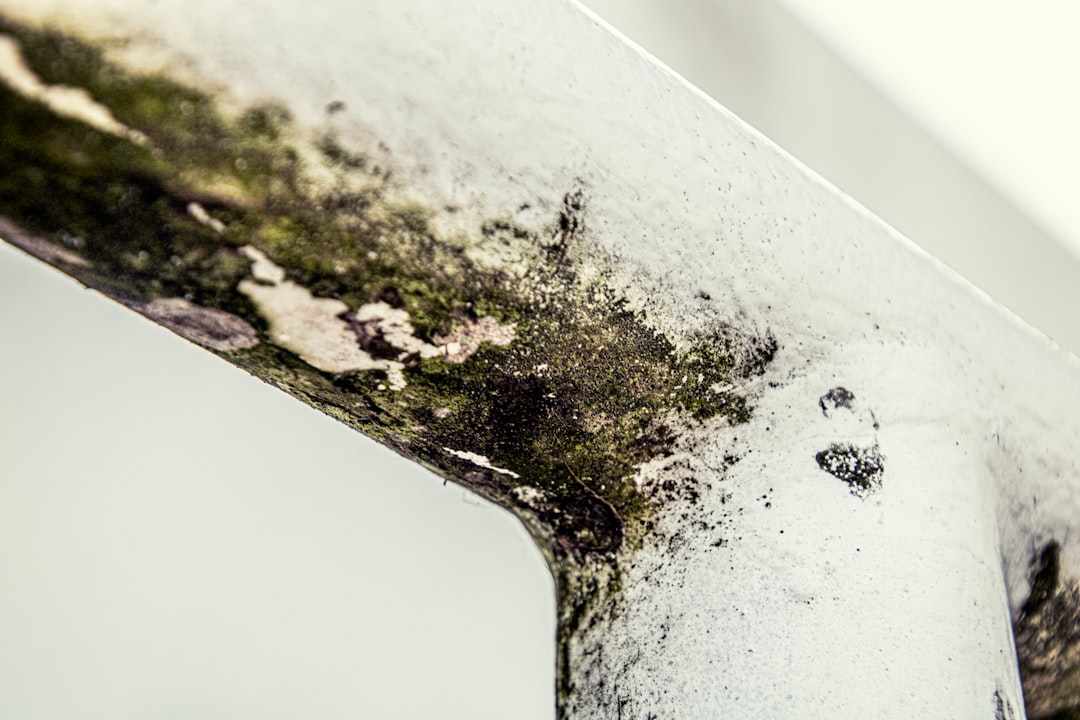
Stachybotrys chartarum is a slow-growing greenish-black mold that requires very specific conditions: sustained water saturation (typically more than a week of continuous moisture), cellulose-rich substrate (drywall paper, wood, paper-faced gypsum board), and lack of competition from other faster-growing molds.
Some Stachybotrys strains produce mycotoxins — secondary metabolites that can cause health effects in sensitive individuals. CDC guidance acknowledges potential health risks from mycotoxin exposure while noting that the research literature on indoor mycotoxin exposure is still evolving. The combination of “toxic,” “black,” and high-profile lawsuit history (notably the Ed McMahon case in the early 2000s) gave Stachybotrys disproportionate cultural weight relative to its actual prevalence.
Long-undetected leaks behind walls, crawl space framing that stayed wet for weeks, attic plywood after sustained roof leaks, and the underside of carpet pad after long-untreated flooding. The common thread is sustained moisture — Stachybotrys does not establish quickly after a fresh water event the way Cladosporium or Aspergillus does.
Most “black mold” calls in Northeast Florida turn out to be one of these species. None of them are harmless, but their behavior and remediation considerations differ.
A genus with hundreds of species, several of which appear in Florida homes. Aspergillus niger produces a black-to-dark-brown colony often mistaken for Stachybotrys. Other Aspergillus species range from yellow-green to white. EPA mold guidance identifies Aspergillus as one of the most common indoor molds globally. It grows on a wider range of substrates than Stachybotrys, including dust, paint, and food residues, and establishes faster.
Greenish-brown to nearly black. One of the most common molds found indoors and outdoors. Cladosporium tolerates a wider temperature range than most indoor molds, which is part of why it shows up reliably in Florida HVAC systems and on cool surfaces like the inside of refrigerator door seals.
Often blue-green or olive-toned but some species are darker. Penicillium establishes quickly on water-damaged building materials and is one of the most common species found after fresh water intrusion events. The musty odor associated with mold growth often comes from Penicillium species.
Dark gray to black colonies. Common around windows, on shower curtains, and in bathrooms generally. Alternaria is a well-documented allergen, particularly relevant to asthma exacerbation.
Olive-gray to nearly black, often with a cottony texture. Establishes on wet drywall, wallpaper, and water-damaged wood. Often appears in the same conditions as Stachybotrys.
Homeowners often want a definitive answer to “is it toxic black mold or not?” before deciding what to do. From the IICRC S520 standpoint, the answer matters less than the scope of contamination and the moisture conditions driving it.
For visible mold contamination on building materials, the response is largely the same: contain the area, remove unsalvageable porous materials, clean salvageable hard surfaces with appropriate antimicrobials, address the moisture source, and verify clearance. The PPE requirements, containment standards, and disposal protocols are similar across species.
The cleaning agent selection may shift, the air filtration approach may change for known mycotoxin producers, and the sampling and clearance criteria can be more stringent for occupied homes with vulnerable residents. These are technician-level decisions, not homeowner-level ones.
Lab testing is most valuable when the scope is unclear (large areas of suspected hidden contamination), when health symptoms are driving the investigation, when insurance documentation requires species confirmation, or when a real estate transaction is involved. For visible contamination in a small area where the moisture source is identified, testing is often optional.
Northeast Florida’s climate creates conditions where most common indoor molds thrive year-round.
Jacksonville averages around 75% relative humidity year-round, with summer months pushing higher. EPA mold guidance identifies 60% sustained indoor humidity as the threshold above which mold establishes. Homes without active dehumidification — especially during shoulder seasons when A/C cycles less — often drift above this threshold without the homeowner noticing.
Older Jacksonville neighborhoods with single-wythe construction (Riverside, Avondale, Springfield) have different mold vulnerabilities than newer subdivisions in St. Johns County. Coastal homes facing salt air corrosion and humidity have additional considerations. Effective remediation accounts for the construction type and the climate context.
After hurricane season events, the volume of mold remediation work across the Jacksonville metro spikes for weeks. The combination of water intrusion, post-storm power outages disabling A/C, and ambient humidity drives colonies that establish across thousands of homes simultaneously. Restoration capacity stretches during these periods, which is why post-storm calls should happen as soon as the property is safe to assess.
Visual identification is not reliable. Stachybotrys looks like Aspergillus niger, Cladosporium, and Chaetomium to the eye. Confirming species requires lab analysis of a sample. For homes with visible mold and unclear health context, a licensed Florida mold assessor can collect samples for analysis. For most situations, the appropriate response is identical regardless of species.
Some Stachybotrys strains produce mycotoxins that can affect sensitive individuals. CDC guidance notes that comparing toxicity across mold species is complex and that the relative health impact depends on exposure duration, individual sensitivity, and specific species. Treating all visible indoor mold growth as a remediation priority is the practical approach.
For small visible contamination with an identified moisture source, no — the remediation approach is similar across species. For large areas, hidden contamination, health-driven investigations, or transactional needs (real estate, insurance), species testing has value. Discuss with a Florida-licensed mold assessor.
If the moisture source is addressed properly, no. If the remediation cleaned visible mold but did not fix the source (humid crawl space, persistent leak, A/C condensation, inadequate ventilation), mold will return — often within months. The moisture remediation is the determining factor in long-term outcomes.
For very small, recently-developed surface contamination on non-porous materials (tile, glass), surface cleaning with appropriate disinfectants can suffice. For mold on porous materials — drywall, wood, fabric, paper — bleach kills surface spores without addressing the colony embedded in the substrate. CDC guidance specifically recommends against bleach as a comprehensive mold remediation method for porous materials.
The question of “is it toxic black mold?” matters less than “how much mold is here, what is feeding it, and how do we stop both?” Visible mold of any species in your Florida home indicates conditions favorable to colonization — and in this climate, those conditions reset every time the humidity climbs. Address the moisture, contain the area, and bring in a professional under IICRC S520 regardless of what color the colony happens to be.
Rainbow Restoration of Deerwood handles mold remediation across Southside, Atlantic Beach, and St. Augustine without species-driven panic and without species-driven dismissal. Our mold remediation team works under IICRC S520 with containment, HEPA filtration, antimicrobial treatment, and verification of clearance. Where water damage history contributed to the mold, the water damage restoration team picks up the moisture-source side of the work so one team handles both root cause and remediation.
Color is not diagnosis. Scope is. If you can see mold, the next call is the right call regardless of what it looks like.