
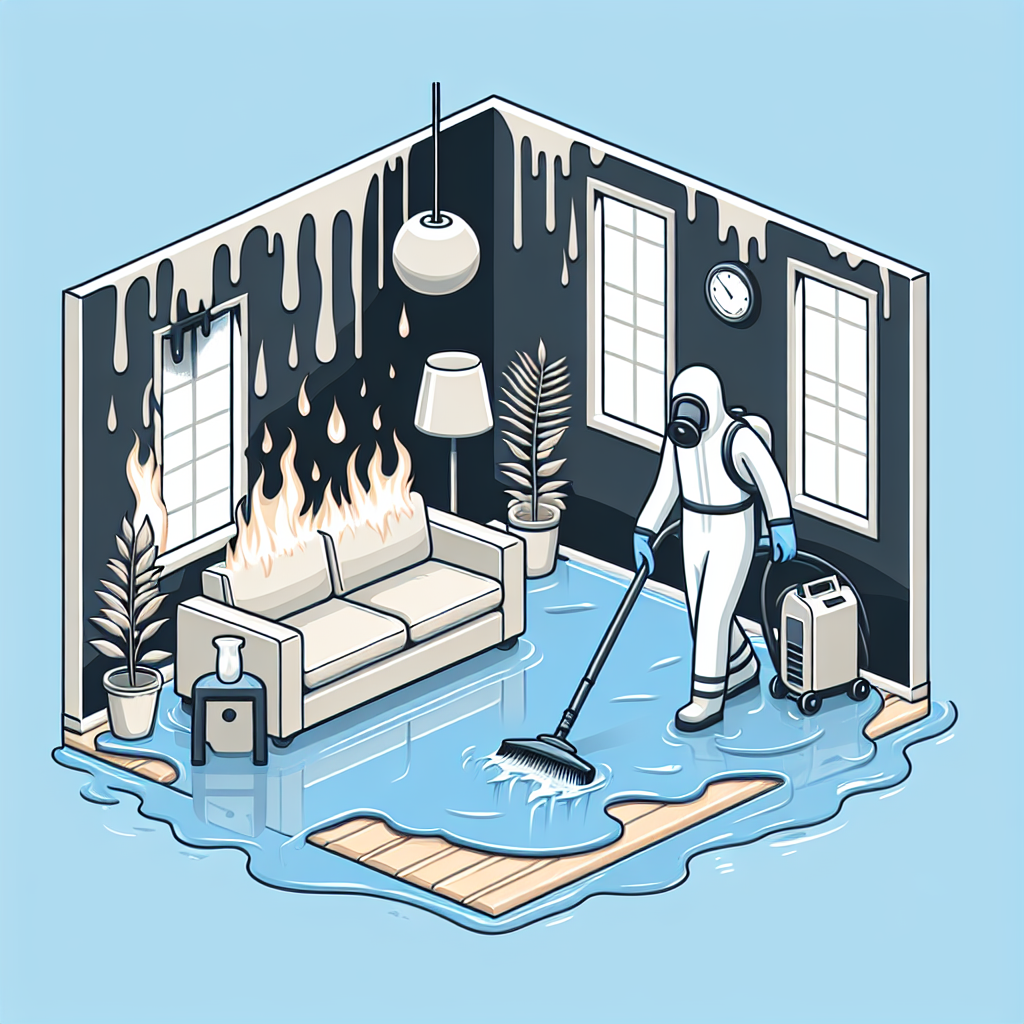
When disaster strikes in Nocatee, whether through the ravages of fire or the relentless nature of water damage, one of the most daunting tasks homeowners face is content cleaning. The aftermath of such incidents can leave belongings not only damaged but also potentially hazardous. This blog post delves deep into how content cleaning works after fire or water damage, emphasizing the importance of professional restoration and the processes involved.
Understanding Content Cleaning After Fire or Water Damage
Content cleaning refers to the meticulous process of cleaning, restoring, and salvaging personal belongings that have been affected by fire or water damage. Following an incident, the items within a structure can suffer from soot, smoke, ash, or water exposure. Each of these damages poses unique challenges and requires specific techniques to effectively restore the items.
Commonly, when people think about content cleaning, they focus on large, visible items—furniture, electronics, clothing—but many smaller, often overlooked items also need to be addressed. This could range from photographs and paper documents to kitchen utensils and delicate heirlooms. Understanding how to clean these different types of contents is crucial for long-term recovery and preservation.
The Process of Fire Content Restoration
Restoration from fire damage is multi-faceted and requires specialized knowledge. When fire occurs, smoke and soot can infiltrate various materials beyond what is immediately visible. Here’s an overview of the fire content restoration process:
1. Assessing the Damage
Before any cleaning or restoration can take place, experts will conduct a thorough assessment of the damage. This process involves inspecting the extent of the fire damage, noting which items can be salvaged, and determining how fire, smoke, and heat have affected them.
2. Removing Soot and Smoke Damage
Soot and smoke residues are not just unsightly; they can also be toxic. Professionals utilize specialized cleaning agents and techniques adapted to various materials—whether it’s fabric, wood, or metal—to remove soot and chemicals. They might use dry-cleaning methods, wet methods, or chemical treatments designed specifically for fire restoration.
3. Clarifying Contamination Levels
Determining whether an item is contaminated due to fire exposure is crucial. For example, certain items, like upholstery and mattresses, may require replacement rather than cleaning, as they can retain harmful substances. This assessment ensures that residents can safely retain as many belongings as possible without risking health hazards.
4. Deodorization Techniques
Even after soot is removed, fire salvos can leave an unpleasant odor lingering in materials. Effective deodorization is vital. Professional restorers may employ fogging, ozone treatment, or ULV (ultra-low volume) misting, methods effective for eliminating odors—ensuring that the cleaned items smell fresh and safe.
Water Damage Content Cleaning Strategies
Water damage can result from various sources, including floods, plumbing failures, or roof leaks. The process of content cleaning for water-damaged items is equally essential to fire damage restoration, given that water can promote mold growth, lead to structural damage, or compromise valuable belongings.
1. Initial Assessment and Removal
Just like after fire damage, the first step in water damage restoration is a thorough inspection. Items that are beyond saving need to be discarded immediately to prevent further damage. Wet belongings should be removed promptly to minimize water exposure time. This includes everything from carpets to furniture and personal items.
2. Water Extraction and Drying
After removing items, redundant water must be extracted from the area. This process often employs industrial-grade water extraction equipment. Additionally, drying techniques like dehumidification and air circulation are crucial in drying out affected belongings and preventing mold growth.
3. Cleaning and Sanitization
After drying, content cleaning proceeds with washing and sanitizing items affected by water. This step is critical because even clean water can lead to contamination. Professionals utilize specialized cleaning solutions to ensure that all bacteria, mildew, and potential pathogens are eradicated.
4. Restoration of Valuables
Key to successful content cleaning after water damage is the restoration of sentimental and high-value items. Professionals may employ different techniques, including freeze-drying for documents, textile restoration, and advanced cleaning methods for affected electronics, ensuring they are safe to use.
Engaging Professional Services for Effective Restoration
While some homeowners may feel tempted to tackle the content cleaning process independently, the potential risks—ranging from incorrect cleaning techniques to health hazards—underscore the importance of professional help. Experts in content cleaning and restoration are well-trained, equipped with the right tools, and understand the nuances of dealing with various types of damage.
The decision to hire content cleaning professionals can expedite the recovery process, ensuring belongings are treated with the utmost care and attention. Their knowledge in identifying which items are salvageable and the best restoration methods to employ can save time, money, and effort in the long run.
Tips for Homeowners During the Content Cleaning Process
If you find yourself in the unfortunate situation of dealing with fire or water damage, here are some helpful tips:
1. Document Everything
As soon as it’s safe, take photos and notes of all damaged items. This documentation will be valuable for insurance claims and restoration assessments.
2. Prioritize Safety
Avoid entering areas that may be structurally compromised. Use protective gear when necessary to minimize exposure to hazardous materials.
3. Act Quickly
Speed is crucial in content cleaning. The sooner you act, the higher the chances of salvaging items before they suffer irreversible damage.
4. Maintain Communication
Stay in touch with restoration professionals to stay updated on their findings and recommendations throughout the process.
Conclusion
Content cleaning after fire or water damage is an intricate process that requires expertise and attention to detail. From assessing damage to cleaning and deodorizing, each step is crucial for effective restoration. By understanding how these processes work and engaging professionals, homeowners can navigate the challenging aftermath of such disasters with greater ease and confidence. Ultimately, the goal is to restore both safety and peace of mind, ensuring that your home can feel like home again, filled with cherished belongings and free from the shadows of damage done.