

The Atlantic hurricane season runs June through November, and Jacksonville sits inside one of the most exposed metros on the East Coast. Even storms that never make landfall here can dump tropical moisture across Duval and St. Johns counties for days, and named systems that do hit deliver a brutal mix of wind-driven rain, storm surge, and inland flooding. The water damage profile of a Jacksonville home shifts dramatically during these six months — risks that simply do not exist in January become near-certain by August, and the restoration response has to scale accordingly.
This post walks through how hurricane season changes the water damage equation for Northeast Florida homeowners, what to expect from each storm phase, and how to prepare before the next named system spins up off the African coast.
Hurricane season (June 1 to November 30) increases water damage risk in Jacksonville through four mechanisms: wind-driven rain forced through compromised roof and wall assemblies, storm surge from the Atlantic and St. Johns River, freshwater flooding from saturated ground unable to absorb rapid rainfall, and tropical humidity that keeps post-storm interiors above the 60% threshold where mold establishes. NOAA records show Jacksonville receives roughly half of its annual rainfall during these six months.
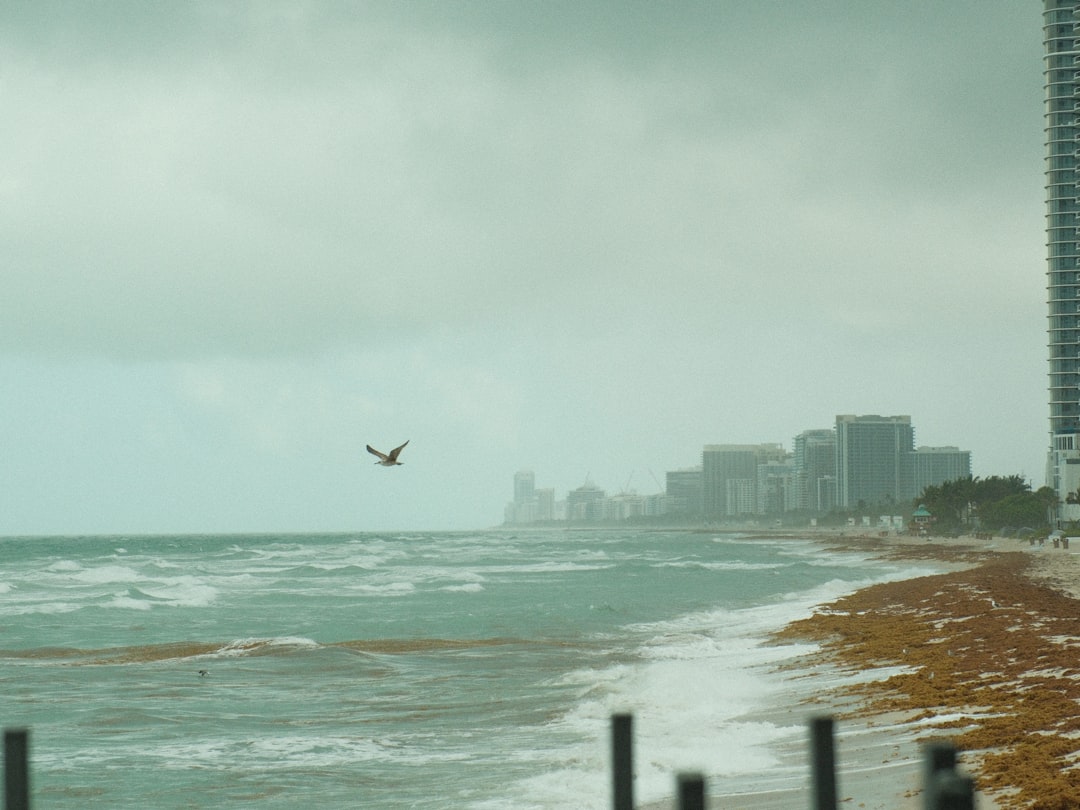
Most Jacksonville homes that suffer storm water damage do not face the eye of a hurricane. They face wind-driven rain — sustained tropical-storm-force winds (39-73 mph) that drive water horizontally into structures designed to shed vertical rainfall.
Soffit vents, ridge vents, and gable vents that handle normal airflow become water inlets when wind pressure exceeds their drainage capacity. Window flashing that holds against vertical rain fails under sustained horizontal pressure. Door thresholds, garage door seals, and even small siding gaps push water inside. Roof shingles that were marginal before the storm lift in the wind and let rain reach the underlayment, then the decking, then the insulation in the attic. From there, water tracks down wall cavities and shows up days later as stained drywall or musty smells in rooms far from the original entry.
The combination of older homes with single-wythe construction in established Jacksonville neighborhoods like Riverside, Avondale, and Springfield, and newer homes with more complex roof geometries in subdivisions across the Beaches, creates abundant water-entry points. Hello Elementor and similar themes call this the “exposure surface” — every penetration is a potential failure point during a sustained tropical event.
Storm surge is the rise in seawater pushed inland by a hurricane’s winds. Northeast Florida saw significant surge during Matthew (2016), Irma (2017), and Ian (2022). For homes near the Intracoastal Waterway — neighborhoods including Atlantic Beach, Neptune Beach, Jacksonville Beach, and parts of Ponte Vedra — surge can drive Category 3 water several blocks inland.
Storm surge is not clean ocean water. It contains sewage from overwhelmed treatment plants, runoff from roadways and yards, gasoline from displaced vehicles, and biological contamination from saturated soil. Under IICRC S500, any contact with surge water classifies materials as Category 3, requiring removal of porous materials rather than drying. EPA cleanup guidance specifically calls out floodwater as biologically hazardous regardless of how clear it looks.
Standard Florida homeowners insurance does not cover storm surge or ground flooding. Coverage requires a separate flood insurance policy through the National Flood Insurance Program (NFIP) or a private flood carrier. Jacksonville homeowners in mapped flood zones are typically required to carry NFIP coverage if they hold a federally-backed mortgage — but homeowners outside the zones often skip it and discover the gap only after a storm.
Not every flood comes from the ocean. Tropical systems can stall over Florida and dump 12+ inches of rain in 24 hours. The ground saturates, drainage systems back up, and freshwater pools in low-lying areas that have never flooded before.
Duval County’s drainage flows mostly through tributaries of the St. Johns River. When the river itself is high — from upstream rainfall, tidal pressure, or storm surge — those tributaries cannot drain efficiently and water backs up into neighborhoods like Arlington, San Marco, and parts of Mandarin. St. Johns County has its own drainage challenges around Julington Creek, Durbin Creek, and the marsh systems that border the Tolomato River.
Freshwater inland flooding is typically classified as Category 2 if cleanup begins promptly and Category 3 once it sits beyond 48 hours. The water entering through low foundations, garage thresholds, and ground-level windows is contaminated by yard chemicals, organic debris, and sometimes sewer overflow, but it lacks the saltwater corrosion problem that surge water creates.
The storm passes. The water recedes. The real restoration challenge begins.
NOAA climate data shows late summer in Jacksonville sustains outdoor relative humidity above 80%, with overnight lows that barely drop. Homes with damaged roofs, broken windows, or compromised seals cannot maintain interior humidity below the 60% mold-activation threshold EPA flags. Within 24-48 hours of a major storm, indoor humidity in unsealed homes often climbs into the 80% range — perfect conditions for mold colonies to establish across surfaces that survived the water itself.
Hurricane-driven power outages remove A/C and dehumidification just when the home needs them most. A Jacksonville home without power for 72 hours after a Category 1 hurricane often has more mold damage than water damage by the time crews arrive. IICRC S520 guidance recommends restoring controlled climate as the first stabilization step after structural drying begins.
During hurricane season, restoration response in Northeast Florida operates differently than the rest of the year.
Major storms generate hundreds of simultaneous restoration calls across the metro. Teams triage by severity — Category 3 active water before Category 2 active water, occupied homes before vacant properties, structural risk before cosmetic damage. Homeowners who document the loss thoroughly and provide accurate scope descriptions get serviced faster because the triage decision is clearer.
After a major storm, drying equipment becomes scarce. Commercial dehumidifiers, air movers, HEPA filtration units, and even basic supplies like polyethylene sheeting and Tyvek run short across the regional rental supply. Restoration companies that maintain owned inventory rather than relying entirely on rental can sustain response capacity longer.
Carriers stage adjusters in Jacksonville before and after named storm landfalls. The restoration team that documents losses to IICRC standards from arrival — moisture readings, room-by-room photographs, scope written in adjuster-friendly language — clears claims faster than teams that show up, demo, and bill.
The official Atlantic hurricane season runs from June 1 through November 30, with peak activity historically falling between mid-August and mid-October. Jacksonville is most exposed during this peak window, but late-season storms in October and November can still bring significant rain and wind to Northeast Florida.
Standard Florida homeowners insurance generally covers wind-driven rain that enters through storm-damaged building components like a roof breach. Storm surge and ground flooding are typically excluded and require separate flood insurance. Hurricane deductibles — often a percentage of the dwelling coverage — apply to most named storm losses.
Within the first 24 hours if at all possible. Florida humidity drives mold growth within 24-48 hours, and post-storm power outages often eliminate A/C — accelerating the timeline. Document the loss immediately and start mitigation as soon as the property is safe to enter. NOAA and CDC both publish post-storm safety guidance worth reviewing before re-entry.
Only if it has power, is sized correctly, and is operating against an intact building envelope. A hurricane-damaged home with breached windows or roof penetrations is pulling humid outdoor air across the dehumidification coil faster than the A/C can dry it. Mold can establish even with the A/C running if the home is not sealed.
Storm surge is seawater pushed inland by a hurricane’s winds and low pressure — typically affecting coastal and Intracoastal-adjacent properties first. Ground flooding is freshwater accumulating in low-lying areas from heavy rainfall and saturated soil — affecting homes far from the coast. Both require flood insurance for coverage; standard homeowners policies generally exclude them.
Hurricane season is not one risk — it is a stack of overlapping risks that converge in June and stay through November. Wind-driven rain is the most common cause of post-storm water damage. Surge is the most catastrophic. Inland flooding catches homeowners who never considered themselves at risk. And the humidity that follows every storm gives mold a head start the moment the water enters.
Rainbow Restoration of Deerwood maintains storm-season response capacity across the Jacksonville metro — including coastal neighborhoods like Atlantic Beach and inland areas like Southside, plus St. Johns County communities such as St. Augustine. Our water damage restoration team classifies every loss against IICRC S500 from arrival, and the mold remediation team is standing by because, in this climate, the two jobs are usually one job.
Before the next storm spins up: review your policy, confirm your flood coverage if you need it, and know who you are calling when the water arrives.