

In most of the United States, professional mold inspection is something homeowners think about only after a water event or when something is visibly wrong. In Northeast Florida, the climate makes routine inspection a maintenance item — closer to changing HVAC filters than calling a specialist for an emergency. Homes that look fine from the outside can have active colonization in attics, crawl spaces, behind walls, and inside HVAC plenums simply because the ambient conditions never become hostile to mold for long.
This post walks through how often Jacksonville homeowners should inspect for mold, what triggers an off-schedule inspection, and what a competent mold inspection in a Florida home actually covers.
How Often Should I Have My Florida Home Inspected for Mold?
For most Jacksonville homes, an annual visual mold inspection — typically done as part of broader home maintenance — is the right baseline. Add an inspection after any significant water event (storm, plumbing leak, appliance failure), after any HVAC component replacement, before any real estate transaction, and whenever household members develop unexplained respiratory or allergy symptoms. Florida’s climate puts mold pressure on homes year-round, so passive monitoring (smell, visible signs) supplements but does not replace periodic professional inspection.
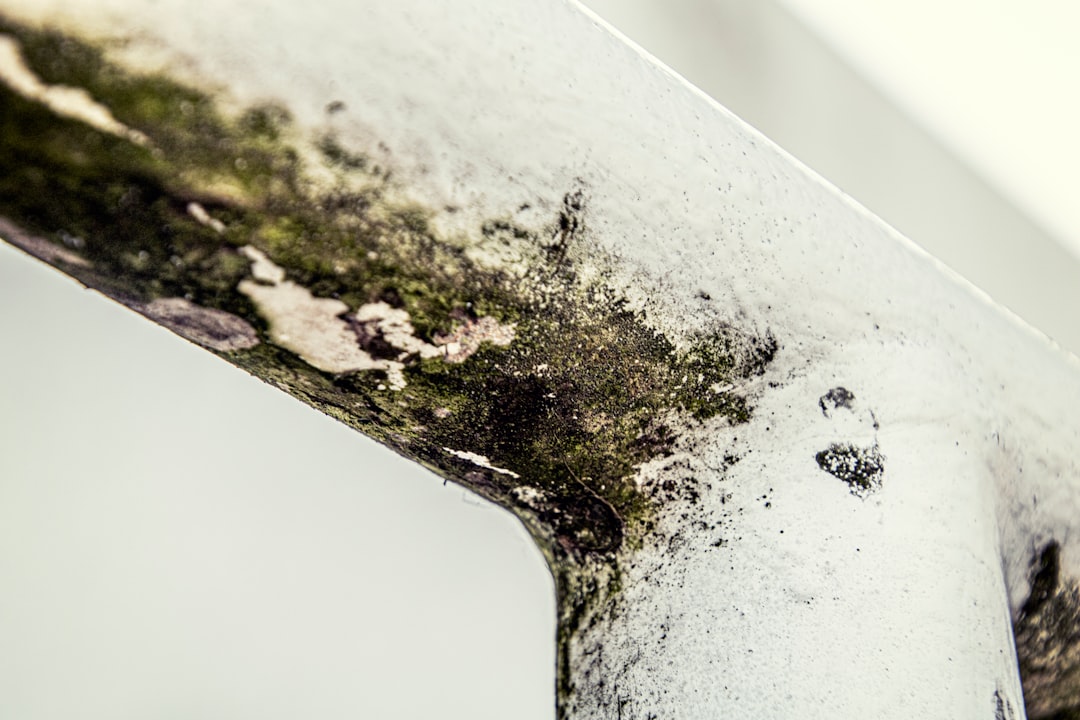
Why Florida Demands More Frequent Inspection
The combination of climate, building stock, and lifestyle creates conditions where mold can establish without obvious triggers.
Climate baseline
NOAA records show Jacksonville averaging around 75% relative humidity year-round. EPA mold guidance identifies 60% sustained indoor humidity as the activation threshold. The math is uncomfortable: even well-maintained homes drift close to or above the threshold during shoulder seasons when A/C cycles less, and especially during summer months when storms and humidity push indoor conditions into the unfavorable range.
Building stock variation
Older Jacksonville neighborhoods — Riverside, Avondale, Springfield, Murray Hill — have construction from eras with different moisture management approaches. Crawl space ventilation strategies, vapor barriers (or their absence), and original drainage systems vary widely. Some 1920s-1940s homes have functioned remarkably well; others have moisture issues that compound over decades.
Newer subdivision risks
Newer construction in St. Johns County and outer Duval has its own profile. Tightly-sealed envelopes can trap interior moisture if HVAC sizing or ventilation is inadequate. Crawl space encapsulation done partially or incorrectly can create worse conditions than vented designs. Even brand-new construction has been the subject of post-occupancy mold claims when systems were misconfigured.
Lifestyle factors
Two-income households often run A/C at higher setpoints during the day to save energy, which extends the humidity-exposure window. Frequent travelers may shut off HVAC for extended periods, allowing humidity to climb. Pet ownership, indoor plants, and high-occupancy cooking all add to indoor moisture load.
When to Inspect Off-Schedule
Several events warrant a mold inspection regardless of when the last one happened.
After any water event
A burst pipe, an appliance failure, a roof leak, a storm with interior water — any of these warrants inspection 2-4 weeks after remediation completes. The inspection confirms the moisture remediation was successful and catches any colony that established in spaces the original restoration scope did not address.
After HVAC work
Replacement of an A/C unit, replacement of ductwork, or major HVAC repairs can affect interior humidity control. An inspection 30-60 days after major HVAC work confirms the system is maintaining target conditions and the changeover did not expose dormant contamination.
During real estate transactions
Buyers in Northeast Florida should arrange mold inspection as part of due diligence. Sellers preparing to list can proactively inspect to identify and remediate before showings begin. Florida disclosure law requires sellers to disclose known mold issues; an inspection clarifies what is known.
When occupant symptoms suggest indoor air issues
Persistent congestion, headaches, asthma exacerbation, or unexplained allergy-like symptoms that improve when household members leave the home. CDC indoor air quality guidance identifies this pattern as a flag warranting environmental assessment.
When you smell something musty and cannot find the source
The smell almost always has a source. If casual investigation does not identify it (visible mold, recent water event), a professional inspection with appropriate tools (moisture meters, thermal imaging) often does.
What a Florida Mold Inspection Actually Covers
A competent residential mold inspection in Northeast Florida includes more than walking through the home looking at baseboards.
Visual inspection
Every accessible space — living areas, bathrooms, kitchens, laundry rooms, closets, garage, attic, crawl space, attached outbuildings. The inspector looks for visible spotting, discoloration, water staining, surface efflorescence, and signs of past or current moisture intrusion.
Moisture measurement
Pin and pinless moisture meters take readings on materials throughout the home. Elevated moisture content in materials that should be dry indicates active moisture sources even when no visible mold is present. ASTM standards govern these measurements.
Humidity and temperature
The inspector documents indoor relative humidity and temperature at multiple points and compares to the conditions that mold needs to grow. Persistently high humidity in specific rooms (often basements, lower floors, or rooms with poor circulation) indicates conditions favorable to future mold growth even if no current contamination exists.
Thermal imaging (when warranted)
Infrared cameras reveal temperature differentials that often indicate hidden moisture — wet drywall, saturated insulation, or active leaks behind walls. Not every inspection requires thermal imaging, but it adds significant value when moisture sources are suspected but not visible.
HVAC component inspection
Accessible parts of the HVAC system — return registers, supply registers, air handler closet — are examined for visible biological growth or excessive dust accumulation that suggests poor filtration. Major contamination warrants further investigation with duct cleaning specialists.
Sampling (when indicated)
Air sampling, surface sampling, or ERMI (Environmental Relative Moldiness Index) dust analysis can quantify the indoor mold environment. Most routine inspections do not require sampling; situations warranting sampling include unclear symptoms, real estate disputes, or post-remediation verification.
What Routine Inspection Cannot Do
Setting expectations matters. Annual inspection is preventive maintenance, not insurance against all mold.
It is a snapshot
The inspection captures conditions at the time of the visit. A leak that develops the next month will not be identified until the next inspection or until visible signs appear. Inspection complements but does not replace ongoing attention to indoor conditions.
Hidden contamination requires investigation
Mold inside wall cavities, behind built-in cabinets, or in inaccessible attic sections may not be identified during visual inspection unless other indicators (moisture readings, thermal imaging, occupant symptoms) lead the inspector to investigate further.
Sampling has limits
Air samples represent a moment in time and a single physical location. ERMI dust analysis represents accumulated dust over an unknown period. Both provide useful information but neither is definitive on its own. Sampling supplements visual and instrumentation-based inspection rather than substituting for it.
Frequently Asked Questions
How much does a residential mold inspection cost in Jacksonville?
Pricing varies based on home size and scope. A basic visual inspection of a typical Northeast Florida single-family home is generally affordable enough to fit comfortably into annual maintenance budgets. Inspections that include thermal imaging or sampling cost more. Get a written quote before scheduling; reputable inspectors are transparent about pricing.
Do I need an inspector or can my home inspector check for mold?
A standard home inspection covers visible signs of mold as part of the broader inspection. For dedicated mold investigation, a licensed Florida mold assessor (separate licensure under state law) brings specialized training and equipment. Use a home inspector for general home health, a mold assessor for focused mold investigation.
Will my insurance cover a mold inspection?
Generally no for routine inspection. Insurance typically covers mold-related work only after a covered loss. Routine inspection is preventive maintenance, treated as a homeowner expense. Some carriers offer discounts for documented periodic inspections in older homes.
Should I inspect before or after hurricane season?
Both, if budget allows. Before hurricane season identifies pre-existing issues that should be remediated before storm risk peaks. After hurricane season catches any storm-driven contamination that established during the active months. If you can do only one, post-season (December-February) is typically more revealing.
What should I do if the inspector finds mold?
Get the inspection report in writing. Discuss the scope and severity with the inspector. For small visible contamination with an identified moisture source, a licensed Florida mold remediation contractor can typically remediate within days. For larger areas or unclear sources, a more comprehensive assessment may be the right next step before remediation begins.
The Bottom Line for Northeast Florida Homeowners
Living in Jacksonville means living in mold’s preferred climate. Annual inspection, plus off-schedule inspection after specific triggers, is the routine maintenance that catches problems before they become major remediation projects. The cost of a routine inspection is significantly less than the cost of remediating mold that went undiscovered for a year.
Rainbow Restoration of Deerwood works with homeowners across Southside, Atlantic Beach, and St. Augustine on mold issues when they are found. Our mold remediation team operates under IICRC S520, and when investigation reveals water damage history that contributed to the colony, the water damage restoration team coordinates the moisture source remediation.
Inspect annually. Inspect after events. Inspect when something feels wrong. In this climate, those three habits prevent most mold problems from becoming serious.