

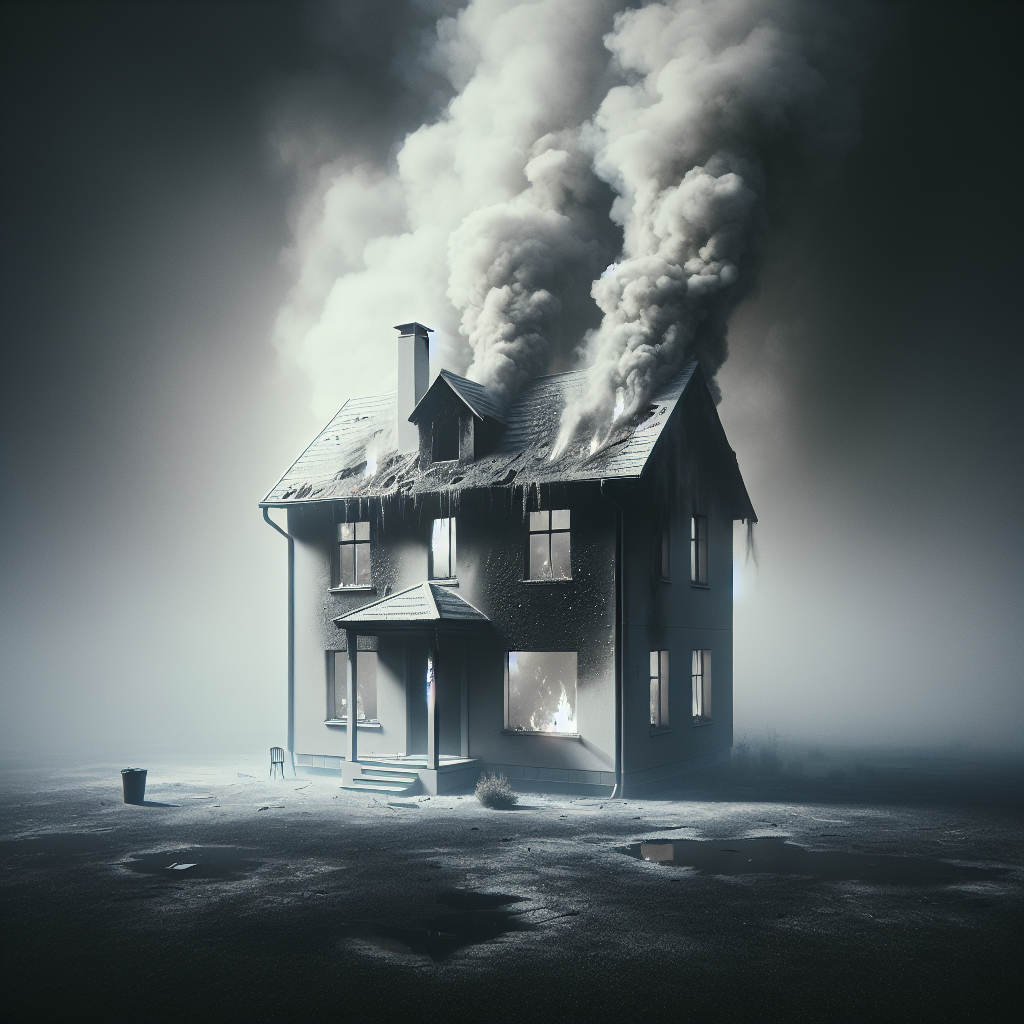
When a fire breaks out in your home, the aftermath can be devastating—not only because of the visible destruction, but also due to the lingering effects of smoke and soot. For homeowners in Nocatee, this hidden damage can be especially overwhelming. While flames can tear through structures in minutes, smoke can seep deep into walls, furniture, and personal belongings, causing harm that isn’t immediately obvious. Soot, a byproduct of incomplete combustion, can settle across surfaces and continue damaging materials long after the fire is out. Understanding how smoke and soot impact your home is essential for effective cleanup and for restoring your space to its pre-fire condition.
Understanding Smoke Damage
Smoke damage is a nuanced issue that extends beyond simple discoloration. Several factors influence the degree of smoke damage in your home, including the type of materials that burned, the intensity of the fire, and the air flow during the event. Smoke particles can linger long after flames are extinguished, infiltrating walls, furnishings, and insulation. It not only leads to aesthetic issues but can also pose health risks if not properly addressed.
The Anatomy of Smoke Damage
When a fire occurs, it releases a cocktail of chemicals and particulate matter into the air. This smoke contains carbon monoxide, soot, and volatile organic compounds (VOCs). These substances can settle on surfaces, embedding themselves into items like carpeting, furniture, and drywall.
The long-term effects of not addressing smoke damage include:
- Structural Integrity Compromise: Walls and roofs can weaken over time due to unaddressed issues caused by smoke.
- Unpleasant Odors: Smoke has a way of embedding itself into porous materials, creating an odor that can linger for years.
- Health Risks: Many of the chemicals produced in smoke can lead to potential respiratory issues if inhaled.
Soot and Its Effects on Your Home
Soot is one of the most visible consequences of a fire and can seem overwhelming. This black, powdery residue is composed of carbon, and its presence can be indicative of incomplete combustion.
Identifying Soot Damage
You might notice soot in various forms:
- Light residue: A few light stains on surfaces like walls or ceilings.
- Heavy grime: Thick deposits that require immediate attention, often seen around vents or light fixtures.
- Embedded marks: Soot can get into the fabric of upholstery and carpets, making them difficult to clean without professional intervention.
Additionally, soot doesn’t just affect aesthetics; it can stain and damage surfaces. It is corrosive and can tarnish metals, leading to long-term damage if not cleaned up in time.
Soot Removal: The Cleaning Process
Removing soot requires a meticulous approach. First and foremost, safety should be your priority. Wear protective gear such as masks, gloves, and goggles. This action minimizes your exposure to potentially harmful particles. Soot removal can often be a task best handled by professionals, but here are steps you can take:
Assess the Damage
Identify the areas heavily affected by soot. This often includes:
- Walls
- Ceilings
- Furnishings
- Textiles
Cleaning Techniques
1. **Dry Cleaning Method**: For light soot damage, using a dry cleaning sponge can lift soot without making a mess.
2. **Wet Cleaning Method**: For deeper stains, a mixture of water and a gentle detergent can be used, but make sure to test a small area first to avoid damaging surfaces further.
3. **Odor Removal**: After cleaning, you might still notice lingering odors. Baking soda can help absorb smells, or you may wish to use specialized odor neutralizers.
The Professional Approach to Smoke and Soot Cleanup
When dealing with extensive smoke and soot damage, it’s wise to consider hiring professionals. Restoration companies have the tools and experience to handle such situations effectively. They use advanced equipment to not only remove soot but also treat air quality and eliminate odors.
When to Call Professionals
Some signs that denote you should bring in the experts include:
- Extensive fire damage with widespread soot deposits.
- Persistent odors that resist standard cleaning methods.
- Concerns for health safety due to potential toxic exposure.
Professional soot removal and restoration can save you time and reduce long-term repair costs, making it a worthwhile investment.
Preventing Future Smoke Damage
After experiencing a fire, it can be unsettling to think about it happening again. However, there are preventative measures that you can employ.
Install Smoke Detectors
Regularly check and replace smoke detector batteries. This can save lives and reduce damage should a fire occur.
Maintain Electrical Systems
Ensure your home’s wiring is up to code and routinely checked to prevent electrical fires. Surprise visits from a qualified electrician can make all the difference.
Have A Fire Safety Plan
Creating a family fire safety plan can prepare everyone in the event of a fire. Ensure all family members know the exits and meet-up spots.
Conclusion
Smoke and soot damage can severely disrupt your life and home, and dealing with it requires understanding and action. From cleaning to professional restoration, it’s crucial to address these issues head-on. Smoke damage not only affects the physical structure of your home but can also linger on a psychological level. Remember, taking preventative measures is essential for protecting your home and loved ones. After all, keeping your dwelling safe and livable should always be a top priority.