
Detecting hidden water damage in Nocatee homes can be a daunting task. It’s often elusive, lurking behind walls, in ceilings, or beneath flooring, quietly causing destruction long before it becomes visible. Traditional methods of inspection may not always reveal the underlying issues, which is where thermal imaging comes into play. This advanced technology allows professionals to identify leaks and moisture intrusion that aren’t immediately apparent to the naked eye. Understanding how thermal imaging works will empower homeowners to protect their properties from the detriments of hidden water damage.
What is Thermal Imaging?
Thermal imaging, also known as infrared thermography, is a non-invasive diagnostic tool that captures images of objects in infrared radiation. Unlike conventional photography, which relies on visible light, thermal imaging detects heat emitted from surfaces. Every object emits infrared radiation, and thermal cameras are designed to visualize this energy. When it comes to identifying issues like hidden water damage, thermal imaging is particularly advantageous.
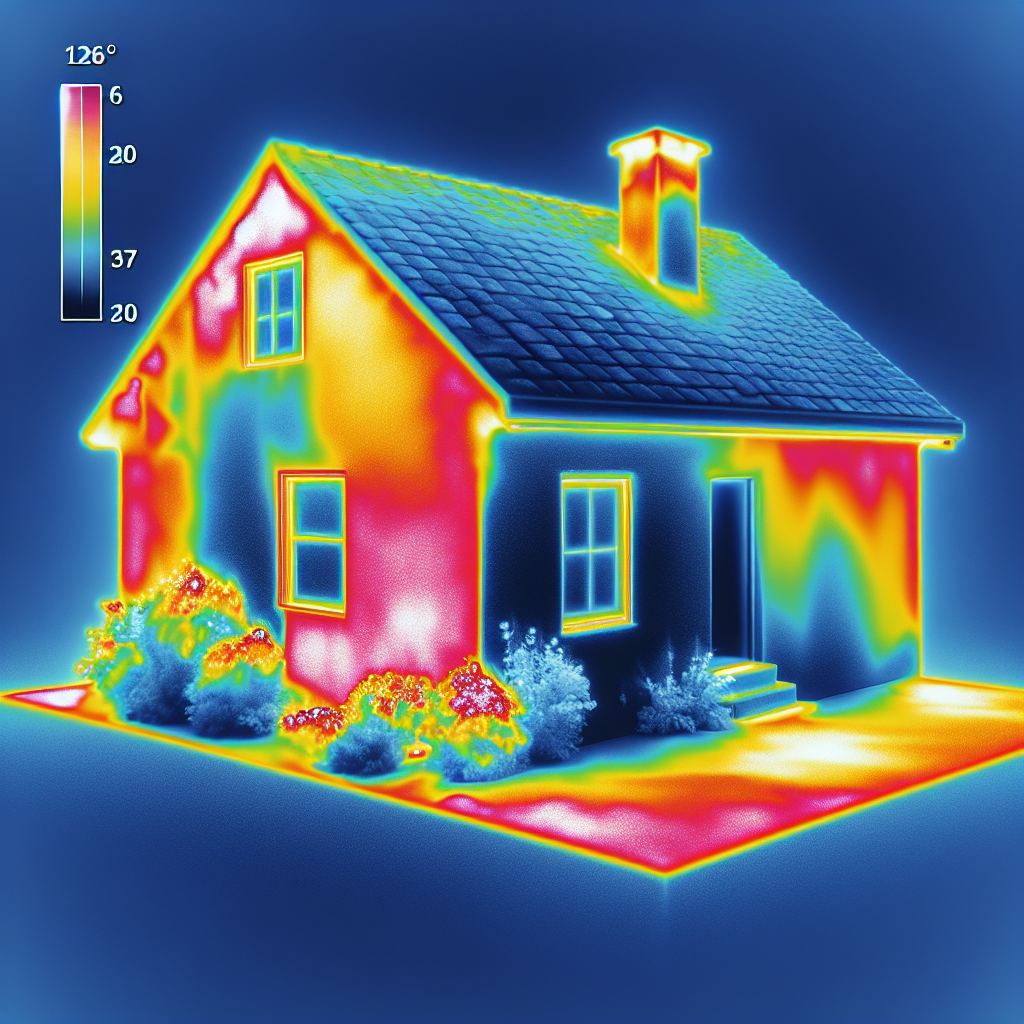
When there’s hidden water damage in a building, it can create temperature changes on the surface of walls and ceilings. These temperature differences can be detected by a thermal camera, producing images called thermograms. When analyzed correctly, these images provide invaluable insights into the condition of structures, revealing where moisture is trapped and indicating potential water damage.
How Does Thermal Imaging Identify Water Damage?
Thermal cameras detect subtle changes in temperature. Water has a different thermal conductivity compared to other building materials like wood, drywall, or concrete. When water seeps into these materials, it alters their temperature profile, which can be picked up by a thermal imaging camera. Here’s how the process works:
1. Scanning the Environment
A trained technician will begin by scanning the environment with a thermal camera. The camera captures a panoramic view of the area and converts heat emitted from surfaces into an image. Areas with water damage will often appear cooler in the image compared to surrounding areas. This stark contrast helps in pinpointing the problem areas quickly.
2. Analysis of Thermal Images
After capturing the thermal images, the technician analyzes them. They look for cool spots that suggest moisture presence. It’s important to interpret these images correctly; improper analysis can lead to false assumptions. Professionals rely on their training and experience to ensure accurate identification of potential leaks or moisture accumulation.
3. Correlating with Other Tools
While thermal imaging is powerful on its own, it becomes even more effective when combined with other tools. Moisture meters, for example, can be used together with thermal imaging to confirm the presence and extent of water damage. This combination allows for a comprehensive assessment, ensuring no hidden issues are overlooked.
Advantages of Using Thermal Imaging for Water Damage Detection
Using thermal imaging to detect hidden water damage comes with several benefits. First, it is a non-invasive method, which means there is no need to cut into walls, floors, or ceilings, preserving the integrity of the structure. Second, it provides immediate visual evidence of temperature differences, helping professionals to pinpoint issues quickly. Here are some additional advantages:
1. Speed and Efficiency
Traditional inspection methods often take considerable time and effort to pinpoint issues. Thermal imaging significantly reduces this time. What used to take hours or even days can now be accomplished within minutes. Inspections become more efficient, enabling technicians to assess larger areas in a shorter time frame.
2. Early Detection of Moisture Issues
The earlier water intrusion is detected, the less damage it can cause. Thermal imaging allows for early detection of water damage, preventing small leaks from turning into extensive repair projects. Proactive measures can be implemented, saving homeowners from costly repairs down the line.
3. Enhanced Safety
Hidden water damage can lead to hazardous conditions, such as mold growth or compromised structural integrity. Thermal imaging reduces the need for invasive inspections that might expose workers or household members to harmful aspects of demolition or reconstruction processes. Safety protocols are thus more manageable with thermal technology in place.
Limitations of Thermal Imaging in Water Damage Detection
While thermal imaging is a valuable tool, it’s essential to acknowledge its limitations. Not every cool spot identified in a thermal image signifies water damage; it could also indicate other issues such as air leakage or thermal bridges. Here are a few limitations to keep in mind:
1. Requires Technical Expertise
Interpreting thermal images is not straightforward. It requires specialized training and knowledge. Without proper expertise, it is easy to misinterpret the results, leading to inaccurate conclusions about water damage.
2. Environmental Factors
Environmental conditions can affect the accuracy of thermal readings. Climate, time of day, and even the season can play a role in how surfaces emit temperature. The presence of sunlight or considerable heat from other sources can impact thermal imaging results.
3. Limited to Surface Detection
Thermal imaging primarily detects surface temperature differences, which means it cannot always identify issues deeper within the walls or designs. While it provides a great starting point, it should be complemented by other methods for thorough inspection.
Best Practices for Using Thermal Imaging in Water Damage Inspection
To harness the full potential of thermal imaging for detecting hidden water damage, it’s essential to follow best practices. Here are some guidelines to keep inspections efficient, accurate, and productive:
1. Use Trained Professionals
Always hire a certified professional with experience in thermal imaging inspections. Their expertise ensures accurate readings and analysis, which is critical for effective damage assessment.
2. Perform Inspections Continuously
Consider regular thermal imaging inspections, particularly in areas that are prone to water exposure. Proactive checks can catch potential issues before they escalate into significant damage, saving time and money.
3. Combine Techniques
Use thermal imaging in conjunction with other inspection methods. A comprehensive approach allows for better accuracy in diagnosing problems. Moisture meters, borehole inspection, and visual checks should form part of a complete assessment strategy.
Conclusion
In summary, thermal imaging offers a cutting-edge solution for detecting hidden water damage in homes and buildings. Its ability to identify moisture by revealing temperature differences on surfaces makes it an invaluable tool for professionals. By understanding the science behind thermal imaging and incorporating it into your inspection protocol, you can protect your investment from the risks associated with hidden water damage. As technology continues to advance, the effectiveness of thermal imaging in the realm of property inspection will only increase, helping homeowners better safeguard their properties against the silent threat of hidden water damage.