

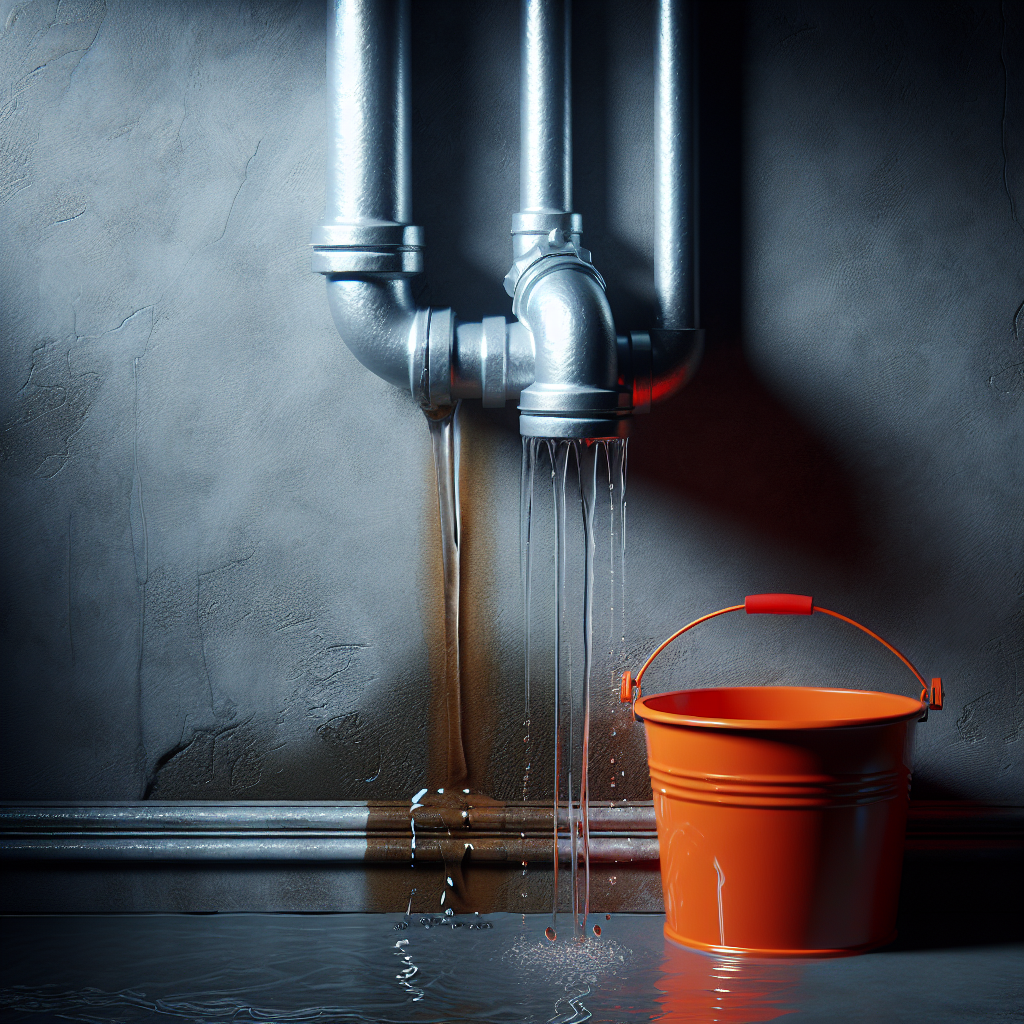
After a water leak, one of the most pressing concerns is the potential for mold growth. In areas like Nocatee and Ponte Vedra Mold thrives in damp conditions and can develop within 24 to 48 hours after water exposure. Understanding how to prevent mold after a water leak is crucial for protecting your home and health. In this blog post, we’ll explore effective strategies for mold prevention and water damage cleanup.
Assess the Damage Immediately
To begin mold prevention, you must first assess the water damage. Identify the source of the leak and stop it if it’s still ongoing. Whether it’s a burst pipe or an overflowing sink, it’s essential to fix it to prevent further exposure to moisture. Once contained, check the extent of the damage to your belongings and the building structure itself.
Check for Affected Areas
Look at floors, walls, and ceilings for signs of water damage. If materials feel wet, soggy, or stained, they may house mold if not treated properly. Pay special attention to hidden areas, such as behind cabinets or under carpets, where moisture can linger unnoticed. Use a moisture meter if possible; this will help provide a clearer picture of areas that still contain excessive moisture.
Dry Everything Out
After assessing the water damage, drying is your next step in mold prevention. Removing water is crucial to avoid mold growth.
Use Fans and Dehumidifiers
Set up fans and dehumidifiers in the affected areas to circulate air and remove humidity from the air. Fans help increase airflow, while dehumidifiers extract excess moisture. Ideally, keep these devices running for several days until you can confirm the area is completely dry.
Open Windows and Doors
Natural ventilation can do wonders for your home. Open windows and doors to allow fresh air to circulate. If weather permits, this can greatly speed up the drying process. Just ensure that the outside air isn’t humid, as this could exacerbate the problem rather than alleviate it.
Remove Damaged Materials
Some materials may need to be discarded if they’re too severely damaged.
Evaluate Carpets and Padding
Carpets and padding soaked through with water may not be salvageable. While some may be cleaned, the risk of mold development makes it safer to replace them entirely. If you suspect mold already present, it’s wise to dispose of these items.
Inspect Drywall and Insulation
Like carpets, drywall and insulation can be breeding grounds for mold. If they remain wet for too long, they should also be removed and replaced. If you have insulation in the ceiling or wall cavities that has become wet, a professional cleanup may be necessary.
Focus on Cleaning and Disinfecting
Once everything is dry and damaged materials are cleared, focus on cleaning surfaces. To aid in mold prevention, you need to ensure that no mold spores are left behind.
Use Mold-Killing Solutions
Employ bleach, vinegar, or dedicated mold-cleaning solutions to scrub down walls and surfaces. Always follow safety guidelines when using chemical cleaners:
– Wear gloves and a mask to avoid irritation.
– Ensure ample ventilation.
– Always follow manufacturer instructions for proper use.
Pay Attention to Hidden Areas
Don’t forget places that might not be visible. Move furniture, open closets, and inspect any nooks and crannies. Mold can hide in these spaces, so it’s best to take extra care to clean everything.
Monitor Humidity Levels
Keeping an eye on humidity levels within your home is essential for ongoing mold prevention after a water leak. Ideal indoor humidity should be between 30% and 50%. If levels remain high, even after drying, then mold could return.
Use Humidity Monitors
Invest in a hygrometer, a device that measures indoor humidity. This can alert you to high humidity levels, helping you take preventive action: running dehumidifiers and ventilating areas as needed.
Maintain Good Ventilation
Ensure that areas prone to moisture, like kitchens, bathrooms, and basements, have proper ventilation. Install exhaust fans where necessary and keep doors open to promote air circulation.
Regular Maintenance is Key
Prevention doesn’t stop after the cleanup process. Regular home maintenance can significantly lower the risk of future water leaks.
Inspect Your Roof and Gutters
Check your roof for any signs of damage, missing shingles, or leaks. Clean gutters and downspouts to ensure proper water flow away from your home. These simple preventative measures can save you from major water issues down the line.
Plumbing Checks
Consider having a professional inspect your plumbing system annually. This can spot potential trouble before it becomes a significant leak. Fixing small issues can save you from the headaches of extensive water damage and mold removal.
What to Do if Mold Develops
Despite your best efforts, sometimes mold may still find a way to develop. If you notice any sign of mold after a leak, take action immediately.
Call in Professionals
If the mold covers an area larger than ten square feet, you should reach out to mold remediation specialists. These professionals can effectively remove mold and ensure that it doesn’t return.
Health Precautions
If you are sensitive to mold or have underlying conditions, it’s crucial to minimize exposure. Wearing protective gear, like masks and gloves, is essential when dealing with moldy areas. Keep windows open during dusting to enhance air circulation, but consider whether it’s safe to enter the space.
Conclusion
Preventing mold after a water leak requires immediate action, thorough drying, and consistent monitoring. The cleanup process is vital, but so is ongoing maintenance and vigilance. Familiarize yourself with mold prevention strategies and always be proactive about damp conditions in your home. Make these practices a routine, and you can beat the odds of mold taking root in your living space. Stay safe and informed, and ensure your home remains a healthy living environment.