

The kitchen is where most house fires start. Cooking equipment causes nearly half of all U.S. residential structure fires according to NFPA data, and even a small grease flare that gets contained in under a minute leaves smoke, soot, and chemical residue throughout the home. In Jacksonville, the combination of frequent power surges from summer storms, older electrical service in established neighborhoods like Riverside and Murray Hill, and the high humidity that locks soot onto surfaces makes kitchen fire recovery more involved than homeowners typically expect.
This post walks through what kitchen fire damage actually does to a Northeast Florida home, why the visible scorch is the smaller part of the problem, and how professional restoration approaches each part of the recovery.
After a kitchen fire, ensure everyone is safe and the fire is fully extinguished (have the fire department confirm), then leave windows and doors closed if possible to contain soot migration, photograph everything before cleaning, contact your insurance carrier, and call a restoration company that operates under IICRC S700. Do not wipe walls or surfaces yourself — improper cleaning can permanently set soot into porous materials and increase your restoration cost.
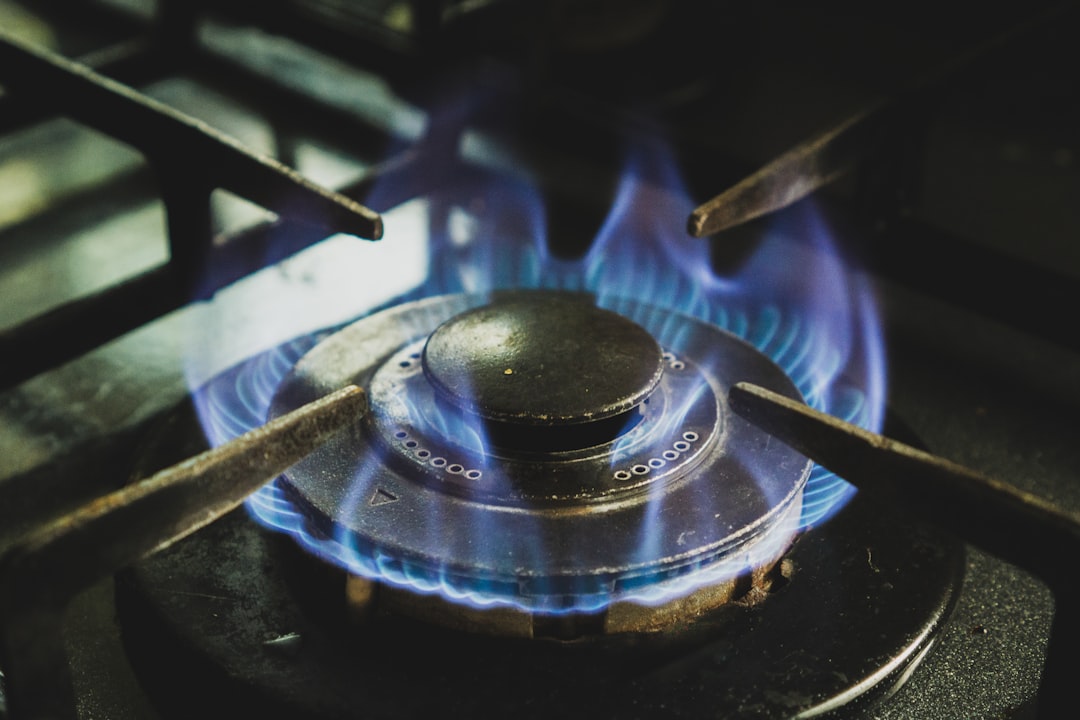
A small grease fire at the stovetop scorches the immediate area — the range hood, the wall behind, maybe a section of cabinetry. The visible damage looks contained. What homeowners cannot see is the smoke and soot that moved through the entire house in the minutes the fire was active.
Smoke follows pressure gradients. The hot air rising from the fire creates negative pressure at ground level, which pulls room air toward the fire. The smoke that does not vent through windows or doors recirculates through HVAC returns, settles into wall cavities, and coats every horizontal surface in the home — including surfaces in rooms with closed doors.
Soot is acidic. It contains particles of partially-combusted cooking oils, plastics from any burned packaging, and the chemical residue of fire suppressants if anyone used an extinguisher. Within hours, these particles begin etching into porous surfaces: drywall, painted woodwork, textiles, electronics, and the inside of HVAC ductwork. Florida humidity accelerates this etching because the moisture in the air helps the acidic compounds bond to surfaces faster than they would in dry climates.
The IICRC S700 standard for fire and smoke damage restoration categorizes smoke residue by the material that burned. Kitchen fires typically produce a combination of all three.
Burned proteins from food — meat, dairy, oils — create a near-invisible residue with a powerful, lingering odor. Protein soot does not look like much, which is why DIY cleanups fail. Homeowners wipe the visible smoke off the surfaces, and weeks later the entire house smells like burned bacon every time the humidity climbs. Cleaning protein residue requires specific enzymatic cleaners and complete coverage of every affected surface.
Slow-smoldering kitchen fires — like a low flame on a grease pan that runs unnoticed for an hour — produce wet smoke. It’s sticky, dense, and heavily pigmented. Wet smoke smears when wiped, so cleaning has to start with dry methods (vacuum, dry sponge, soda blasting in some cases) before any wet cleaning happens.
Fast-burning kitchen fires — paper bags, dish towels, plastic wrap igniting on a hot surface — produce dry smoke. The residue is powdery and easier to clean from non-porous surfaces, but it migrates further than wet smoke and embeds deeper into textiles and porous materials.
Every kitchen fire in a Florida home is also an HVAC fire damage event, even if the flames never reached the unit.
When the fire is active, the HVAC return draws smoke-laden air into the ductwork. The soot deposits on duct walls, on the evaporator coil, on the blower wheel, and in any filter media present. Once the fire is out, every time the A/C cycles on, it redistributes that soot throughout the home — including into rooms that were sealed during the fire.
Year-round A/C operation in Jacksonville means the HVAC is almost always running. Homeowners who clean the visible kitchen damage but skip ductwork remediation discover the soot redistribution within days. Proper restoration includes HVAC inspection, duct cleaning to NADCA standards, evaporator coil cleaning, and blower wheel cleaning before the system returns to normal operation.
Kitchen fires damage contents through three mechanisms: direct heat exposure, smoke deposition, and water from suppression efforts. Each requires different handling.
Most non-porous items — glass, metal, ceramic, sealed plastics — clean up successfully if treated within the first few days. Soft goods like clothing, bedding, and rugs that received only smoke exposure typically clean through ozone treatment or commercial laundering with deodorizing additives. Electronics that survived the fire physically can often be restored with specialized cleaning, though success depends heavily on whether they were powered on during the fire.
Upholstered furniture in the same room as the fire, books and paper documents, and food items in unsealed packaging often cannot be fully cleaned. The restoration team makes judgment calls case by case, documenting each item for the insurance claim.
Anything that came in direct contact with flames, anything melted by radiant heat, and anything with porous food residue contaminated by smoke. The restoration team itemizes losses for the carrier and disposes of materials following local Jacksonville waste regulations.
Florida humidity creates a specific complication in fire restoration that homeowners in drier climates do not face.
Smoke molecules absorb into porous materials. When ambient humidity is high, the molecules release back into the air more readily. EPA indoor air quality guidance notes that humidity-driven volatile compound release is one of the most common reasons odor returns weeks after a fire — even after professional cleaning. Restoration in Jacksonville requires aggressive dehumidification during and after the cleaning phase to keep these compounds locked into the surfaces being treated.
Jacksonville averages around 75% relative humidity year-round, with summer months pushing higher. A kitchen fire in July recovers differently than one in February — the restoration team has to manage both the smoke residue and the ambient moisture that wants to remobilize it.
For very small grease flares contained to a single hood vent that put themselves out in seconds, light surface wiping can be enough. For any fire that produced visible smoke beyond the immediate cooking area, no. DIY cleaning typically sets soot deeper into porous surfaces, makes professional remediation more expensive, and leaves odor compounds that resurface for months.
A small kitchen fire with localized damage and contained smoke spread typically takes 5-10 days for full restoration. Larger fires with structural damage, extensive smoke migration, or contents cleaning extend the timeline to 3-6 weeks. Florida humidity adds days to every job because of the dehumidification cycles required to lock in the cleaning.
Standard Florida homeowners policies cover sudden and accidental kitchen fire damage. Coverage typically includes structural repair, smoke and soot remediation, content cleaning or replacement, and additional living expenses if the home is temporarily uninhabitable. Document everything before cleanup begins and confirm your policy’s specific limits and deductibles.
Smoke odor returns when residue remains in unaddressed locations — HVAC ductwork, wall cavities, attic insulation, behind built-in appliances, or in porous materials that were not fully treated. In Florida, humidity-driven re-release is also common. A reputable restoration company will return for follow-up odor remediation if smell persists after the initial work is closed.
Appliances directly involved in the fire usually need replacement. Appliances in the same room that suffered smoke exposure but no direct flame contact can often be cleaned by appliance-specific contractors and returned to service. Restoration teams coordinate with appliance specialists when the situation calls for it.
A kitchen fire is more than the scorched wall behind the stove. It is a smoke and soot event that touches every surface in the home, infiltrates the HVAC system, and locks acidic residue into porous materials within hours. In Florida humidity, the cleanup window is short and the odor returns easily if any step is skipped.
If you have just had a kitchen fire in the Jacksonville metro, Rainbow Restoration of Deerwood responds across Southside, Atlantic Beach, and St. Augustine in Duval and St. Johns counties. Our fire damage restoration team operates under IICRC S700 — categorizing residue type, treating each surface with the correct cleaning method, and managing humidity through the restoration to prevent odor return. When water damage from suppression efforts overlaps with the fire, the water damage restoration team picks up the structural drying so both jobs close together.
Do not wipe surfaces yourself. Document everything. Call as soon as the fire department clears the scene.