

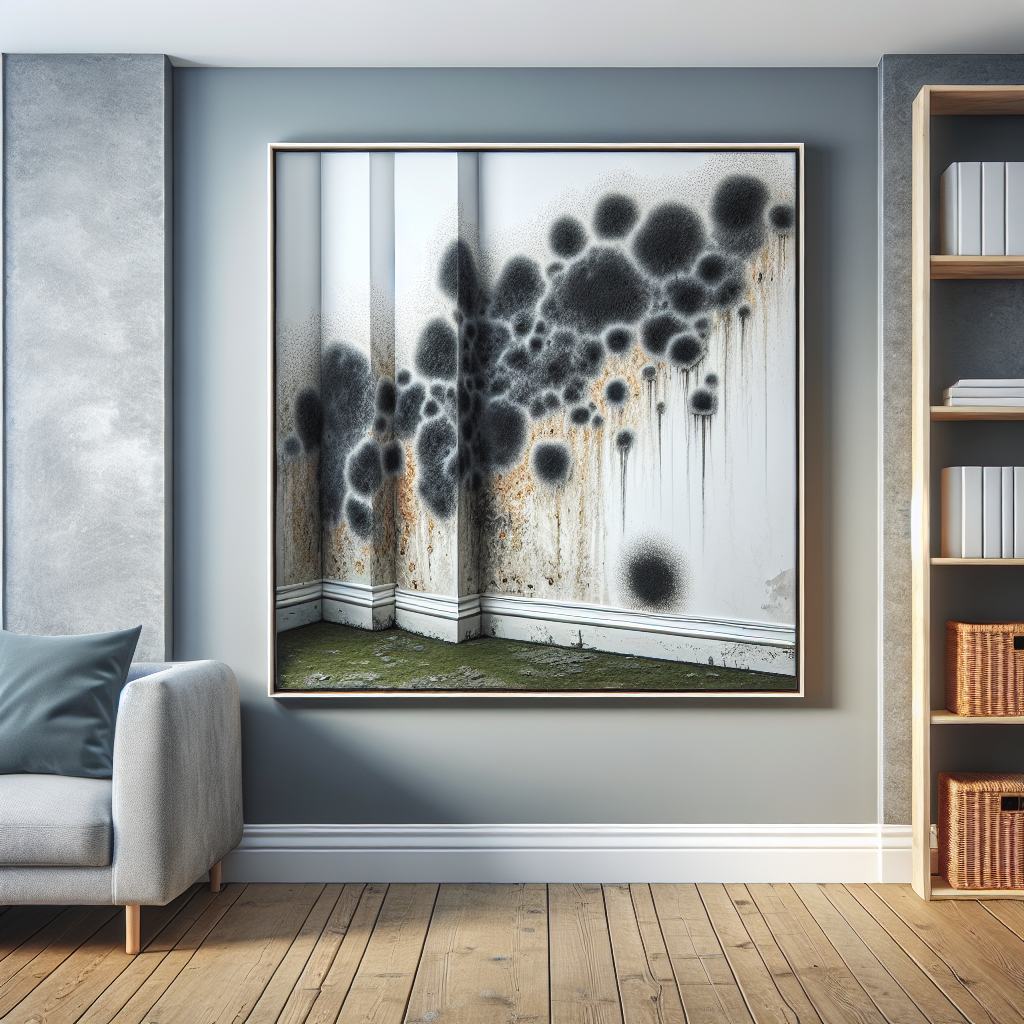
Every homeowner in areas like Nocatee dreads finding mold in their home. It’s an unwelcome surprise that can lead to costly repairs if not handled appropriately. Mold isn’t just an eyesore; it can also pose serious health risks to you and your family. Certain warning signs indicate that it’s time to seek professional mold removal and remediation services. Understanding the signs can save you a lot of time, stress, and money in the long run.
Understanding Mold: What You Should Know
Mold is a type of fungus that thrives in warm, moist environments. It reproduces by releasing tiny spores into the air, which can cause various health issues, particularly for individuals with allergies or respiratory conditions. There are many types of mold, with some being harmless while others can be toxic. Identifying mold and taking prompt action is crucial for maintaining a healthy living environment.
Signs of Visible Mold Growth
If you can see mold, you shouldn’t ignore it. While it might be tempting to just cover it up with paint or allow it to dry out, these are temporary fixes at best. Here are some clear signs that mold might be present in your home:
1. Dark Spots on Walls and Ceilings
Spotting dark spots is one of the most obvious indicators of mold. These spots can vary in color from black, green, or brown, depending on the type of mold. If you see these spots, it’s critical to act fast. No matter how minor the spots appear, they can signify larger issues lurking underneath.
2. Unpleasant Musty Odors
Mold has a distinctive smell. If you notice a persistent musty odor in your home, it’s an indication that mold may be hiding in walls, ceilings, or carpets. This scent is often a sign of moisture buildup, which promotes mold growth. If simple cleaning doesn’t help eliminate the smell, it’s time to consult professionals.
3. Health Symptoms
If you or your family members develop unexplained health issues—such as allergies, respiratory problems, headaches, or skin irritations—it could be due to mold exposure. If these symptoms worsen when you’re at home but improve when you leave, it’s a clear sign that mold might be a culprit. It’s essential to see a physician, but also to have a mold inspection to assess your home’s condition.
Signs of Water Damage
Mold growth is often associated with water damage. If you’ve experienced leaks or flooding, this significantly increases the risk of mold. Be vigilant for these signs:
1. Water Stains or Discoloration
Water stains on walls, ceilings, or even floors can indicate previous or ongoing moisture issues. They are telltale signs that your home may have experienced water damage, and unfortunately, mold is likely to follow.
2. Peeling Paint or Wallpaper
If you notice peeling or bubbling paint or wallpaper, it’s a sign of moisture accumulating beneath the surface. This moisture is a perfect breeding ground for mold growth. It may look like a minor cosmetic issue, but it could be a serious problem that needs professional attention.
3. Warped Flooring or Walls
When wood or flooring materials warp, it often indicates that they have absorbed moisture. This condition can lead to not just mold growth but also compromise the integrity of your home’s structure. If you see warped walls or floors, it’s time to have a professional inspection.
High Humidity Levels
High humidity can promote mold growth, even if there is no visible water damage. If your home has consistently high humidity levels, it may require intervention.
1. Condensation on Windows and Walls
If you notice condensation forming on your windows, mirrors, or walls, it’s a good indication that humidity levels in your home are too high. This moisture can lead to mold growth over time. Consider using dehumidifiers to keep humidity at bay.
2. A Humid or Damp Smell
Besides a musty odor, if your home feels damp to the touch or has a consistently humid atmosphere, it’s essential to monitor. A professional mold remediation team can analyze and mitigate these conditions effectively.
Recent Water Incidents
If your home has experienced flooding or a major plumbing issue, it can become a breeding ground for mold. Mold growth can start as quickly as 24-48 hours after an event. Here’s what to do:
1. Quick Reaction to Water Issues
If you’ve encountered leaks or flooding, it’s crucial to address these issues promptly. Quickly drying out materials can help. However, if the area is extensively water-damaged, mold remediation is required.
2. Hiring Professionals After Major Incidents
In cases of significant flooding or pervasive water issues, enlisting professional mold remediation services is vital. They bring expertise, tools, and skills necessary to remediate mold thoroughly.
DIY Versus Professional Mold Remediation
While minor mold patches can sometimes be tackled with DIY methods, significant mold problems often require professional help. Here’s why:
1. Safety Concerns
Mold remediation can involve hazardous materials, especially if it’s black mold. Professionals are trained to handle such situations safely. They are equipped with protective gear and appropriate cleaning agents to limit your exposure and keep you safe.
2. Long-term Solutions
DIY solutions often fail to address the root cause of mold; therefore, it can return. Professionals not only remove the visible mold but also examine underlying problems, such as leaks or humidity levels, ensuring a comprehensive solution to prevent future mold growth.
Conclusion
Mold is a serious issue that shouldn’t be taken lightly. Recognizing the signs early can save you from extensive damage and health problems. If you see any signs such as visible spots, persistent odors, or health issues, it’s essential to act quickly. Hiring professional mold remediation services can make a significant difference in protecting your home and family. Remember, prevention is always better than cure when it comes to mold!