
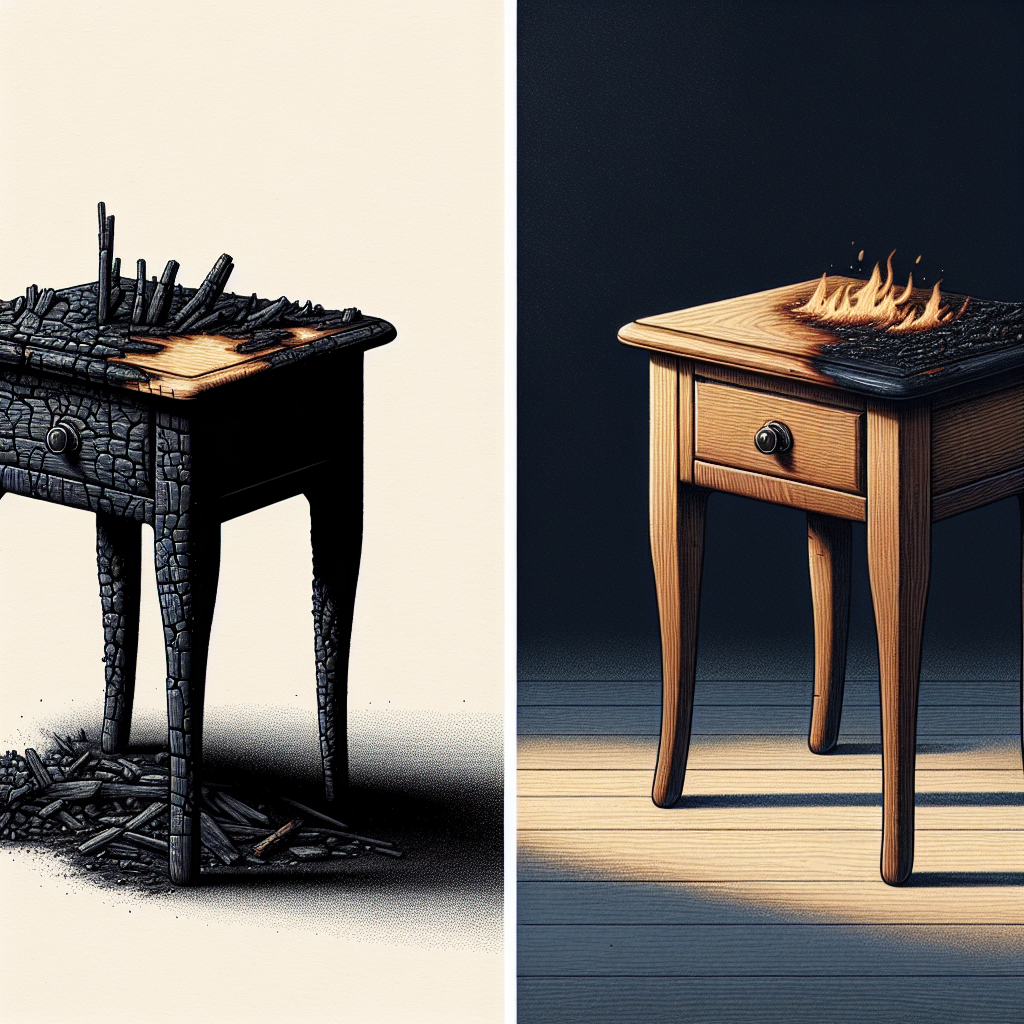
After a fire, the aftermath can be devastating, not just emotionally but also physically. Fire damage restoration is a critical process to help homeowners and business owners in Neptune beach reclaim their spaces and ensure safety. Understanding each step of this process is vital in mitigating damage and restoring your property efficiently. In this blog post, we’ll delve into the essential steps involved in fire damage restoration and smoke cleanup, providing you with a clear understanding of what to expect and how to handle a challenging situation.
Assessing the Damage
The very first step in fire damage restoration involves a thorough assessment of the affected area. This may seem straightforward, but every home or business presents unique challenges. Professionals often begin with a visual inspection. They look for charred materials, evaluate structural integrity, and identify areas that have suffered from smoke damage.
Evaluating Structural Safety
Before any restoration work begins, it’s essential to ensure that the building is structurally sound. Fire can weaken beams and walls, making some areas unsafe to enter. A professional inspector may use specialized equipment to assess hidden damages.
Identifying Smoke Damage
Smoke can invade areas that were not directly touched by flames. This subtle damage can lead to odors, discoloration, and even health risks if not handled properly. Restoration teams are trained to recognize signs of smoke damage and determine the extent of cleaning required.
Contacting Professionals
Once the damage has been assessed, it’s crucial to contact a certified fire damage restoration service. While some homeowners might consider handling minor repairs themselves, professional assistance is almost always necessary for safety and efficacy. Experts have the training and equipment necessary to manage complex fire damage restoration tasks effectively.
Choosing the Right Restoration Company
When selecting a restoration company, look for professionals with experience, good reviews, and proper certifications. A well-established company will often provide 24/7 emergency services, which is essential for immediate response. After a fire, every moment counts in preventing further damage, especially from water used in firefighting.
Water Damage Evaluation and Cleanup
Firefighting efforts often result in significant water damage. Water used to control the flames can lead to mold growth, further complicating the restoration process. Assessing this damage is just as important as addressing the fire damage itself.
Removing Wet Materials
Any soaked materials, such as carpets, furniture, and walls, need to be removed quickly. Professionals will often use specialized equipment to remove excess water and moisture from the air. Dehumidifiers and air movers are typically employed to dry out affected areas thoroughly.
Cleaning and Smoke Cleanup
Smoke cleanup is an integral part of the restoration process. After a fire, smoke particles can linger on surfaces and in the air, creating potential health hazards. Cleaning these residues is not a simple task, as it often requires deep cleaning methodologies and specific cleaning agents.
Different Types of Smoke Damage
Smoke damage doesn’t all look the same. There’s dry smoke, which is caused by fast-burning flames, and wet smoke from smoldering, cool fires. Each type requires different cleaning methods and approaches.
Professional Cleaning Techniques
Restoration professionals employ unique cleaning techniques tailored to the type of smoke damage present. These can include:
– Chemical smoke cleaning agents: Designed to break down smoke residues.
– Thermal fogging: This method helps to neutralize odors by using heat to disperse cleaning solutions.
– Ozone treatments: This process involves generating ozone gas to eliminate smoke odors.
Restoration and Reconstruction
Once the smoke cleanup has been completed, the process of restoration and reconstruction begins. This phase may involve repairs of walls, ceilings, and floors. Depending on the extent of the damage, some structures may need complete rebuilding.
Reconstructing Damaged Areas
It’s essential to work with skilled contractors to restore the home or commercial property to its pre-fire condition. This often includes:
– Drywall replacement: Damaged walls are replaced and refinished.
– Painting and staining: Ensures that surfaces match and look as good as new.
– Replacing flooring: Hardwood or carpet that has been too compromised will need to be replaced.
Preventing Future Fires
After experiencing a fire and going through the fire damage restoration process, prevention becomes a priority. Implementing safety measures can significantly reduce the chances of future household or business fires.
Installing Smoke Detectors
Ensure that smoke detectors are correctly installed and functioning throughout your property. Regularly check and replace batteries to maintain their efficacy.
Creating a Fire Escape Plan
It’s wise to have a fire escape plan established. This plan should include routes for safe evacuation and a designated meeting place for all family members or employees.
Emotional Recovery
In addition to the physical repairs, the emotional toll of a fire disaster cannot be overlooked. Many individuals experience trauma following such an incident, so emotional recovery is a significant part of the process. Seeking support through counseling or community resources can be incredibly beneficial.
Conclusion
Understanding the steps involved in fire damage restoration is crucial for anyone facing the aftermath of a fire. Each element is interconnected—from assessing damage and contacting professionals, to managing smoke cleanup and eventually restoring the property. By following these steps and taking preventative measures, you can help ensure a safe and healthy environment moving forward. For those affected, know that support is available through restoration services and community resources. Rebuilding after a fire is entirely possible, and with the right help, you can emerge from this ordeal stronger and more prepared for the future.