

A water damage event in a Jacksonville Beach home and a water damage event in a Riverside home are not the same restoration project. The coastal location adds salt-laden air, the proximity to brackish Intracoastal water changes flood risk, and the building materials face accelerated corrosion that inland properties never experience. Homeowners in Atlantic Beach, Neptune Beach, Ponte Vedra, and other coastal Northeast Florida communities deal with a different water damage profile than the rest of the metro, and the restoration approach has to account for that.
This post walks through the specific water damage risks coastal Northeast Florida homes face, why standard restoration approaches need adjustment, and what residents in beachside neighborhoods should know before and after a water event.
Coastal Florida homes face three water damage risks inland homes do not: salt-laden air that drives accelerated corrosion of metal building components, brackish water from storm surge or Intracoastal flooding that is always classified Category 3 under IICRC S500, and persistent humidity that keeps materials at elevated moisture content year-round. Restoration requires saltwater-specific decontamination protocols and corrosion-resistant material specifications that standard inland approaches do not include.
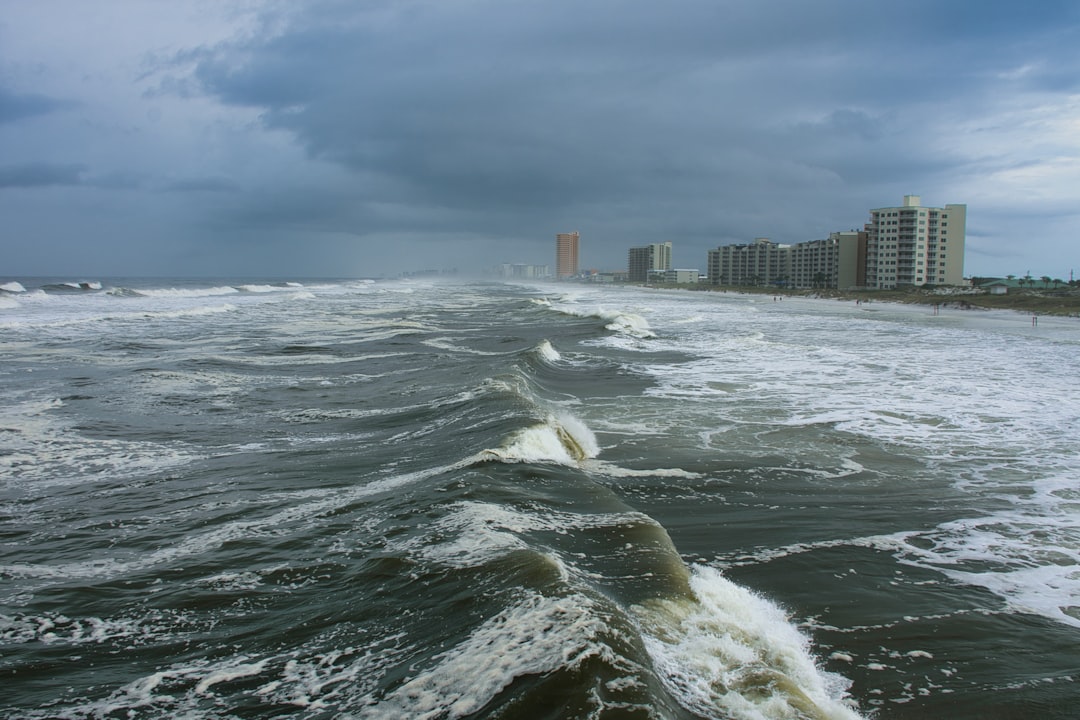
Coastal homes within roughly a mile of the Atlantic shoreline or the Intracoastal Waterway live in a salt-spray environment that affects materials whether or not a water event has occurred.
Salt is hygroscopic — it absorbs moisture from the air. Surfaces coated with even a thin layer of salt residue hold ambient humidity at much higher levels than uncontaminated surfaces. Metal components corrode faster. Wood substrate stays wetter. Electrical connections degrade over time. NOAA marine atmosphere data shows coastal Florida properties experience corrosion rates several times higher than inland properties at the same humidity.
When a coastal home suffers water damage on top of pre-existing salt accumulation, the moisture interacts with the salt to create a more aggressive corrosion environment than either factor alone. Restoration teams in Atlantic Beach and Neptune Beach see metal fasteners, electrical components, and HVAC equipment fail faster after water events than the same components in inland Jacksonville homes. The restoration scope often includes preemptive replacement of components that would have lasted years longer in a non-coastal location.
EPA materials guidance and ASTM corrosion data generally identify the first 30 miles inland from a saltwater coastline as the high-corrosion zone. Within roughly the first mile, the effects are pronounced enough that building specifications often call for stainless steel fasteners, marine-grade electrical components, and corrosion-resistant HVAC equipment. Restoration in this zone respects the same specifications.
For homes near the Intracoastal Waterway or in storm-surge-exposed areas, water events frequently involve brackish water — a mix of fresh and saltwater with elevated biological and chemical contamination.
IICRC S500 classifies any water that contains significant contamination as Category 3 — the “black water” classification. Brackish water from the Intracoastal carries: organic decomposition from marsh systems, sewage from any storm-disrupted treatment infrastructure, oil and chemical runoff from boats and adjacent commercial properties, and salt at concentrations corrosive to building materials.
Under IICRC S500, porous materials that contacted Category 3 water typically require removal rather than drying. Drywall, insulation, carpet, pad, sub-flooring in many cases — all come out. Hard surfaces are decontaminated with EPA-registered antimicrobials. Containment with negative air pressure prevents cross-contamination to unaffected areas. The cleanup is more invasive than Category 1 or 2 water damage and the scope is often larger than homeowners expect.
Standard Florida homeowners insurance generally does not cover storm surge or Intracoastal flooding. Coverage requires separate flood insurance through the NFIP or a private flood carrier. Coastal Jacksonville homeowners in mapped flood zones with federally-backed mortgages typically carry NFIP — homeowners just outside the zones often skip it and discover the gap after a storm.
Coastal Florida homes face year-round humidity loads that inland homes do not.
The Atlantic and the Intracoastal both feed moist air into coastal neighborhoods continuously. NOAA records show Jacksonville Beach and Atlantic Beach indoor conditions averaging higher relative humidity than inland reference points across most of the year. Even unaffected coastal homes drift closer to the 60% indoor humidity threshold EPA mold guidance flags as the activation point for mold growth.
After a water event in a coastal home, the baseline humidity is already higher than it would be in a comparable inland home. The dehumidification load to return materials to the IICRC dry standard is correspondingly greater. Restoration jobs in Atlantic Beach typically require larger or more dehumidification capacity than equivalent jobs in Mandarin or Southside.
Combined with the warm temperatures, the elevated humidity means mold pressure in coastal homes is essentially continuous. Crawl spaces, attics, and HVAC plenums in coastal Northeast Florida need more aggressive humidity control than inland equivalents. Water damage that goes inadequately remediated produces mold faster here than nearly anywhere else in the state.
Several aspects of the IICRC S500 approach get adapted for coastal conditions.
Materials that might be saved in an inland Category 2 job often require removal in a coastal Category 2 job because the salt-laden environment compromises their long-term recovery. Restoration teams err toward removal when salt exposure is part of the picture.
When materials are replaced, the specifications for coastal homes typically call for stainless steel fasteners, marine-grade electrical components where applicable, and finishes rated for high-corrosion environments. Reusing standard inland materials shortens the lifespan of the repair.
Coastal HVAC equipment and electrical components compromised by water events often need more comprehensive replacement than inland equivalents because pre-existing salt accumulation accelerates the deterioration. Restoration teams document the condition of these systems carefully for the insurance claim and recommend appropriate scope.
Higher baseline humidity, salt-affected materials, and elevated mold pressure all extend the drying timeline in coastal homes. A job that closes in 4-5 days inland may take 6-8 days at the coast for the same material loss.
Generally, yes — somewhat. The extended drying timelines, corrosion-resistant material specifications, and more invasive Category 3 cleanup protocols for brackish water all add to the cost compared to equivalent inland restoration. The premium varies but is typically 15-30% above inland equivalents for similar-scope losses.
No. Standard Florida homeowners insurance generally excludes storm surge, ground flooding, and Intracoastal flooding. Coverage requires separate flood insurance through the NFIP or a private flood carrier. Coastal Jacksonville homeowners should verify they carry appropriate flood coverage before hurricane season.
Visible indicators include rust streaks at fastener locations, paint blistering on metal components, corrosion at HVAC ductwork connections, and electrical receptacles or fixtures that have visible greenish copper oxidation. A home inspection by an inspector experienced with coastal Florida construction can identify hidden issues before a water event makes them critical.
Follow Duval County or St. Johns County evacuation orders for your zone. Coastal evacuation zones are mapped specifically because of surge risk. Even if you stay, document your home thoroughly before the storm, secure outdoor items, board up vulnerable openings, and have a restoration team contact ready for post-storm response.
Coastal mold remediation faces the same IICRC S520 standard but with elevated baseline humidity and salt-affected surfaces. The moisture-source remediation step often includes addressing salt accumulation on cool surfaces because salt’s hygroscopic properties sustain humidity even after the original water event is resolved. Standard mold cleaning without addressing the salt issue typically allows the colony to return.
Living near the Atlantic or the Intracoastal in Jacksonville means accepting a different water damage risk profile than inland residents. Salt air corrodes building materials continuously. Brackish water from any flooding event triggers Category 3 cleanup protocols. Year-round humidity keeps mold pressure elevated. Restoration in coastal homes has to account for all three.
Rainbow Restoration of Deerwood handles coastal water damage across Atlantic Beach and the rest of the Beaches communities, along with Southside and St. Johns County areas like St. Augustine. Our water damage restoration team operates under IICRC S500 with coastal-adjusted protocols — extended drying timelines, corrosion-resistant material specifications, and Category 3 cleanup for any brackish water exposure. When mold has already established from prior coastal moisture issues, our mold remediation team integrates the IICRC S520 work into the same project.
The coast is not just a location. It is a category of restoration problem. Knowing that before you need help makes the response faster when it’s needed.