

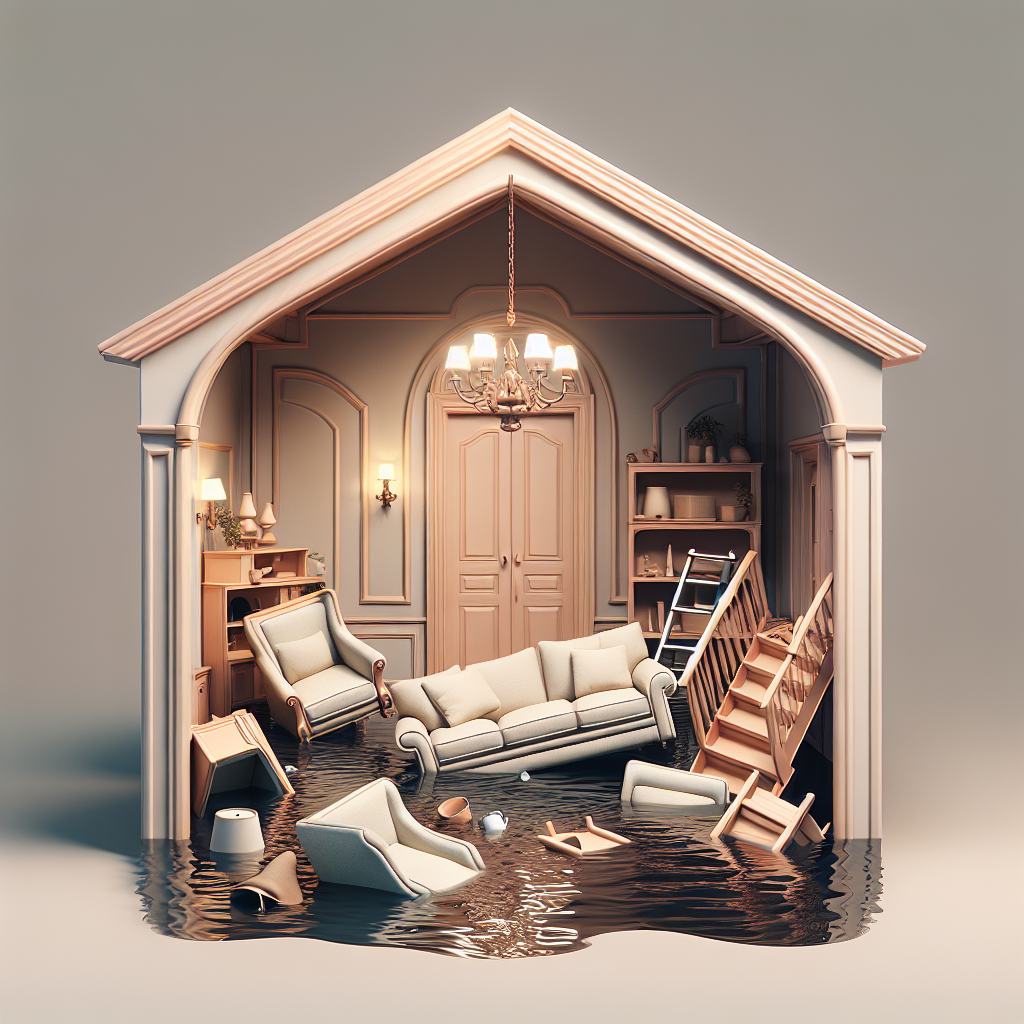
Water damage can strike unexpectedly, leaving a trail of destruction in its wake. In Nocatee, whether due to a plumbing failure, flood, or storm, the impact can be devastating. It’s critical to act swiftly and effectively to mitigate potential losses. Knowing the necessary emergency steps to take after water damage can make all the difference. This article will guide you through essential actions you should take, along with expert water damage tips and emergency water removal tactics.
Assess the Situation Immediately
First and foremost, you need to assess the extent of the water damage. Take a breath and look around. Is there standing water? Where is the source of the water? Look for areas of damage on walls, ceilings, and floors. Check appliances and electronics for any signs of water infiltration. The sooner you understand how extensive the damage is, the better prepared you’ll be to tackle the situation.
Identify the Source
Before you can start the cleanup process, it’s crucial to identify the source of the water. If it’s a burst pipe, turn off the main water supply immediately. If your home is flooded due to heavy rainfall, it’s best to move to higher ground and call professionals. Also, make sure to turn off the power supply if it’s safe to do so. Safety is your top priority during this phase.
Begin Emergency Water Removal
Once you’ve made the area safe and assessed the damage, the next step is emergency water removal. This process is essential to preventing further damage and mold growth.
Use Pumps or Wet/Dry Vacuums
For standing water, a submersible pump can be incredibly effective. If the water level is low, a wet/dry vacuum may suffice. These tools allow you to remove large quantities of water quickly. Ensure you are wearing proper safety gear, such as boots and gloves, to protect yourself from contaminants.
Soak Up Excess Water
After you’ve removed the bulk of the water, it’s time to soak up any remaining moisture. Use towels, rags, or mops to soak up water from floors and surfaces. Pay special attention to carpets and upholstery, as they can retain moisture easily.
Dry Out Your Home
Once you’ve managed to remove the standing water, the next critical step is drying out your home thoroughly. Failing to do so can lead to mold growth and even structural damage.
Ventilate the Area
Open windows and doors to allow fresh air to circulate. This helps speed up the drying process. If it’s safe enough to do so, turn on fans to increase air circulation. Remember that airflow will be your ally in preventing mold—the sooner the better.
Use Dehumidifiers
A dehumidifier can be extremely helpful in extracting moisture from the air. Position it in the most affected areas to maximize its efficiency. Aim to maintain an indoor humidity level below 40%.
Check for Mold and Mildew
As you go through the drying process, keep a close eye on any signs of mold, which loves damp and dark areas. Mold can begin to develop within 24 to 48 hours after water exposure. Conduct regular inspections.
Handle Mold Carefully
If you find mold, it’s essential to handle it with care. Use a mixture of water and detergent to scrub affected surfaces. For extensive mold infestations, consider contacting professionals who specialize in mold remediation. Remember, your health is paramount.
Document the Damage
While you’re managing the water damage, don’t forget to document everything. Take photos and videos of the damage for insurance purposes. This evidence will support your claim and can expedite the recovery process.
Contact Your Insurance Provider
Once you’ve documented the damage, reach out to your insurance provider. They’ll guide you through the claims process, so you’re not left to deal with the financial burden alone.
Consider Professional Help
Depending on the severity of the damage, it may be wise to consider professional help. Restoration companies specialize in water damage recovery, bringing expertise and equipment that can speed up the process.
Why Go Professional?
Professionals have the tools and experience necessary to deal with severe water damage quickly and effectively. They can also help with mold remediation and structural repairs, giving you peace of mind.
Talk to a Restoration Service
If the situation is beyond your control, contact a local restoration service as soon as possible. They can assist with cleaning, drying, and restoring your property to its original state. Make sure to choose a reputable company with good reviews; it can make a significant difference in the recovery process.
Learn from the Experience
Once the cleanup is complete, take the time to evaluate what happened. Could it have been prevented? Consider whether your home has adequate drainage, and if plumbing is properly maintained. Learning from your experience will help you prevent future incidents.
Invest in Water Damage Prevention
Finally, invest in preventive measures. This could include installing sump pumps, maintaining your plumbing, and upgrading your flood barriers if you’re in a flood-prone area. Remember, an ounce of prevention is worth a pound of cure.
Water damage can be an overwhelming experience, but knowing the emergency steps to take can greatly lessen the stress and damage. From assessing the situation to professional recovery options, each action plays a vital role. Remember to stay calm, act quickly, and most importantly, prioritize your safety and that of your family.