

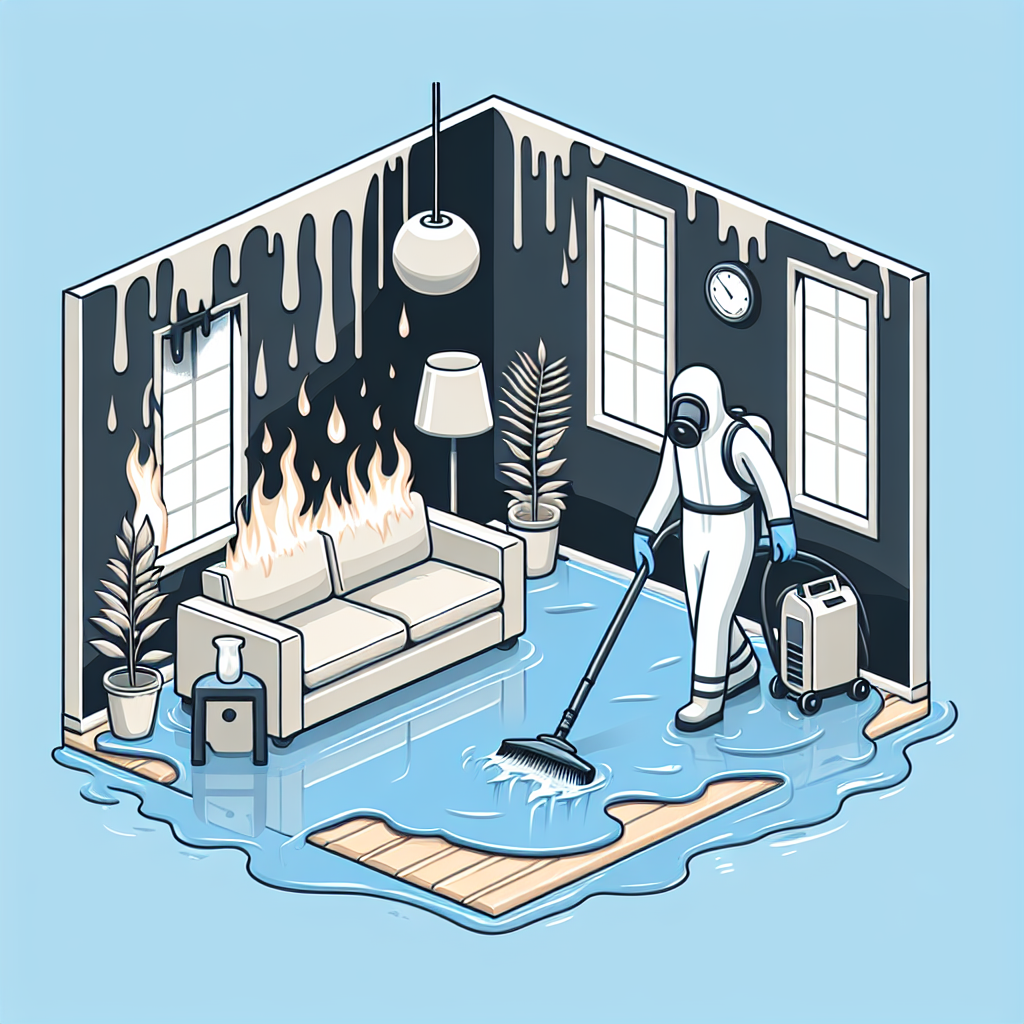
Water damage can be devastating for any homeowner in areas like Nocatee. In addition to the destruction of personal belongings and structural damage to the home, one of the less visible, yet equally troublesome issues comes in the form of persistent odors. These odors may linger long after the water has receded, creating an uncomfortable living environment and potentially affecting your health. Understanding the common odors that can arise after water damage and knowing how to address them is key to restoring your home and ensuring a safe atmosphere for you and your family.
Understanding Common Water Damage Odors
When water infiltrates your home, it can bring along a host of issues, including undesirable smells. Understanding the origins of these odors can aid in their removal. Here are some typical odors homeowners may encounter following water damage:
Mold and Mildew
One of the most common odors associated with water damage is the musty smell of mold and mildew. When damp environments are present, mold spores begin to grow, often within 24 to 48 hours after water exposure. This can lead to a musty smell that is difficult to ignore. Mold can grow on various surfaces, including wood, carpets, drywall, and furniture. The key here is to act quickly. If you notice a musty odor, it’s likely that mold is present and needs immediate attention.
Stagnant Water Odors
If the water damage was caused by a leak or flood, stagnant water can produce foul odors. This often happens when water pools in areas where it shouldn’t, such as basements or behind walls. The smell from stagnant water can be different based on the origin—dirty water can smell like sewage, while clean water from a burst pipe might have a different scent altogether. Regardless, it is essential to dry out any stagnant water to prevent further issues.
Wet Carpet and Padding
Wet carpets and padding are major contributors to unpleasant odors after water damage. Fibers absorb moisture, creating an environment conducive to mold growth and bacteria. Even if you dry your carpets, the padding underneath may remain damp, allowing odors to linger. This is particularly prevalent in areas where water has been sitting for an extended period.
How to Eliminate Water Damage Odors
Eliminating odors from water damage involves identifying the source and taking appropriate remedial actions. Here are some effective methods to help remove these unpleasant smells from your home:
Assess the Damage
Before taking action, conduct a thorough assessment of the affected areas. Check for visible signs of water damage and mold growth. Use moisture meters if necessary to identify damp spots behind walls or under flooring. Knowing the extent of the damage is crucial for effective odor removal.
Dry the Area
The first step in odor removal is to dry the impacted area. Use fans, dehumidifiers, and open windows to increase airflow. If feasible, remove wet carpet and padding. In the case of severe flooding, it might be best to hire a professional restoration service. Speed is of the essence; the longer you wait, the worse the odors can become.
Clean with Vinegar
Vinegar is a natural deodorizer and can be particularly useful for removing smells associated with mold and mildew. Mix equal parts of water and vinegar in a spray bottle and apply it to affected areas. Allow it to penetrate for about an hour before wiping down surfaces. The vinegar may leave a lingering smell initially, but it will dissipate and remove unwanted odors.
Use Baking Soda
Baking soda is another excellent option for odor removal. It’s a natural odor absorber and can help neutralize various smells. Sprinkle it generously over carpets and upholstery, let it sit overnight, then vacuum it up. This can significantly reduce odors caused by wet materials.
Consider Professional Cleaning
If odors persist after initial attempts to eliminate them, consider professional cleaning services. Revival of heavily affected carpets and other materials can require specialized cleaning techniques, including steam cleaning. Professionals have access to advanced tools specifically designed to target water damage odors.
Maintain Good Ventilation
After dealing with odors, maintain proper ventilation in your home to prevent future issues. Regularly check for leaks, use exhaust fans in moisture-prone areas like bathrooms and kitchens, and ensure that your home stays dry. Good ventilation will help prevent the growth of mold and mildew and keep your home smelling fresh.
Preventing Future Odors After Water Damage
Once you’ve tackled the immediate issues of water odors, it’s crucial to implement strategies to prevent future occurrences. Here are some tips to help minimize potential water damage odors down the road:
Routine Inspections
Conduct routine inspections of your home, especially in areas prone to moisture. Check basements, attics, and behind appliances to ensure leaks or dampness do not develop.
Use Water-Resistant Materials
In areas where water damage is a high risk, consider using water-resistant materials. Special paints, flooring, and wallboards are designed to resist moisture and can be effective in preventing mold growth and the subsequent odors that accompany it.
Install Proper Drainage
Ensuring your property has good drainage can help eliminate standing water issues. Gutters, downspouts, and grading around the home should direct water away from your foundation to prevent flooding and dampness.
Employ Dehumidifiers
Using dehumidifiers in damp areas can keep moisture levels in check. This is especially important in basements and after any water-related incidents. Keeping humidity between 30-50% can inhibit mold growth significantly.
Conclusion
Understanding and addressing common odors after water damage is essential for any homeowner looking to restore their living environment. Being proactive and taking rapid measures can help you maintain a clean, odor-free home. Keeping your space dry and well-ventilated, alongside regular inspections, can save you the headache of odors in the future. If ever in doubt, don’t hesitate to reach out to professionals who can provide guidance and assistance. Your home should be a sanctuary, free from odor and full of comfort.